Understanding One Stop PCB Assembly
In the rapidly evolving landscape of electronics manufacturing, efficiency, accuracy, and speed are paramount. As businesses strive to bring their products to market quicker and more cost-effectively, the concept of one stop PCB assembly has gained significant traction. This approach streamlines the entire process of printed circuit board (PCB) manufacturing and assembly into a single service, allowing companies to focus on their core competencies while outsourcing the complexities of PCB production. But what exactly does one stop PCB assembly entail, and how does it differ from traditional methods? Let’s explore these questions in detail.
What is One Stop PCB Assembly?
One stop PCB assembly refers to an all-in-one service that manages the entire lifecycle of a PCB project—from design to manufacturing, assembly, and testing. This service typically includes:
- Design and prototyping
- Component sourcing and procurement
- PCB fabrication
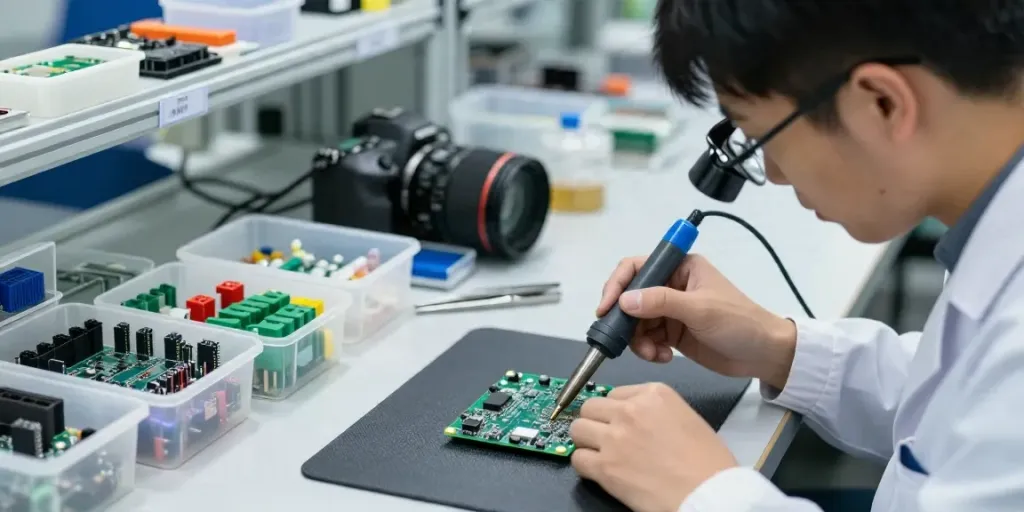
- Assembly, including surface mount technology (SMT) and through-hole assembly
- Testing and quality assurance
Companies that offer one stop PCB assembly take responsibility for the entire production process, which minimizes the need for multiple suppliers and reduces the chances of communication errors. By consolidating these processes under one roof, manufacturers can ensure better quality control and faster turnaround times.
Key Benefits of One Stop PCB Assembly Services
The advantages of opting for a one stop PCB assembly service are manifold:
- Cost Efficiency: Reducing the number of suppliers translates to lower costs associated with logistics and operations.
- Simplified Communication: Working with a single provider streamlines communication, reducing misunderstandings and delays.
- Faster Time-to-Market: With all processes integrated, the overall lead time from design to production is significantly shortened.
- Quality Control: A single entity overseeing the entire process can maintain higher standards of quality and consistency.
These benefits make one stop PCB assembly particularly appealing to startups and small businesses that may lack the resources to manage complex supply chains.
Components Involved in the Assembly Process
The assembly process in a one stop PCB service typically involves several critical components:
- Design Files: The assembly process begins with reviewing the PCB design files, typically in Gerber format, to ensure manufacturability.
- Bill of Materials (BOM): A detailed BOM outlines all the components required for the assembly, facilitating efficient sourcing.
- Fabrication: The physical creation of the PCB from various materials like FR-4, CEM-1, and aluminum.
- Component Placement: Automated machines place components on the PCB based on the designated design.
- Soldering: Techniques like reflow soldering or wave soldering are employed to create strong electrical connections.
- Testing: Functional and quality testing ensures the assembled PCBs meet the required specifications.
Comparing Traditional vs. One Stop PCB Assembly
Understanding the differences between traditional PCB assembly methods and one stop services is crucial for businesses seeking to optimize their production processes.
The Challenges of Traditional PCB Assembly
Traditional PCB assembly often involves multiple vendors, leading to several challenges such as:
- Increased Lead Times: Coordinating between various suppliers can significantly delay project timelines.
- Higher Costs: Managing several suppliers incurs higher logistics and management costs.
- Communication Gaps: Miscommunications between different parties can lead to errors in production, affecting overall quality.
Advantages of a Streamlined Assembly Process
The streamlined process of one stop PCB assembly addresses many traditional challenges, such as:
- Single Point of Responsibility: One vendor is accountable for all aspects of the project, which simplifies oversight.
- Integrated Supply Chain: A unified supply chain helps prevent delays and maintain quality control.
- Faster Prototyping: Rapid turnaround times for prototypes and adjustments to designs can be achieved more effectively.
Cost-Effectiveness of One Stop PCB Assembly
In the long run, one stop PCB assembly can lead to significant cost savings. By eliminating intermediate suppliers, companies can reduce the total cost of ownership. Additionally, the efficiencies gained from integrated workflows contribute to lower production costs, making it an attractive option for businesses of all sizes.
Best Practices for Efficient PCB Assembly
To maximize the benefits of one stop PCB assembly, it’s essential to adhere to best practices throughout the production process.
Quality Control Throughout the Assembly Process
Maintaining quality control is crucial in PCB assembly. Here are some best practices to ensure high-quality outcomes:
- Regular Inspections: Conduct regular inspections at different stages of the assembly process to catch defects early.
- Testing: Use automated testing systems to validate the functionality of assembled PCBs.