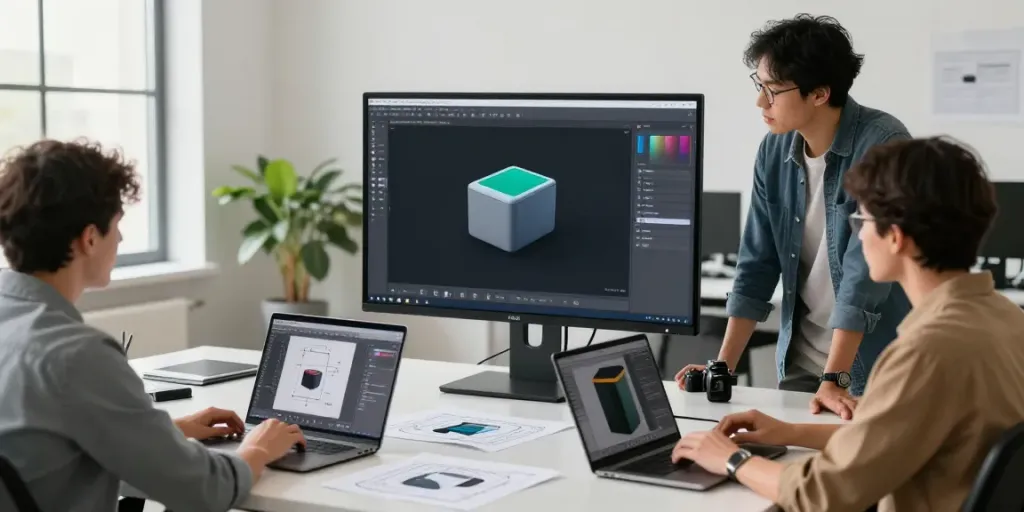
Understanding 3D Product Configurator Software
In a world where customization is king, 3D product configurator software has emerged as an essential tool for both manufacturers and consumers. This software enables businesses to present complex products in an engaging way, allowing customers to personalize features, dimensions, and finishes. By employing this innovative technology, companies can bridge the gap between product offerings and customer expectations, leading to enhanced satisfaction and streamlined sales processes.
What is 3D Product Configurator Software?
3D product configurator software is an interactive tool that allows users to visualize and customize products in real time. It caters to a myriad of industries, from home improvement to automotive, offering a user-friendly interface that simplifies the decision-making process. When customers can see and manipulate their product choices in 3D, they are more likely to engage deeply with the brand, which can lead to increased sales conversion rates.
Key Features of Effective Configurators
- Real-Time Visualization: Users can view changes as they make selections, providing immediate feedback on their choices.
- Customization Options: Allows users to choose dimensions, materials, colors, and finishes, fostering a sense of ownership.
- User-Friendly Interface: An intuitive design that caters to both tech-savvy and novice users.
- Integration Capabilities: The ability to seamlessly integrate with other business systems like CRM and ERP software.
Benefits of Using Configurator Software in Design
Companies adopting 3D product configurator software experience a range of benefits:
- Reduced Sales Friction: Simplifying the purchasing process by eliminating confusion about product specifications.
- Increased Customer Satisfaction: Enhanced ability to meet individual needs leads to a more satisfying shopping experience.
- Improved Communication: Reduces misunderstandings between sales teams and customers regarding product expectations.
- Streamlined Sales Processes: Accelerates the design to proposal conversion phase, saving time and resources.
How 3D Product Configurators Enhance Customer Experience
Understanding the customer journey is crucial in today’s market. 3D product configurator software enhances this journey by providing an interactive experience that resonates with buyers.
Visualizing Complex Products with Ease
The complexity of many modern products can deter customers from making a purchase. 3D configurators simplify this challenge by allowing customers to visualize how the product will look and function in their space, providing a clear representation of dimensions and aesthetics.
Reducing Sales Friction for Buyers
Sales friction often arises from uncertainty and lack of clarity in product offerings. By leveraging 3D configurator software, companies can provide detailed visual representations and straightforward customization options that alleviate confusion and encourage purchase decisions.
Case Studies: Success Stories in Customer Engagement
Numerous companies have reported increased sales and improved customer engagement by utilizing 3D product configurators. For instance, a leading outdoor furniture retailer observed a 30% increase in sales after integrating a 3D configurator. Customers appreciated the ability to customize products to fit their outdoor spaces, leading to more informed purchases and fewer returns.
Implementing 3D Product Configurator Software in Your Business
Integrating 3D product configurator software into your existing structure requires strategic planning and execution to maximize benefits.
Choosing the Right 3D Configurator for Your Needs
When selecting a configurator, consider the specific needs of your business and customers. Evaluate options based on features, integration capabilities, and user experience. It’s crucial to select a solution that aligns with your business goals and enhances the customer experience.
Integrating Configurator Software into Your Sales Process
For a successful integration, ensure that the configurator can seamlessly connect with your existing sales and CRM tools. This integration will help create a unified customer experience, from product selection to order fulfillment.
Training Your Team for Effective Use
Once the software is in place, training is essential. Equip your sales team with the necessary knowledge and tools to use the configurator efficiently. Regular training sessions can help keep the team updated on new features and best practices.
Best Practices for Maximizing the Impact of Configurator Software
To fully harness the capabilities of 3D product configurators, businesses must follow best practices that enhance usability and customer satisfaction.
Designing User-Friendly Interfaces
The interface should be intuitive and easy to navigate. Incorporate user feedback to make iterative improvements, ensuring that the customer journey is as smooth as possible. Consider including tutorials or guides to help users navigate the configurator.
Ensuring Accurate Product Representation
Accurate and high-quality 3D models are crucial for customer trust. Invest in professional 3D rendering to ensure that your products are presented realistically. This investment can significantly impact customer perception and purchasing decisions.
Gathering and Implementing User Feedback
Encourage users to provide feedback on their experience with the configurator. Analyze this feedback to identify areas for improvement, and implement changes that enhance functionality and user experience. This ongoing process will help you stay ahead of customer expectations.
Future Trends in 3D Product Configurator Software for 2026
The landscape of product configuration is continuously evolving, driven by advancements in technology and shifting customer preferences.
Emerging Technologies in Visualization and Customization
As augmented reality (AR) and virtual reality (VR) technologies advance, they will likely become integral to 3D configurators, providing even more immersive customer experiences. Customers can visualize products within their own environments, significantly enhancing confidence in their choices.
Predicting Customer Expectations in the Digital Era
With a growing emphasis on personalization, customers will expect even greater customization options. Businesses will need to adapt their configurators to meet these demands, providing flexible solutions that cater to individual preferences.
Preparing for the Next Generation of Configurator Software
To stay competitive, companies must be proactive in adopting new technologies and methodologies in their configurators. This includes employing machine learning for personalized recommendations based on customer behavior and preferences.
What is the best product configurator software?
Identifying the best product configurator software depends on specific business needs, but factors like usability, integration capabilities, and customer support should guide your selection.
How do 3D configurators reduce sales friction?
3D configurators streamline the decision-making process by providing clear, interactive representations of products, allowing customers to visualize options without confusion.
What industries benefit most from 3D product configurators?
Industries such as furniture, automotive, and manufacturing see significant benefits from 3D product configurators due to the complex nature of their products.
How can I integrate configurator software into my website?
Integration can be achieved through API connections or embedding the configurator directly into your website. Collaborate with your IT team to ensure a smooth integration process.
What are the future trends for 3D product configurators?
Future trends will likely include increased use of AR and VR technologies, as well as enhanced personalization features driven by AI, shaping how customers interact with online products.