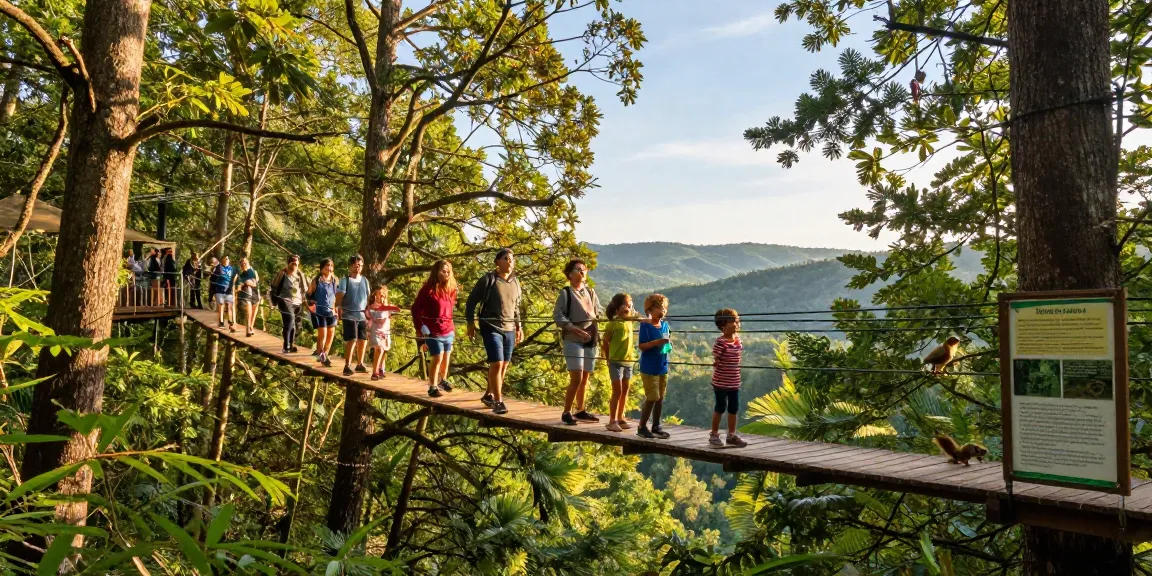
Understanding the Treetop Walkway Experience
Stepping into the world of a Treetop Walkway presents an exceptional opportunity for individuals and families alike to immerse themselves in nature from a unique vantage point. As we ascend above the forest floor, we become part of an intricate ecosystem, witnessing the beauty of the canopy where trees flourish and wildlife thrives. The bridge-like structures allow us to walk among the treetops, making this an exhilarating outdoor adventure. This article will explore various aspects of treetop walkways, from their beneficial impact on nature enthusiasts to the careful planning required for visiting these remarkable structures.
What is a Treetop Walkway?
A treetop walkway is an elevated pathway designed to provide pedestrians access to the forest canopy. These walkways vary in length and height, often integrating features such as suspended bridges and platforms for observation. Typically constructed from durable materials like timber and steel, these walkways ensure safety while allowing visitors to experience the thrill of walking high above the ground.
Key characteristics of a treetop walkway include:
- Height: Ranging from a few metres to over 70 feet above the ground.
- Length: Walkways can be several hundred metres long, winding through the treetops.
- Design: Many are designed to blend seamlessly into the environment, with minimal disruption to the surrounding landscape.
Benefits of Treetop Walkways for Nature Lovers
Treetop walkways offer numerous advantages for those seeking to connect with nature. Some of the primary benefits include:
- Unique Perspective: Walking at treetop level provides a one-of-a-kind view of the forest, allowing visitors to observe birds, insects, and other wildlife in their natural habitat.
- Educational Opportunities: Many walkways are designed to educate visitors about local ecosystems, featuring informative signage and interactive exhibits.
- Physical Activity: Engaging in such outdoor activities promotes a healthy lifestyle and allows individuals to enjoy exercise in a beautiful setting.
- Family-Friendly: Treetop walkways often cater to different age groups, making them an enjoyable destination for families.
Popular Treetop Walkway Locations Worldwide
Across the globe, several treetop walkways stand out for their breathtaking views and unique experiences. Some notable locations include:
- The Treetop Walk at Royal Botanic Gardens, Kew (UK): This iconic walkway takes visitors 18 meters into the canopy of trees, providing stunning views of the gardens.
- The Murch Canopy Walk (USA): Located in the Holden Arboretum, this 500-foot-long walkway offers a chance to walk 65 feet above the forest floor.
- Wild Walk at The Wild Center (USA): This interactive trail in the Adirondack region features various installations, including a spider web and a twig treehouse.
- The TreeTop Walk (Australia): Situated in the Valley of Giants, this walkway offers visitors a chance to experience towering trees and vibrant forest life.
Planning Your Visit to a Treetop Walkway
Best Time of Year to Experience Treetop Walkways
The ideal time to visit a treetop walkway often depends on its geographical location. Generally, spring and autumn are favoured due to milder weather conditions and stunning foliage. During these seasons, visitors can enjoy vibrant landscapes and pleasant temperatures, enhancing their walking experience. It’s crucial to check local weather forecasts to avoid rainy seasons that may hinder visibility and comfort.
Essential Items to Bring for Your Visit
When planning your outing, packing the right items can enhance your experience significantly. Consider including the following essentials:
- Comfortable Footwear: Sturdy shoes with good traction are recommended, particularly if the walkway includes any inclined sections.
- Water Bottle: Staying hydrated is essential, especially during warmer months.
- Camera: Capturing the beauty of the canopy and wildlife will create lasting memories.
- Sunscreen and Bug Spray: Protecting your skin from sunburn and insect bites will allow you to enjoy your visit without discomfort.
Accessibility Considerations for Treetop Walkways
When visiting treetop walkways, accessibility can vary significantly. Many modern walkways are designed with inclusivity in mind, featuring ramps and smooth pathways for those with mobility impairments. However, it is vital to research specific locations beforehand to ensure they meet individual needs. Check for amenities such as accessible restrooms and parking facilities as well.
Maximising Your Treetop Walkway Adventure
Photography Tips for Capturing the Experience
Photographing a treetop walkway can be immensely rewarding, as the views and natural light create stunning images. Here are some tips to enhance your photography:
- Golden Hour: Early morning or late afternoon light provides soft, warm tones that can elevate your photos.
- Varied Angles: Capture different perspectives, including wide shots of the walkway and close-ups of flora and fauna.
- Use a Tripod: A tripod can help stabilise your camera for clearer shots, especially in lower light conditions.
Engaging Activities Along the Walkway
Beyond simply walking, many treetop walkways offer engaging activities that enhance the experience, such as:
- Guided Tours: Consider joining a guided tour for insights into the local ecosystem and wildlife.
- Nature Trails: Many walkways feature connecting nature trails for extended exploration.
- Interactive Displays: Look for educational installations that provide information on the flora and fauna of the area.
Educational Opportunities in the Canopy
Treetop walkways often serve as educational resources, providing visitors with information about the environment. Look for:
- Informative Signage: Panels detailing tree species and local wildlife can enhance your understanding of the ecosystem.
- Workshops and Events: Many locations host events aimed at educating visitors about conservation and biodiversity.
Safety and Maintenance of Treetop Walkways
Common Safety Concerns and Precautions
Safety is paramount when navigating treetop walkways. Key considerations include:
- Weight Limits: Adhering to posted weight limits will ensure the structural integrity of the walkway.
- Stay on Designated Paths: Straying from marked paths can pose risks to both visitors and the surrounding ecosystem.
- Supervision for Children: Ensure children are supervised at all times to prevent accidents.
How Treetop Walkways are Maintained
Regular maintenance is critical to the longevity and safety of treetop walkways. Maintenance practices include:
- Routine Inspections: Conducting scheduled inspections helps identify wear and tear before they become hazardous.
- Tree Maintenance: Pruning and monitoring tree health ensures that no branches pose risks to visitors.
- Weather Resilience Assessments: Walkways are assessed for their ability to withstand local weather conditions and natural disasters.
Environmental Impact Assessments for Walkway Projects
Before construction, environmental impact assessments are crucial to ensure minimal disruption to the ecosystem. These assessments typically evaluate:
- Biodiversity: Understanding the local flora and fauna is essential to protect vulnerable species.
- Soil and Water Quality: Ensuring that construction does not harm surrounding natural resources is vital for conservation efforts.
- Community Input: Engaging local communities in the planning process helps address concerns and gather insights.
The Future of Treetop Walkways in 2026 and Beyond
Emerging Trends in Eco-Tourism
As eco-tourism continues to grow, treetop walkways are increasingly becoming a focal point. Future trends may include:
- Interactive Experiences: Technology may allow for augmented reality experiences that educate visitors about the ecosystem around them.
- Sustainability Initiatives: Walkway designs are likely to incorporate sustainable practices, such as using recycled materials and energy-efficient lighting.
- Community Engagement: Greater emphasis on involving local communities in tourism initiatives can enhance the visitor experience while benefitting the local economy.
Innovations in Treetop Walkway Design and Technology
Technological advancements will continue to influence the design of treetop walkways. Innovations may include:
- Smart Walkways: Incorporating sensors that monitor environmental conditions and visitor traffic.
- Flexible Design Elements: Adaptable structures that can change according to seasonal conditions or visitor preferences.
- Eco-Friendly Construction: Use of low-impact construction methods that minimize ecological footprints.
Predictions for Treetop Walkway Popularity
With rising awareness of environmental issues, the popularity of treetop walkways is expected to soar. Their ability to provide immersive nature experiences aligns with consumer preferences for sustainable tourism. As more visitors seek eco-friendly travel options, treetop walkways will likely continue attracting nature lovers and adventure seekers alike.
What are the best Treetop Walkways to visit?
Some of the most highly recommended treetop walkways include popular destinations such as the Treetop Walk at Kew Gardens in the UK, the Murch Canopy Walk in Ohio, and the Wild Walk at The Wild Center in New York. Each offers unique experiences tailored to different interests and accessibility needs, ensuring memorable visits for all.
What should I wear for a Treetop Walkway visit?
Comfort is key when visiting treetop walkways. Opt for breathable and moisture-wicking clothing, comfortable footwear, and be sure to dress in layers to accommodate varying temperatures.
Are Treetop Walkways safe for children?
Yes, most treetop walkways are designed with safety in mind and are suitable for children. However, it is important to supervise children and ensure they understand the rules of the walkway to prevent accidents.
Can I take my dog on a Treetop Walkway?
Pet policies vary by location. It is advisable to check in advance regarding the presence of pets on specific walkways, as some may prohibit dogs for safety or wildlife considerations.
How are Treetop Walkways built?
The construction of treetop walkways involves careful planning and engineering to ensure both safety and minimal environmental impact. This typically includes consulting with ecologists, using sustainable materials, and employing skilled contractors experienced in building elevated structures.