Understanding Double Glazed Windows
What are Double Glazed Windows?
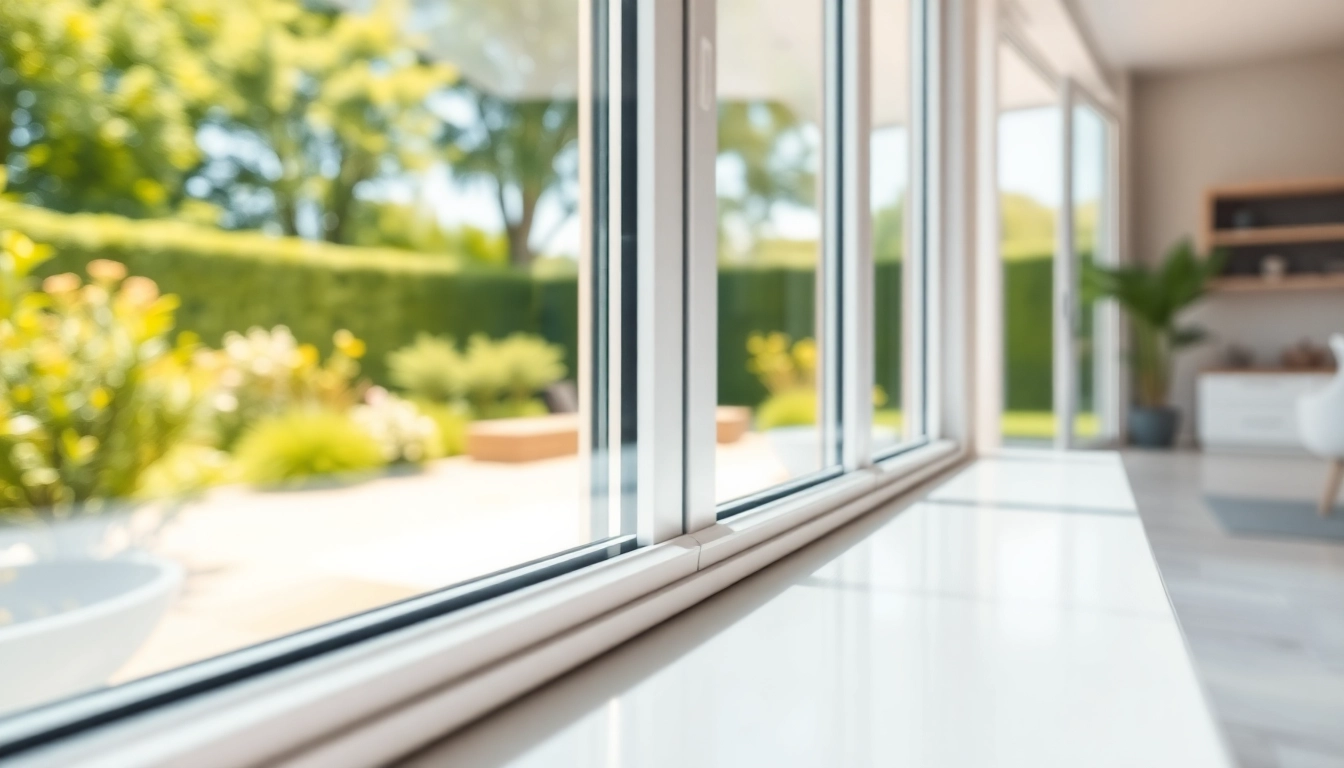
Double glazed windows, also known as insulated glazing, consist of two panes of glass separated by a space filled with gas or air. This design enhances thermal insulation and soundproofing, making them a popular choice for residential and commercial buildings alike. Unlike single-pane windows, double glazed windows provide superior energy efficiency, helping reduce heating and cooling costs in various climates. By creating an effective barrier against outside temperatures, double glazed windows contribute to more stable indoor temperatures.
How Do They Work?
The primary function of double glazed windows is to improve insulation by minimizing heat transfer. Between the two sheets of glass, a space (typically filled with argon or krypton gas) acts as an insulator, reducing the amount of heat that escapes from indoors during winter or enters during summer. Furthermore, the design also reduces sound transmission, making homes quieter and more comfortable. When considering how double glazing works, it’s essential to note its impressive energy-saving potential and how it enhances the building's overall thermal performance.
Common Materials Used
Materials used in the construction of double glazed windows can significantly impact their durability and thermal efficiency. Common materials include:
- uPVC: This material is popular due to its affordability, low maintenance requirements, and excellent insulation properties.
- Wood: While traditional, wooden frames require more maintenance; they provide excellent insulation and aesthetic appeal.
- Aluminum: Known for its strength and durability, modern thermal break designs enhance the insulation properties.
Choosing the right material depends on factors such as climate, building style, and budget.
Advantages of Double Glazed Windows
Energy Efficiency and Cost Savings
One of the most significant advantages of double glazed windows is their energy efficiency. The insulating properties of the two panes reduce the reliance on heating and cooling systems, leading to lower energy bills. Studies suggest that homes with properly installed double glazing can save up to 25% on their energy expenses annually. Additionally, many regions offer incentives or rebates for homeowners who install energy-efficient windows, further offsetting initial installation costs.
Noise Reduction Benefits
Double glazed windows are effective at reducing external noise, an essential consideration for homes located near busy streets, construction sites, or airports. The dual layers of glass, combined with the air gap, act as a barrier that significantly lowers sound transmission. This acoustic insulation can enhance the living environment, making it quieter and more pleasant. Many homeowners have reported substantial improvements in comfort after installing double glazing, particularly those previously exposed to high noise levels.
Enhanced Security Features
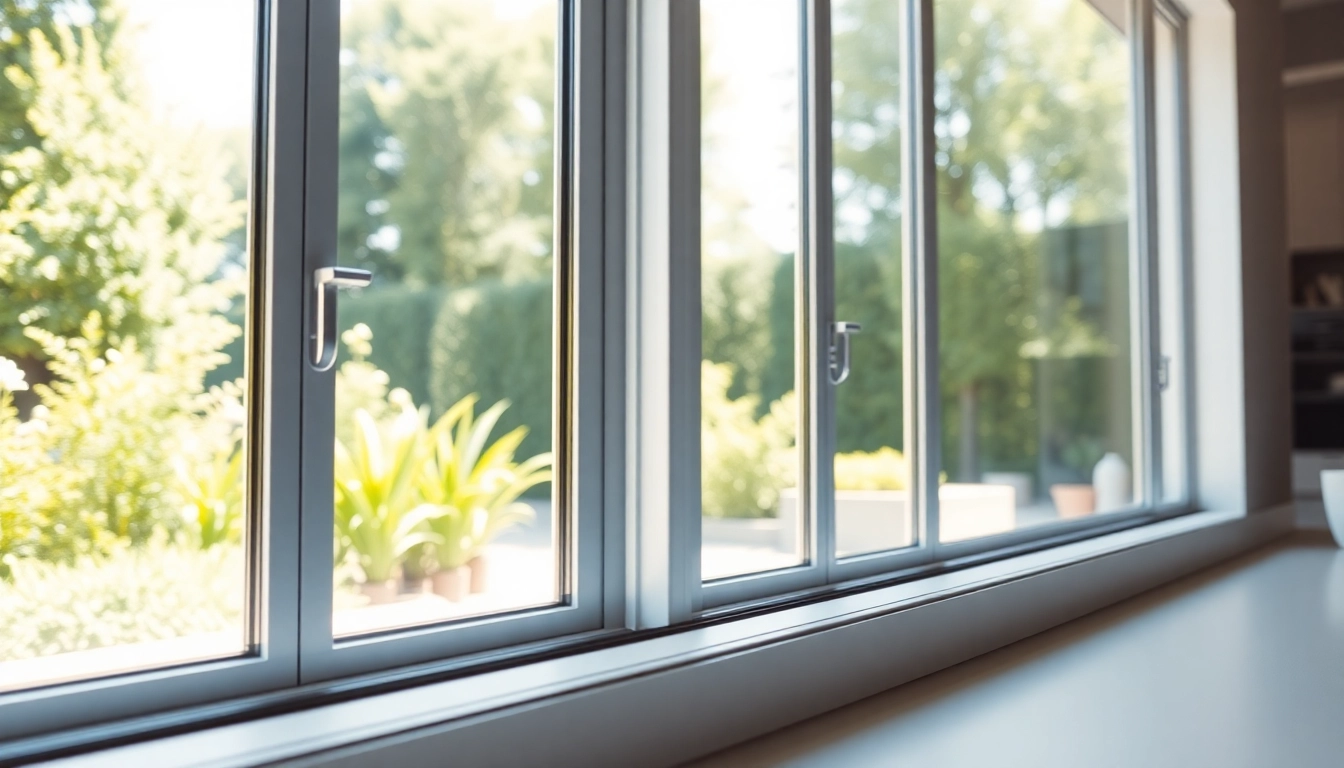
Double glazed windows are inherently more secure than single-pane options. The thicker glass and the presence of two panes make it far more difficult for intruders to break in. Additionally, many double glazing systems are fitted with advanced locking mechanisms, further enhancing security. Homeowners can breathe easier knowing that double glazed windows provide a secure barrier against break-ins, while also contributing to thermal comfort and sound insulation.
Disadvantages of Double Glazed Windows
Potential Heat Trapping
While double glazed windows are excellent insulators, they can trap heat in certain scenarios. During excessively warm weather, the insulation properties may cause indoor temperatures to rise, leading to discomfort. Homeowners might need additional cooling solutions, such as fans or air conditioning, to counteract this effect, especially in regions with extreme heat.
Initial Cost Considerations
Installing double glazed windows typically involves a higher initial investment compared to single-pane options. Many factors influence the price, including material, size, and installation complexity. However, while the upfront cost may be higher, the long-term energy savings often make double glazing a worthwhile investment. Homeowners should carefully consider their budget and the potential for energy savings over time when making this decision.
Repair Challenges
Another drawback is that double glazed windows can be more challenging to repair than traditional single panes. If one pane gets damaged, it may necessitate the replacement of the entire unit rather than just the single pane, leading to higher repair costs. Furthermore, issues such as condensation between the panes indicate a breakdown in the seal, which can also require professional intervention for resolution.
Choosing the Right Double Glazed Windows
Factors to Consider
When selecting double glazed windows, several factors must be considered to ensure optimal performance and satisfaction:
- Climate: The local climate greatly affects the choice of material and design.
- Building Style: Aesthetic considerations are essential for historical or unique architectural styles.
- Budget: Evaluating long-term savings versus initial costs can help in making an informed decision.
- Functionality: Consider whether you need operable windows or fixed units for your specific application.
Types of Double Glazed Options
Various styles of double glazed windows are available to suit different preferences and requirements. Common types include:
- Casement Windows: These windows open outward, allowing for maximum ventilation.
- Sash Windows: Traditional in design, they can add historic charm to a property.
- Sliding Windows: An excellent option for narrower spaces, they are easy to operate and maintain.
- Pitched Roof Windows: Ideal for loft conversions, they maximize light and ventilation.
Professional Installation vs. DIY
While DIY installation may be tempting for some homeowners, professional installation is often recommended for double glazed windows. Skilled installers can ensure proper fitting, seal integrity, and compliance with safety regulations. Additionally, many manufacturers provide warranties that may only be valid if installed by certified professionals. Homeowners should weigh these factors carefully when choosing between professional and DIY installation.
Frequently Asked Questions about Double Glazed Windows
What are the disadvantages of double glazed windows?
Double glazed windows can trap heat, may have higher initial costs, and are generally more challenging to repair than single-pane windows.
How much should a double glazed window cost?
The cost varies widely based on material, size, and installation complexity, typically ranging from hundreds to several thousand dollars.
What's the difference between double-pane and double-glazed windows?
Double-paned and double-glazed windows are the same; both refer to windows with two sheets of glass for enhanced insulation and energy efficiency.
Can double glazed windows reduce noise?
Yes, double glazed windows are effective at reducing noise due to the insulating properties of the two glass panes and the air space between them.
How long do double glazed windows last?
With proper maintenance, double glazed windows can last 20 years or more. The actual lifespan may depend on the materials used and the local environment.