Understanding Double Glazed Windows
What Are Double Glazed Windows?
Double glazed windows, also known as insulated glass units (IGUs), are windows that consist of two panes of glass separated by a space filled with air or gas. This design significantly enhances thermal insulation, reducing heat transfer between the interior and exterior of a building. The space between the glass panes helps to limit heat loss during colder months and control heat gain in warmer months. Considered a modern inclusion in energy-efficient housing, double glazed windows are now standard in new builds and renovations alike.
How Double Glazed Windows Work
The effectiveness of double glazed windows lies in their structure. Each pane of glass is typically around 4mm thick, creating a chamber that serves as an insulating barrier. This air or gas-filled barrier, often filled with argon or krypton, offers superior insulation compared to single-pane windows. The design minimizes thermal bridging, where heat loss occurs through the frame of the window, thus ensuring that your home remains warm during winter and cool in summer. Additionally, the dual panes also provide noise reduction benefits, making your indoor environment quieter.
Different Types of Double Glazed Windows
Several types and styles of double glazed windows cater to different aesthetic preferences and energy efficiency needs:
- Casement Windows: These are hinged at the side and open outward, providing maximum ventilation.
- Sash Windows: Commonly found in older homes, these windows slide vertically and can enhance the period character of a property.
- Bay and Bow Windows: These protrude from the exterior wall, creating a nook that provides additional interior space and increased natural light.
- Sliding Windows: Operate by sliding horizontally, making them a great choice for homes facing patios or decks.
- Fixed Windows: These are non-opening and serve primarily for light entry and aesthetic appeal.
Advantages of Choosing Double Glazed Windows
Energy Efficiency Benefits
Energy efficiency is one of the primary advantages of choosing double glazed windows. The insulating properties of the two panes work to minimize heat loss, helping homeowners maintain a stable indoor climate. Studies show that homes equipped with double glazing can reduce energy bills by up to 20%. Furthermore, this contributes toward a more sustainable living environment by lowering carbon footprints associated with heating and cooling systems.
Sound Insulation Advantages
In our increasingly noisy world, sound insulation is crucial for comfort in our homes. The thicker the glass and the larger the gap between the panes, the better the sound-proofing effect. Homeowners living near busy roads, airports, or urban centers often find that double glazed windows greatly reduce external noise, contributing to a tranquil living space. This benefit can enhance the quality of life and can even lead to improved productivity in work-from-home arrangements.
Enhanced Property Value
Investing in double glazed windows can enhance your property value significantly. Potential buyers view homes with energy-efficient features favorably, as they promise lower utility costs and a comfortable living environment. In many cases, this investment can lead to a return on investment (ROI) of 70% or more when it comes time to sell the house. Furthermore, double glazed windows often qualify for energy efficiency grants or tax incentives, making them a smart financial decision.
Installation Process for Double Glazed Windows
Preparing Your Home for Installation
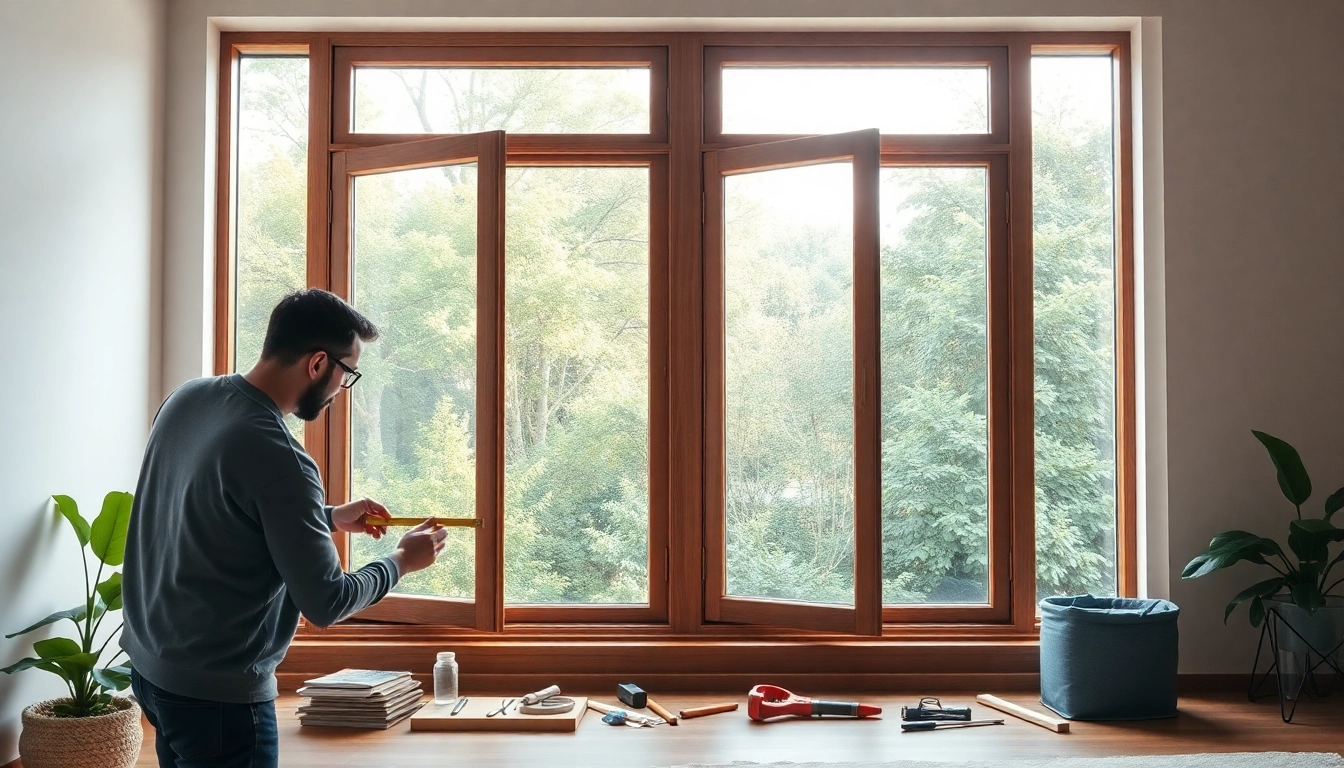
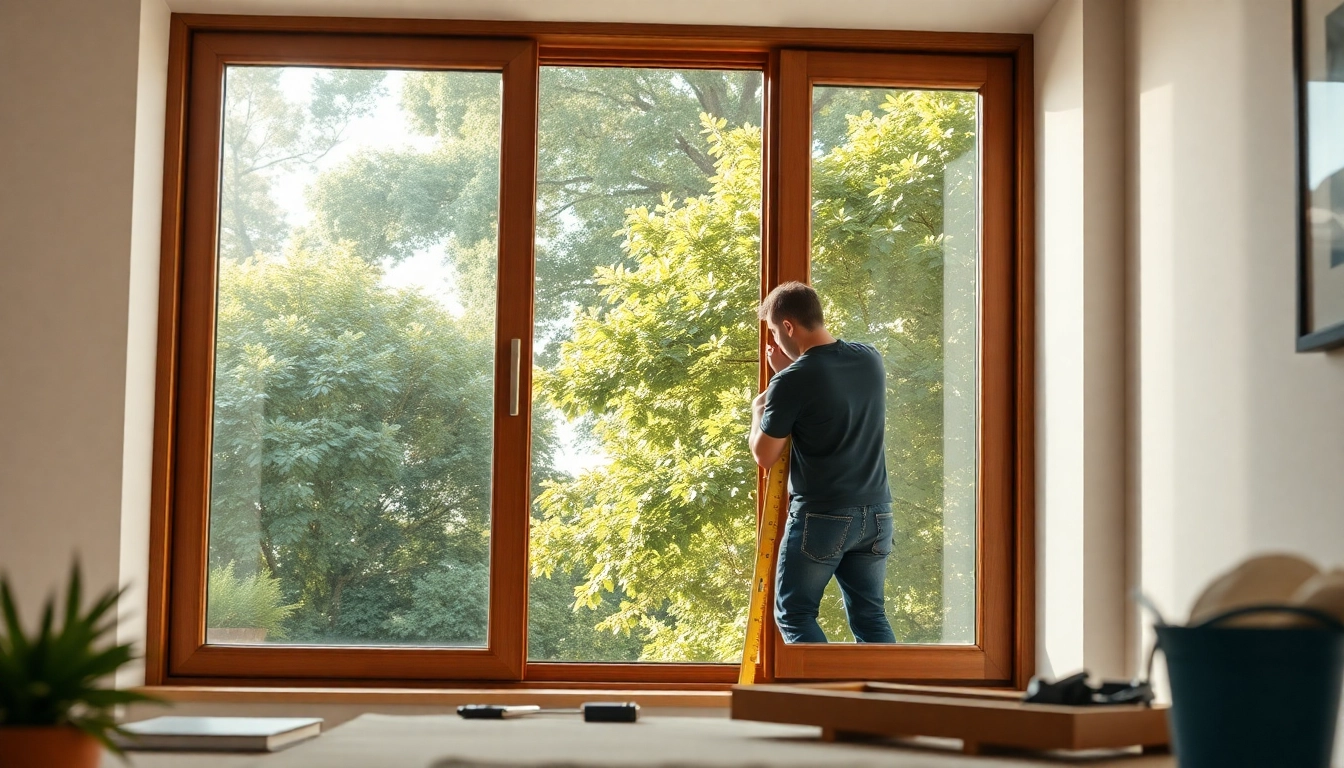
Preparation is key to ensuring a successful installation of double glazed windows. Begin by measuring existing window frames to determine the right size. It’s also vital to check for any damages or decay in the current window frames, which may require repairs before installation. Clear the area around the windows, removing anything that could obstruct access, such as furniture or curtains.
Steps to Install Double Glazed Windows
- Remove Existing Windows: Carefully uninstall the old window by loosening any nails or screws and pulling it out from the frame.
- Prepare the Frame: Clean the frame and repair any areas that may have decay or rot.
- Fit the New Frame: Place the double glazed window into the frame and secure it with shims, ensuring it is level.
- Seal the Gaps: Use a high-quality sealant around the edges to prevent air leakage and moisture ingress.
- Install Trim and Caulking: Finish the installation with trim around the window and caulk the seams for a seamless look.
Post-Installation Care Tips
Maintaining double glazed windows is essential for longevity and performance. Regularly check seals for signs of deterioration, clean the glass with a non-abrasive cleaner, and inspect the frames for any cracks or damage. Proper care not only enhances the aesthetics of your windows but sustains their insulating properties, ensuring they perform optimally throughout their lifespan.
Common Misconceptions about Double Glazed Windows
Addressing Myths and Facts
Despite their popularity, there are many misconceptions about double glazed windows. A common myth is that they are not suitable for all styles of homes; however, double glazing can be adapted for various architectural styles. Some believe the units are prone to condensation between the panes, but modern designs utilize advanced tech to minimize such occurrences. Finally, many assume that double glazed windows are too expensive; while the initial cost may be higher than single-glazed options, the energy savings typically outweigh the upfront investment over time.
Cost Considerations
The costs associated with double glazed windows can vary widely depending on several factors, including frame material, design complexity, and installation costs. Typical costs for standard uPVC double glazing range from £700 to £1,800. While the initial investment may seem substantial, the long-term savings in energy bills and increased property value provide a compelling argument for homeowners considering this upgrade.
Suitability for Different Home Styles
Double glazed windows can be manufactured to fit a variety of architectural styles, from traditional Victorian homes to modern apartments. Custom solutions are available that can mimic the aesthetics of original windows while providing the insulation benefits of double glazing. Architectural historians, designers, and homeowners can collaborate to ensure that double glazed installations complement the appearance of the home without compromising its historical integrity.
FAQs About Double Glazed Windows
What are the disadvantages of double glazed windows?
While they offer numerous benefits, double glazed windows can trap excess heat in warmer climates. They might not complement older architectural styles well, and repair options can be limited, usually requiring full replacement.
How much should a double glazed window cost?
Costs typically range from £700 to £1,800 for uPVC double glazing, depending on size and design. Though the upfront expense is higher, energy savings can make this an economically sound option.
What's the difference between double-pane and double glazed windows?
Double-paned windows have two layers of glass. Double glazing, however, refers to the insulating air gap between those panes, which significantly enhances energy efficiency.
How can double glazed windows improve energy efficiency?
They reduce heat loss significantly by minimizing air exchange between the indoors and outdoors, helping to maintain stable indoor temperatures and reduce reliance on heating systems.
Are double glazed windows more secure?
Yes, the added thickness and integrity of double glazed windows enhance security, making break-ins more difficult compared to standard single-pane windows.