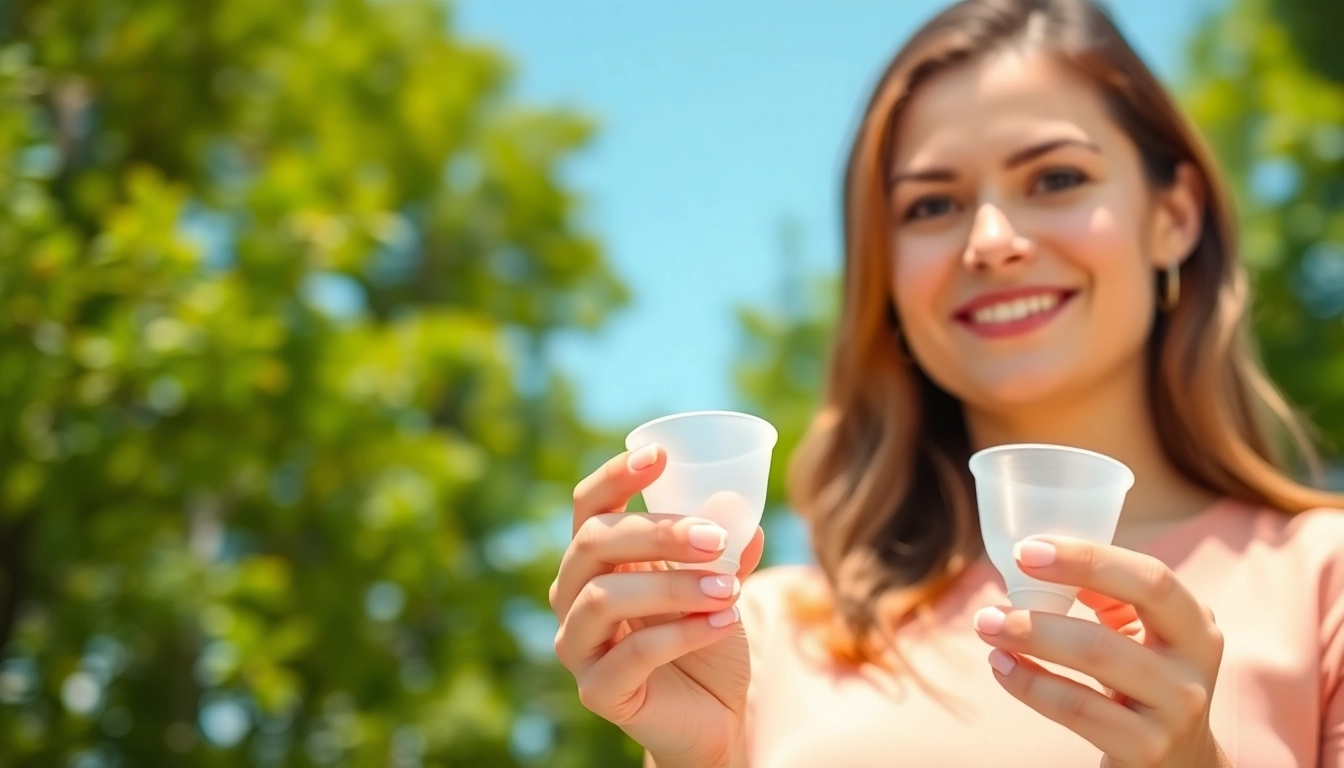
Understanding the Best Menstrual Cup
Menstrual cups have grown in popularity over recent years as a sustainable, eco-friendly alternative to traditional period products. However, many individuals remain uncertain about which product is the best menstrual cup for them. This comprehensive guide aims to demystify menstrual cups and equip you with the knowledge to make an informed decision.
What is a Menstrual Cup?
A menstrual cup is a small, flexible cup designed to be inserted into the vagina to collect menstrual fluid. Typically made from medical-grade silicone, rubber, or thermoplastic elastomer, these cups provide a reusable and environmentally friendly alternative to pads and tampons. Unlike traditional products that absorb fluids, menstrual cups create a seal against the walls of the vagina to prevent leaks.
Benefits of Using a Menstrual Cup
- Eco-Friendly: Menstrual cups can last for up to ten years, significantly reducing menstrual product waste.
- Cost-Effective: While there is an initial investment, the long lifespan of menstrual cups can save money over time.
- Healthier Option: They are free from harmful chemicals found in many disposable products.
- Greater Capacity: Most menstrual cups can hold more fluid than regular tampons, allowing for longer wear time.
- Convenience: Many users report reduced odor and less mess compared to traditional options.
Types of Menstrual Cups
Menstrual cups come in various shapes, sizes, and materials. The two primary types are:
- Classic Cups: These typically have a bell shape and are designed to sit below the cervix.
- Disc Cups: These are flatter and sit higher in the vaginal canal, often recommended for those with a high cervix or specific anatomical needs.
Features to Look for in the Best Menstrual Cup
Understanding the essential features of a menstrual cup is crucial for finding the perfect fit. Here are some vital considerations:
Size and Fit Considerations
The right size is critical for comfort and efficacy. Menstrual cups come in different sizes based on capacity and intended fit. Key factors include:
- Height of the Cervix: Your cervix's positioning can affect cup choice; higher cervixes may benefit from softer or longer cups.
- Flow Level: Heavier flows may need larger capacity cups, while lighter flows could work with smaller sizes.
- Age and Childbirth History: Those who’ve given birth vaginally may need a larger cup, while younger users might find smaller, firmer cups suitable.
Material Quality and Safety
Most menstrual cups are made from silicone, TPE (thermoplastic elastomer), or rubber. It’s essential to choose products certified as body-safe. Key attributes include:
- Medical-Grade Silicone: This is the most common material, praised for being hypoallergenic and easy to clean.
- Durability: Quality materials ensure cups can withstand multiple uses without compromising integrity.
Performance Features (Leak Resistance, Capacity)
A good menstrual cup should offer solid leak-proof protection along with optimal capacity. Key features to consider include:
- Seal Design: The rim of the cup should create a reliable seal against leaks.
- Capacity: Cups typically range from 20ml to 35ml. Choose a cup that matches your flow for seamless wear.
Steps to Use the Best Menstrual Cup Effectively
Using a menstrual cup for the first time may feel daunting, but following some simple steps can enhance your experience:
How to Insert the Menstrual Cup
- Start by washing your hands with soap and water to ensure cleanliness.
- Choose a comfortable position—sitting, squatting, or standing are all fine.
- Fold the menstrual cup using one of several popular fold techniques (C-fold, punch-down fold, or 7-fold).
- Gently insert the folded cup into your vagina, making sure to position it low enough to create a seal.
- Rotate the cup slightly after insertion to ensure it pops open fully.
Cleaning and Maintenance Tips
Proper maintenance ensures optimal performance and hygiene. Follow these steps for effective cleaning:
- Wash the cup with mild, unscented soap and warm water before and after each use.
- During your period, empty the cup every 4 to 12 hours, depending on your flow level.
- After your cycle, sterilize the cup by boiling it in water for five to ten minutes.
Understanding Removal and Storage
To remove the cup, pull on the stem gently while pinching the base to break the seal. Avoid pulling solely by the stem to prevent discomfort. After use, store your menstrual cup in a breathable fabric bag or a box in a dry place.
Common Challenges with Menstrual Cups
Many users may face challenges while adapting to menstrual cups. Here are some common issues and how to navigate them:
Dealing with Leaks and Discomfort
If you experience leaks, ensure that the cup is inserted correctly and verify that it has formed a seal. Experimenting with different positions during insertion may also help improve comfort.
Addressing Size Issues
Choosing the right cup size is fundamental. If you find your cup uncomfortable or difficult to insert, consider consulting a size chart to find a more suitable option.
Overcoming Hesitations and Myths
Many common myths, such as menstrual cups being unsuitable for virgins or difficult to use, need to be addressed. Education and firsthand experiences can debunk these notions and encourage confidence in using a menstrual cup.
FAQs About the Best Menstrual Cup
Can beginners use any menstrual cup?
Not all menstrual cups are suitable for beginners. Look for a smaller, softer cup with a lower capacity—these are generally easier to use for first-timers.
How long can I wear a menstrual cup?
You can safely wear a menstrual cup for up to 12 hours, depending on your flow. Empty it according to your level of flow for best results.
Is it safe to use a menstrual cup overnight?
Yes, it is safe to use a menstrual cup overnight as long as it’s suitable for your flow and emptied before bed. Just ensure it's sealed properly to prevent leaks.
Can I use a menstrual cup postpartum?
Consult your healthcare provider before using a menstrual cup postpartum, as your body may need time to heal and adjust during this phase.
How do I clean my menstrual cup for the first time?
Before your first use, sterilize the menstrual cup by boiling it in water for 5-10 minutes. Rinse it with unscented soap before use and maintain that hygiene throughout your cycle.