Understanding the Excavator: Overview and Functionality
What is an Excavator?
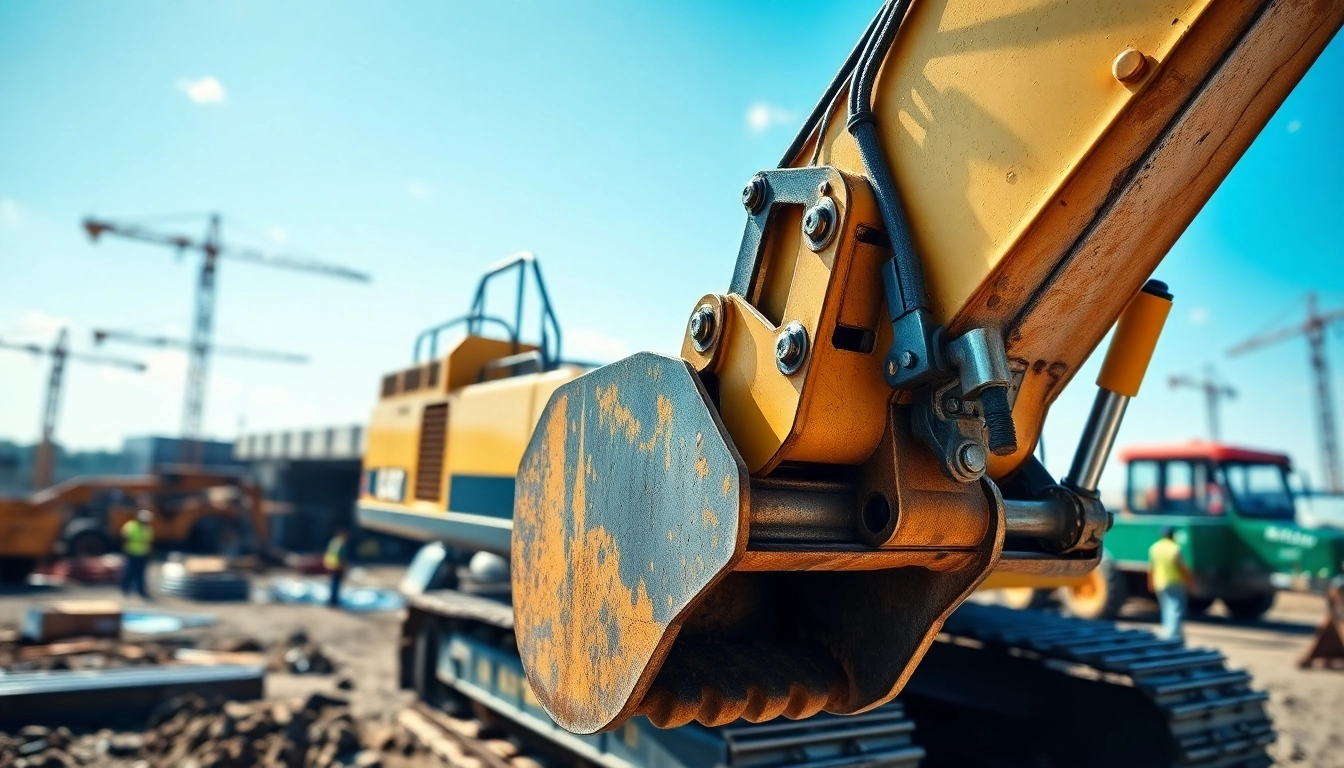
An excavator is a type of heavy construction equipment primarily employed for digging, lifting, and moving materials. Characterized by its unique design, the excavator comprises a powerful boom, a dipper (or stick), a bucket, and a rotating platform known as the house. This configuration allows the excavator to perform a multitude of tasks that are vital to construction and earth-moving projects.
The Components of an Excavator
An excavator's efficiency is largely dependent on its core components:
- Boom: The long arm attached to the house, which extends the reach of the excavator.
- Stick (Dipper): Connected to the end of the boom, this part further extends the reach for digging.
- Bucket: The primary tool used for excavation, which can be swapped out for other attachments as needed.
- Cab: Where the operator sits, equipped with controls for maneuvering the machine.
- House: The rotating platform that supports the components—allowing the excavator to rotate 360 degrees.
Common Uses of Excavators
Excavators serve a range of functions across various industries:
- Excavation: The primary use, involving digging trenches for pipelines, foundations, or basements.
- Material Handling: Equipped with specialized buckets or grapples, they can handle various materials safely and efficiently.
- Landscaping: Often used in landscaping projects to prepare ground by moving large volumes of soil and materials.
- Demolition: Their power allows for effective demolition of structures, especially when fitted with a hydraulic breaker.
- Mining: In mining operations, excavators are crucial for removing overburden and extracting resources.
Types of Excavators and Their Applications
Standard Excavators
Standard excavators, often referred to simply as excavators, are versatile machines available in various sizes. They are ideal for construction and large projects due to their strength and durability. Their applications range from heavy digging tasks, to material loading and site preparation. Additionally, they can be equipped with various attachments like blades or augers, enhancing their functionality.
Mini Excavators
Mini excavators are compact versions designed for smaller tasks where space is limited. Their maneuverability makes them perfect for residential projects, such as backyard landscaping or small-scale excavations. Despite their size, they maintain impressive lifting capabilities and can effectively handle tight spaces, making them a popular choice among contractors.
Specialized Excavators
These excavators are optimized for specific tasks. Examples include:
- Long Reach Excavators: Designed for deep digging applications, such as underwater dredging or mining.
- Hydraulic Excavators: Featuring advanced hydraulics for improved efficiency and performance in demanding tasks.
- Mass Excavators: Heavy-duty machines for quick earth-moving in large construction or mining projects.
Factors to Consider When Selecting an Excavator
Project Requirements
Understanding the specific requirements of your project is critical for selecting the right excavator. Factors include the size of the job site, the depth of digging needed, and the type of materials being handled. For example, heavy-duty excavators may be necessary for large-scale earthworks, while a mini excavator may suffice for lightweight projects.
Budget and Cost Analysis
Determining your budget is essential when choosing an excavator. Costs can vary significantly based on the machine's size and capabilities. Assess rental rates versus purchasing prices, maintenance costs, and potential resale value to make an informed decision that fits your financial plan.
Operational Efficiency
The efficiency of the excavator can significantly impact your project timeline and overall success. Look for features such as advanced hydraulic systems and automated controls that can enhance performance. Additionally, consider how intuitive the controls are for the operator, as this can affect operational speed and accuracy.
Best Practices for Operating an Excavator
Safety Guidelines
Operating an excavator safely is paramount. Always adhere to industry-standard safety protocols—such as wearing the appropriate personal protective equipment (PPE) and conducting pre-operation checks on the vehicle. Additionally, maintain clear communication among the team to ensure coordinated efforts, especially in hazardous conditions or tight spaces.
Maintenance Tips
Regular maintenance is crucial to extend the lifespan of your excavator. Follow a routine maintenance schedule which includes checking fluid levels, inspecting undercarriage components, and replacing worn-out parts. Also, keep the machine clean and free from debris to avoid operational issues.
Operator Training and Qualifications
Ensuring that operators are properly trained and qualified is essential. Certification courses are available that teach the fundamentals of excavator operation, safety measures, and troubleshooting. Investing in training not only enhances safety but also boosts overall productivity on the job site.
FAQs Regarding Excavators
What is an excavator used for?
An excavator is used primarily for digging, moving, and lifting materials in construction, landscaping, and demolition projects. It is also utilized in mining and other heavy-duty applications.
What size excavator do I need?
The size of the excavator required depends on the project's scale, the depth of excavation, and the specific tasks to be performed. Assess the site conditions to determine the best fit.
How much does it cost to rent an excavator?
Rental costs for an excavator vary based on size and type, but generally range from $200 to $500 per day. Long-term rental agreements typically offer better rates.
What are the safety features of an excavator?
Excavators are equipped with several safety features, including rollover protection structures (ROPS), enclosed cabs, emergency shutdown systems, and alarms to warn of hazards.
How do I maintain an excavator?
Maintaining an excavator involves regular inspections, checking fluid levels, cleaning filters, lubricating moving parts, and ensuring all signals and lighting systems are operational.