Understanding Residential Energy Calculation
What Is Residential Energy Calculation?
Residential energy calculation is the process of estimating the energy consumption of a home, which is critical for understanding utility costs, optimizing energy usage, and implementing energy-efficient strategies. These calculations involve assessing various factors including the size of the home, the number of occupants, types of appliances, and energy sources used. By quantifying energy consumption, homeowners can make informed decisions about energy conservation, costs, and feasible improvements in energy efficiency.
Importance of Energy Calculation for Homeowners
Estimating energy consumption through residential energy calculation is pivotal for homeowners for several reasons:
- Cost Reduction: Understanding energy use allows homeowners to identify areas for savings, leading to lower utility bills.
- Energy Management: Knowledge of energy consumption patterns enables better management of heating, cooling, and appliance usage.
- Environmental Impact: By optimizing energy use, homeowners can reduce their carbon footprint and support sustainability efforts.
- Informed Renovations: Accurate energy calculations can guide renovations and upgrades, ensuring they meet energy efficiency standards and yield long-term savings.
Key Factors Influencing Energy Consumption
Several critical factors affect residential energy use:
- Home Size: Larger homes typically consume more energy due to increased heating and cooling demands.
- Insulation and Sealant Quality: Proper insulation and sealing can significantly reduce energy requirements for temperature control.
- Appliance Efficiency: The type and efficiency of appliances directly impact overall energy consumption.
- Occupant Behavior: Lifestyle choices and daily usage patterns influence how much energy is consumed.
- Energy Source: Different energy sources (e.g., electricity, gas, renewable) provide varying efficiencies and costs associated with their use.
Methods for Residential Energy Calculation
Manual Calculation Techniques
Homeowners can perform manual energy calculations by following a systematic approach:
- Identify all electrical devices and appliances in the home.
- Determine the wattage consumption of each item, usually found on labels.
- Calculate the daily usage per device in hours.
- Multiply wattage by usage hours to find kilowatt-hours (kWh) for each device.
- Sum the total kWh to get a cumulative energy consumption figure.
- Multiply total kWh by the local utility rate to estimate monthly costs.
This method, while straightforward, can be quite tedious for larger households with many appliances.
Online Tools and Calculators
Many online tools and calculators simplify the process of residential energy calculation:
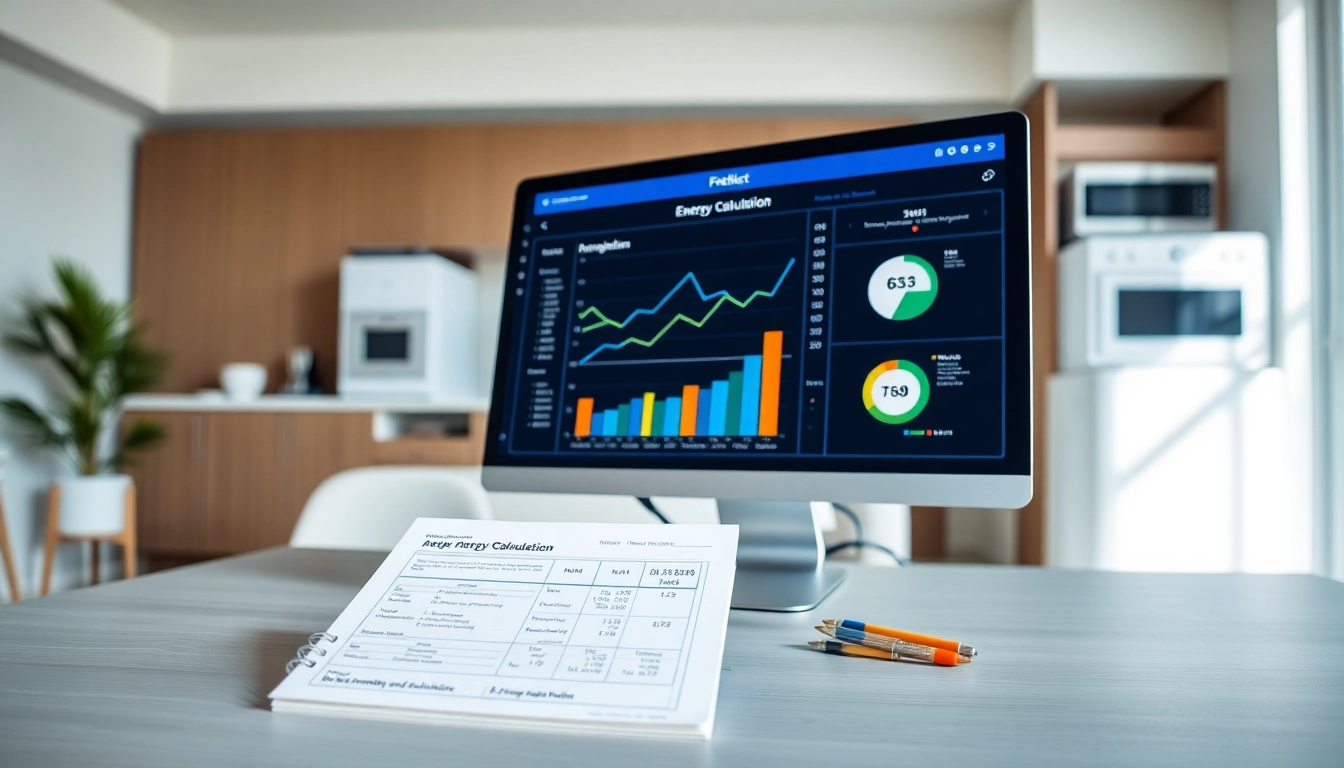
- Online energy calculators can provide quick estimates based on basic inputs such as home size, number of occupants, and appliances.
- Some utility companies offer personalized tools that factor in local rates and energy-saving tips based on user profiles.
- Resources such as the residential energy calculation calculator help homeowners understand their energy usage without complex brackets.
Professional Services for Energy Assessment
For comprehensive analysis, homeowners can enlist professional energy assessors. These experts utilize advanced software and tools to evaluate the entire home system, taking into account:
- Building envelope performance (walls, roofs, windows)
- Heating and cooling systems design and efficiency
- Lighting and appliance efficiency ratings
- HVAC airflow and distribution analysis
Professionals can recommend tailored energy efficiency improvements, often leading to significant long-term savings and enhanced comfort.
Impact of Energy Efficiency on Residential Energy Calculation
What Is Energy Efficiency?
Energy efficiency refers to using less energy to perform the same task or produce the same outcome. In a residential context, this means optimizing home systems and appliances to deliver required performance with minimal energy waste.
Benefits of Improving Home Energy Efficiency
Enhancing energy efficiency provides numerous advantages:
- Cost Savings: Reduced energy usage translates to lower monthly bills.
- Increased Comfort: Improved insulation and better HVAC systems lead to more consistent indoor temperatures.
- Higher Property Value: Energy-efficient homes often attract higher resale prices in the real estate market.
- Environmental Benefit: Lower energy consumption reduces carbon emissions and reliance on fossil fuels.
Strategies for Enhancing Energy Efficiency
Homeowners can adopt several strategies to improve energy efficiency:
- Invest in Energy-Efficient Appliances: Products with Energy Star ratings consume less energy and offer long-term savings.
- Upgrade Insulation: Enhancing insulation in attics, walls, and basements reduces heating and cooling demands.
- Seal Air Leaks: Use caulk and weather stripping to close gaps around windows and doors.
- Smart Thermostats: Implementing programmable or smart thermostats optimizes heating and cooling schedules.
- Energy Audits: Regular energy assessments can identify areas for improvement.
Common Challenges in Residential Energy Calculation
Identifying Energy Consumption Patterns
Many homeowners struggle to identify their energy consumption patterns accurately. Daily usage can fluctuate based on various factors, including seasonal changes, guest occupancy, and appliance breakdowns. Keeping a consistent log of energy usage over time can help in recognizing trends and anomalies, assisting in better energy management.
Dealing with Variable Energy Rates
Energy prices can vary based on time of day and season. Without monitoring usage in tandem with tariff structures, homeowners may not realize they can save money by shifting energy-intensive tasks to off-peak hours. Understanding local rates can help in developing efficient usage strategies that take advantage of these variances.
Understanding Calculation Errors and Misconceptions
Homeowners often harbor misconceptions about their energy usage, leading to calculation errors. For instance, estimating usage of devices without considering their usage frequency reduces accuracy. It is crucial to educate oneself on proper calculations and common pitfalls to develop a transparent view of energy consumption.
Future Trends in Residential Energy Calculation
Emerging Technologies in Energy Assessment
The residential energy calculation landscape is evolving with technological advancements:
- Smart Meters: These devices provide real-time data on energy usage, enabling homeowners to identify spikes or inefficiencies.
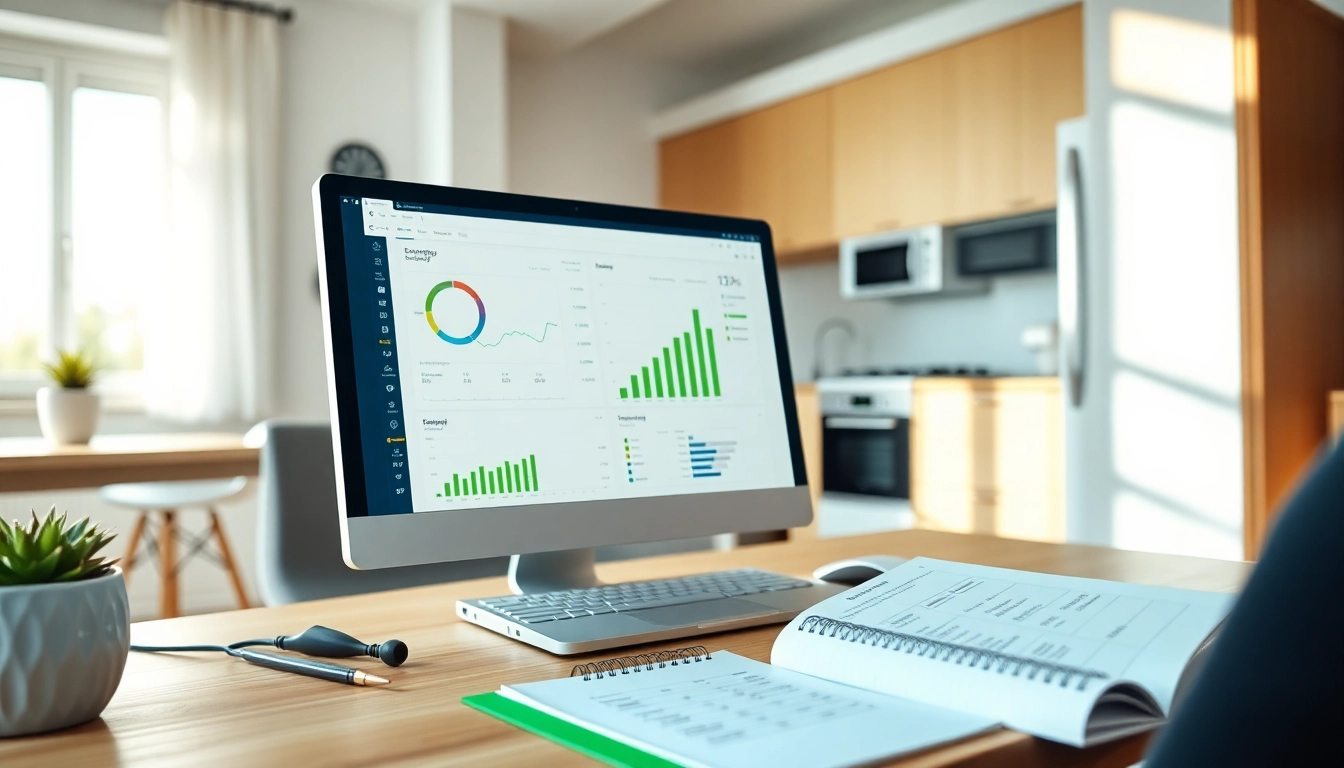
- Data Analysis Tools: Advanced software solutions allow for detailed analysis of energy consumption and prediction models based on past data.
- Energy Management Systems: Systems that automate and optimize energy use based on user preferences and external factors.
The Role of Smart Homes in Energy Management
Smart home technology enhances energy calculations and management:
- With smart devices, homeowners can monitor and manage energy usage remotely through apps.
- Integration between devices enables energy-efficient schedules, such as running appliances during off-peak hours.
- Enhanced control over heating and cooling systems can lead to considerable saving opportunities.
Government Regulations and Smart Energy Use
Regulations are evolving to support energy-efficient residential construction and retrofits. Incentives for energy audits, upgrading appliances, and insulating homes can lower upfront costs, making energy-efficient enhancements more accessible for homeowners. Educating oneself about local policies plays a critical role in maximizing these benefits.
FAQs
1. How do I calculate how much energy my house will use?
Calculate energy consumption by determining the wattage of your devices, their daily usage in hours, and multiplying these figures to estimate total monthly use in kWh.
2. What factors affect my home’s energy efficiency?
Home size, insulation quality, appliance efficiency, occupant behavior, and energy sources significantly impact overall energy use and efficiency.
3. Can online calculators provide accurate energy estimates?
Yes, online calculators can give reliable estimates based on input data about home size, number of occupants, and energy sources, although they may lack detail.
4. How often should I conduct an energy audit?
It’s advisable to conduct an energy audit every few years or after significant changes like renovations, new appliances, or changes in household size to maintain efficiency.
5. Are energy-efficient upgrades worth the investment?
Yes, energy-efficient upgrades typically lead to significant long-term savings, increased comfort, and enhance property value, making them a wise investment.