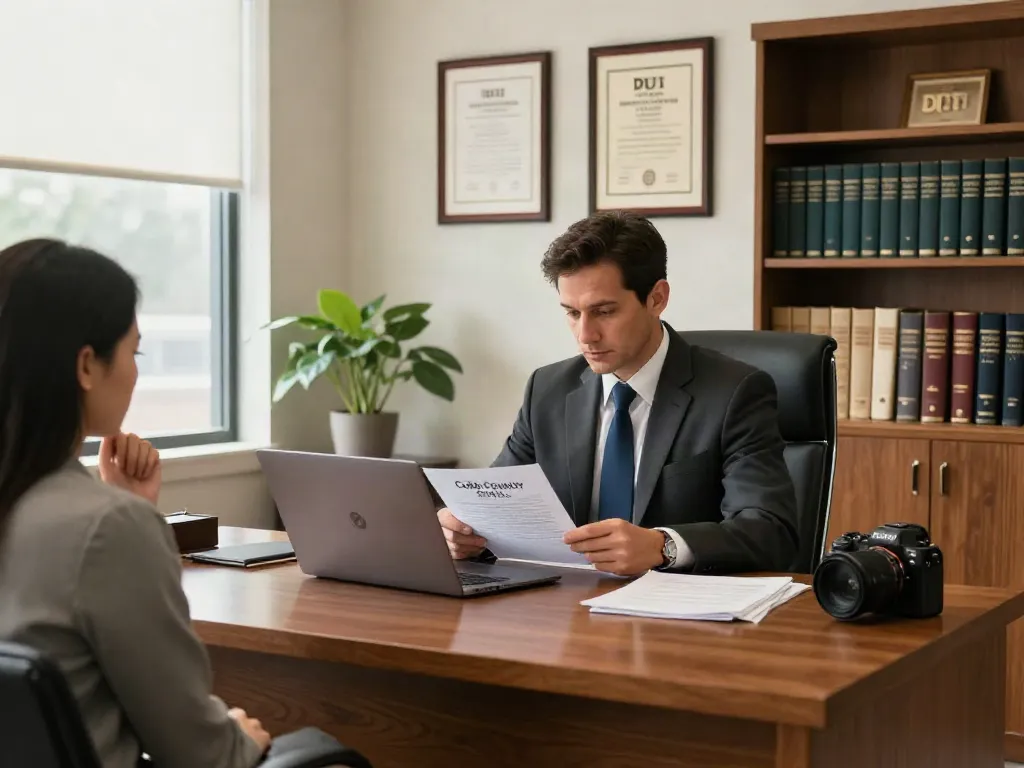
Understanding Mediation
What is Mediation?
Mediation is a structured form of dispute resolution where an impartial third party, known as a mediator, facilitates discussions between conflicting parties to help them reach a mutually acceptable agreement. Unlike a judge, a mediator does not have the authority to impose a decision on the parties involved but instead assists them in articulating their needs and interests. This process is particularly beneficial in resolving disputes in various contexts, including family, business, and community negotiations. It encourages open communication and collaboration, allowing both parties to explore their options and find common ground.
The essence of mediation lies in its voluntary nature; participation requires both parties to agree to engage in the process. This cooperative spirit opens avenues for creativity in resolving disputes, as parties can propose solutions that a court might not typically enforce. In this regard, mediation provides a safe space where individuals can discuss their perspectives with the guidance of a skilled neutral party, as highlighted in multiple authoritative resources, including Mediation.
The Role of a Mediator
The mediator's role is crucial in ensuring a productive environment for dialogue and resolution. Mediators are trained professionals who employ specific techniques to facilitate discussions and manage conflicts. They do not take sides, offer legal advice, or make decisions for the parties involved. Instead, mediators help parties clarify their interests, identify common ground, and explore potential solutions. Key responsibilities include:
- Neutral Facilitation: Maintaining impartiality throughout the process.
- Encouraging Communication: Helping parties express their views and feelings openly.
- Guiding the Process: Structuring discussions in a way that promotes collaboration and problem-solving.
- Maintaining Confidentiality: Ensuring that the contents of the mediation session remain private.
How Mediation Works
The mediation process typically unfolds in several stages:
- Initiation: Parties agree to mediate and select a mediator.
- Pre-Mediation Preparation: Mediators may conduct preliminary meetings to outline the process and set ground rules.
- Joint Session: All parties come together to discuss the dispute. The mediator facilitates the conversation, encouraging each side to present their perspectives.
- Private Sessions: Also known as caucuses, these allow the mediator to meet individually with each party to understand their positions better.
- Negotiation: The mediator guides the parties toward a resolution, helping them generate and evaluate options.
- Closure: If an agreement is reached, the mediator assists in drafting a written summary of the terms, which can be made legally binding, if desired.
The Benefits of Mediation
Cost-Effectiveness of Mediation
Mediation is often significantly less expensive than traditional litigation. Legal fees, court costs, and the time required to resolve disputes through litigation can quickly accumulate, whereas mediation generally involves a set fee determined by the mediator based on the session length. In many instances, disputes can be resolved in just a few hours of mediation, saving parties from prolonged financial burdens.
Confidentiality in Mediation
One of the prominent advantages of mediation is its confidentiality. Unlike court proceedings, which are typically public, mediation sessions remain private. This confidentiality extends to all discussions and documents shared during the mediation process, allowing parties to speak freely without concern for public backlashes or implications in future legal proceedings. This safe environment fosters more honest communications, which can lead to innovative solutions to conflicts.
Time Efficiency of Mediation
Time is often of the essence in disputes, especially those affecting business operations or personal relationships. Mediation can be arranged much more swiftly than a court trial, which may take months or even years to resolve due to backlogs and procedural requirements. The flexibility of mediation also allows parties to set their schedules, reducing delays associated with court dates and procedural formalities.
Common Mediation Techniques
Facilitative Mediation
This technique focuses on assisting parties in communicating effectively and understanding each other’s perspectives. The mediator encourages dialogue and helps clarify issues without expressing opinions or evaluations. The objective is to empower the parties to develop their solutions collaboratively.
Evaluative Mediation
In evaluative mediation, the mediator provides opinions on the merits of each side's case based on their expertise and leads the parties toward a pragmatic settlement. This form is more directive, with the mediator guiding parties toward likely outcomes if the case were to go to trial.
Transformative Mediation
This approach aims to improve the relationship between the parties involved in the dispute. It focuses on changing the dynamics of interactions, fostering empathy, and understanding, rather than merely resolving the specific issue at hand.
Preparing for a Mediation Session
Setting Goals for Mediation
Before entering mediation, it's crucial for each party to outline their main objectives. Understanding what they want to achieve helps tailor the process to their needs and fosters realistic discussions. Having clear goals allows individuals to measure progress throughout the mediation.
Gathering Necessary Documents
Preparation is key to effective mediation. Participants should gather all relevant information and documentation related to the dispute. This may include contracts, correspondence, and financial records. Having this data readily available helps clarify points of contention and supports informed decision-making during discussions.
Establishing Ground Rules
Setting ground rules at the beginning of the mediation process is essential to maintain respect and civility throughout. Rules might include prohibiting interruptions, ensuring each party has an equal opportunity to speak, and agreeing to keep discussions confidential. A successful mediation hinges on mutual respect and collaboration between parties.
Frequently Asked Questions about Mediation
1. What is the role of the mediator?
The mediator facilitates communication between parties, encourages problem-solving, and helps them reach a mutually acceptable resolution without forcing a decision.
2. How long does mediation typically take?
Mediation sessions can last from a few hours to multiple days, depending on the complexity of the issues and the willingness of parties to negotiate.
3. Is mediation legally binding?
Agreements reached in mediation can be made legally binding if parties choose to formalize them in a written document, typically enforceable in court.
4. Can mediation be conducted online?
Yes, mediation can effectively take place online using video conferencing tools, making it accessible regardless of geographical locations.
5. What issues can be resolved through mediation?
Mediation is versatile and can address various disputes, including family issues, business conflicts, landlord-tenant disagreements, and workplace disputes.