Understanding Gasoline Odor and Its Effects
Gasoline is a common substance found in many households, used for various purposes such as fueling vehicles, lawn mowers, and other equipment. However, a gasoline smell in the house can be alarming. This odor isn’t just unpleasant; it can signal a serious issue that requires immediate attention. In this comprehensive guide, we will explore the nuances of gasoline odors, their health effects, how to address them, and methods for removing gasoline smells safely and effectively. If you want to know how to get rid of gasoline smell in house, you’re in the right place.
What Causes Gasoline Smell in Your House?
The gasoline smell in your house can arise from various sources. In most cases, it comes from a spill or leak, often occurring when filling a gas tank or transporting gasoline. Other causes include improper storage of gasoline containers or even vehicle exhaust entering your home through poorly sealed garage doors or windows. Over time, gasoline vapors can travel through walls and vents, affecting the overall air quality of your home.
Health Risks of Gasoline Exposure
Gasoline contains harmful chemicals, including volatile organic compounds (VOCs) such as benzene, toluene, and xylene. Exposure to these substances can have significant health effects, including headaches, dizziness, respiratory issues, and even long-term effects on the central nervous system. Children, pregnant women, and pets are particularly vulnerable to these risks. Thus, it is vital to act quickly when a gasoline smell is detected in your home.
Importance of Immediate Action
Taking prompt action when you notice a gasoline smell is crucial for the safety of your household. Immediate steps can prevent potential health issues and limit the chances of fire hazards associated with gasoline vapors. Understanding how to manage and mitigate these smells is essential for maintaining a safe living environment.
Initial Steps to Address the Problem
Identifying the Source of the Smell
The first step in dealing with a gasoline smell is to locate where it is coming from. Check common areas where gasoline is stored, such as garages, sheds, or basements. Pay special attention to any gasoline containers for leaks and inspect areas around fuel-burning appliances.
Safety Precautions When Handling Gasoline
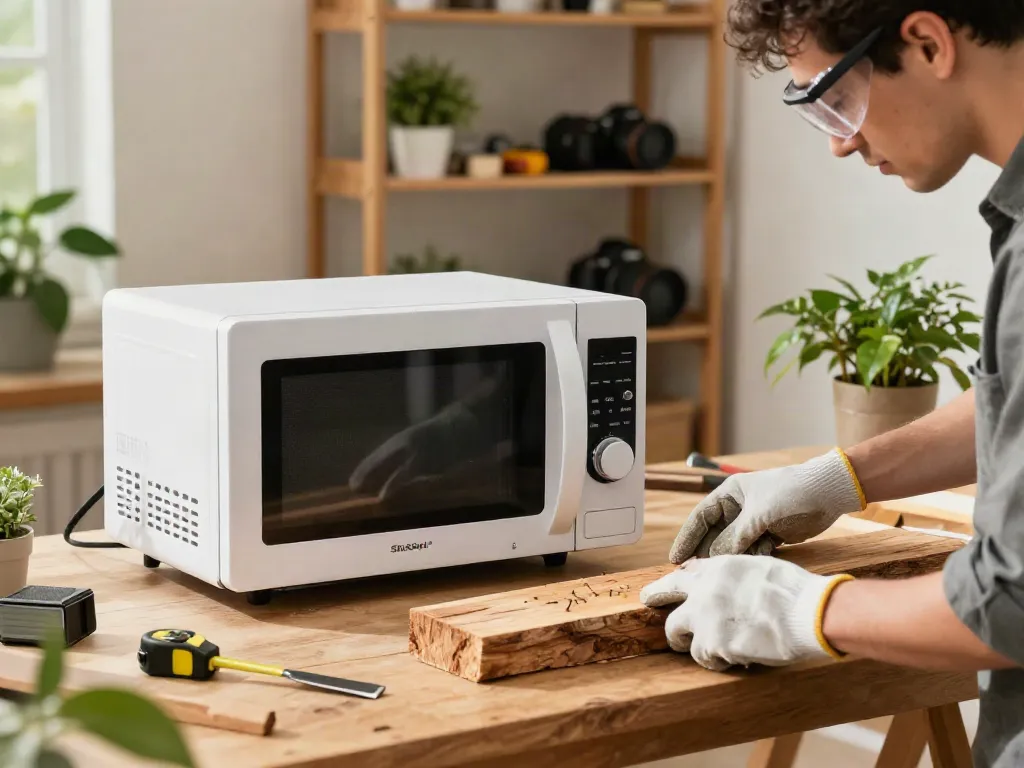
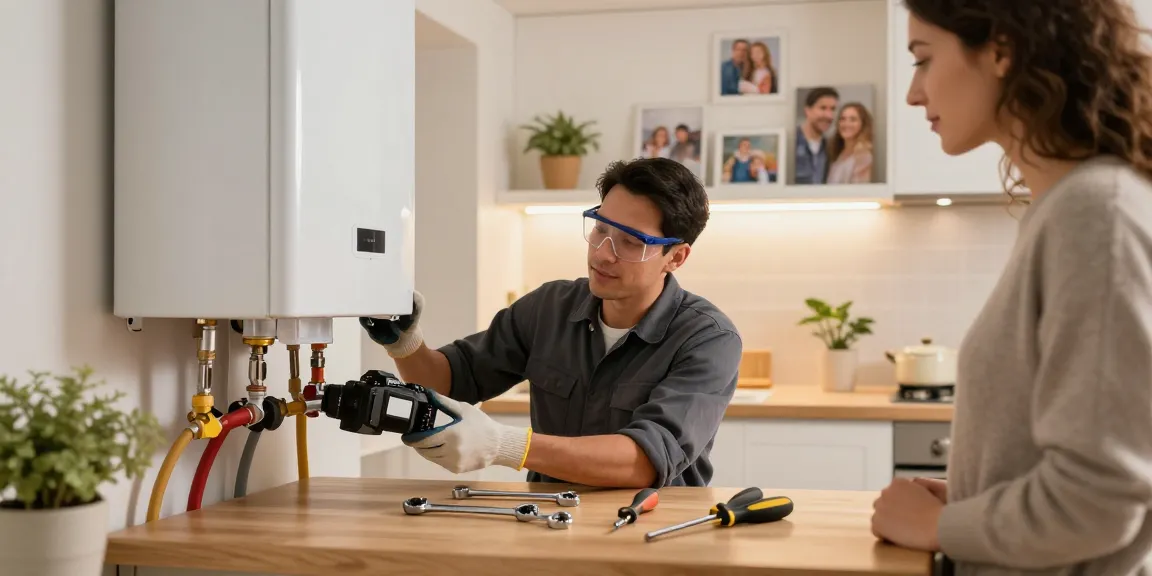
Safety should be your priority when handling gasoline. Make sure to wear protective gloves and eyewear to prevent skin and eye contact, and keep a well-ventilated area to diminish fumes. Avoid using any electrical appliances or flames in the vicinity, as gasoline vapors are highly flammable.
First-Aid for Gasoline Spills
If you spill gasoline, it is vital to act quickly. Blot the spill with absorbent materials like rags or paper towels – do not wipe, as this can spread the fuel. Using cat litter or baking soda can help contain and absorb the liquid. Dispose of contaminated materials properly in accordance with local regulations.
Natural Remedies for Removing Gasoline Smell
Using Baking Soda for Absorption
Baking soda is an effective natural odor absorbent. Sprinkle a generous amount of baking soda over carpets, upholstery, or any fabric surfaces that have absorbed the gasoline smell. Let it sit for several hours or overnight, then vacuum it up. This method can significantly reduce or eliminate odors.
Vinegar Solutions to Eliminate Odors
Vinegar is another natural remedy that effectively neutralizes strong odors. Mix equal parts of water and white vinegar in a spray bottle and mist the affected areas. Ventilating the space helps amplify vinegar's natural deodorizing properties as it evaporates.
Charcoal and Its Absorbing Qualities
Activated charcoal is celebrated for its excellent ability to absorb smells. Place bowls of activated charcoal around the affected areas or in closets to minimize gasoline odors. Leaving it for a few days can significantly reduce persistent smells.
Cleaning Techniques for Different Surfaces
Carpet and Upholstery Cleaning Methods
When dealing with gasoline smells on carpets and upholstery, start by cleaning the surface with a mixture of warm water and dish soap. Scrub gently, rinse, and then blot dry. Follow up with baking soda treatment to enhance odor absorption. Steam cleaning is also a viable option for deeper sanitation.
Floor Treatments to Remove Smell
For hard floors, scrub the area with a mop and a solution of warm water mixed with vinegar. Ensure that the area is well-ventilated during this process, as vinegar is a natural deodorizer. You may also want to use a floor cleaner designed to eliminate odors.
HVAC System Considerations
If the gasoline smell permeates through vents, your HVAC system might be circulating contaminated air. Change air filters regularly as a preventive measure. In severe cases, consider hiring professionals to clean ducts and ensure the system is free from fuel vapors.
Preventing Future Gasoline Smells
Proper Storage Techniques for Gasoline
Storing gasoline safely is essential. Always use approved containers that are specifically designed for gas storage. Make sure these containers are sealed tightly when not in use and to keep them in a well-ventilated space away from direct sunlight to prevent leakage and evaporation.
Regular Maintenance Checks Around Home
Conduct regular maintenance checks on areas where gasoline is utilized or stored. Look for leaks, cracks, or other possible issues that may lead to spills. Keeping equipment in good working order can prevent accidents that may contribute to gasoline smells.
Consulting Professional Help When Needed
If problems persist or you are unsure about handling gasoline odors, consider contacting professional cleaning services that specialize in deep cleaning and odor removal. They have specialized tools and expertise to address complex situations safely.
FAQs
1. Is it okay to sleep in a room that smells like gasoline?
No, it is not safe to sleep in a room with a gasoline smell. Gasoline vapors can be toxic and flammable, posing significant health risks.
2. How can I tell if the smell is gasoline?
Gasoline has a distinct, sharp odor. If the smell lingers around gas storage areas, appliances, or cars, it may indicate a leak or spill.
3. How do I clean a gasoline spill outside my house?
For outdoor spills, absorb the liquid with sand or dirt, then contact local waste disposal services for proper disposal of contaminated materials.
4. Can air fresheners eliminate gasoline smell?
Air fresheners can mask the smell temporarily but do not remove the source of the odor. Cleaning and proper ventilation are necessary for the complete removal of gasoline smells.
5. How long does the gasoline smell last?
The duration of the odor depends on various factors, including the amount spilled and ventilation. With proper care, the smell can dissipate within a few days to a week.