Understanding Bed Bugs
What Are Bed Bugs?
Bed bugs are small, nocturnal insects that belong to the Cimicidae family. They are primarily known for their blood-feeding habits, particularly targeting humans and other warm-blooded hosts. Adult bed bugs are approximately 4 to 5 mm in size, flat, and reddish-brown, resembling a tiny apple seed. These pests are notorious for their ability to hide and reproduce quickly, leading to significant infestations if not controlled effectively. Understanding the pest is crucial for any effective bed bug pest control strategy.
Life Cycle of Bed Bugs
Bed bugs undergo a simple metamorphosis, progressing through four life stages: egg, nymph, and adult. The female bed bug can lay between 200 to 500 eggs in her lifetime, usually depositing them in warm, secluded areas near host environments. The eggs hatch within 6 to 10 days, leading to nymphs that require blood meals to mature into adults. Nymphs molt five times before reaching adulthood. The entire life cycle, from egg to adult, can take about 5 to 7 weeks, depending on environmental conditions and availability of hosts.
Signs of Infestation
Detecting a bed bug infestation early can prevent the issue from escalating. Common signs include:
- Small blood stains on sheets and mattresses
- Fecal spots (dark, small dots) on bedding or furniture
- Itchy, red bites typically appearing in lines or clusters on the skin
- Molted skins and eggshells near sleeping areas
- Unpleasant musty odors from feeding sites
Assessing the Problem
Conducting a Thorough Inspection
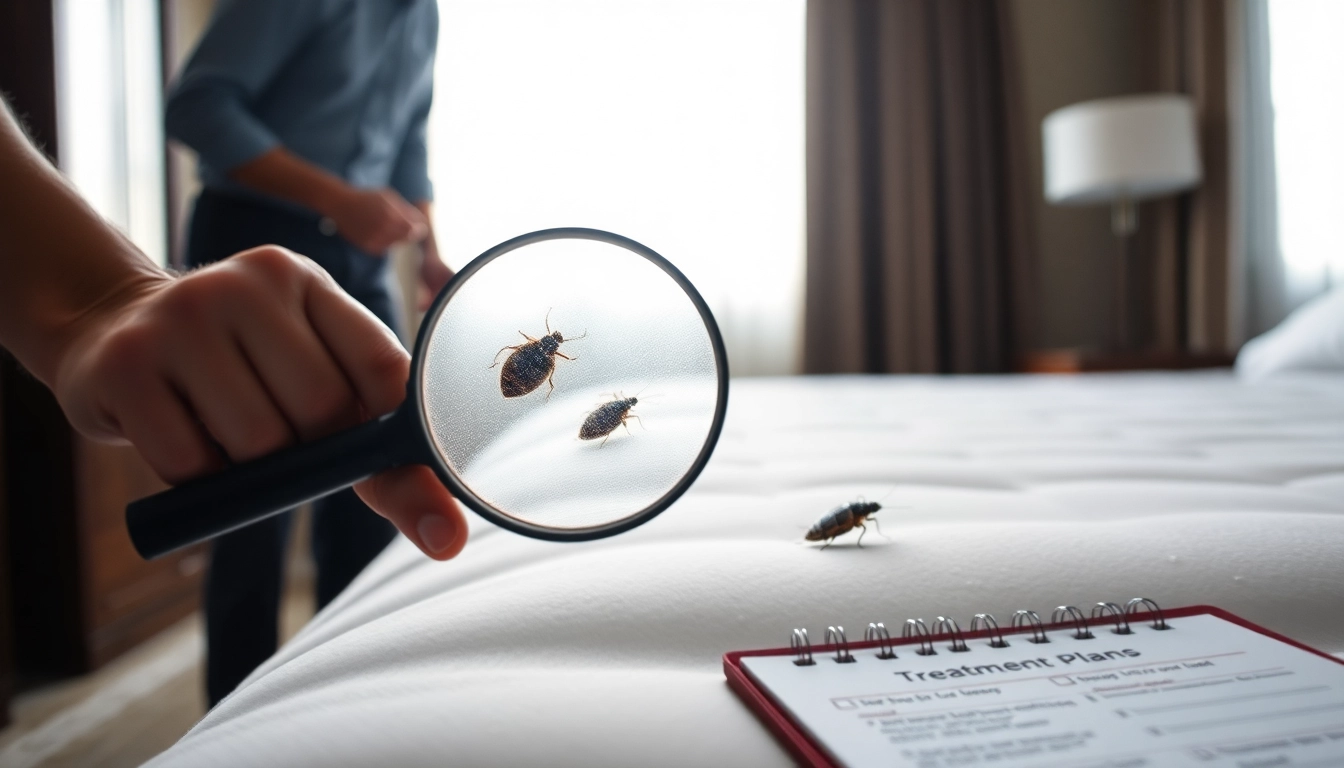
Before implementing any pest control measures, conducting a thorough inspection is vital. Begin by checking areas around beds, including seams of mattresses, box springs, headboards, and nearby furniture. Tools like flashlights, magnifying glasses, and sticky tape can help detect bed bugs or their remnants more efficiently.
Identifying High-Risk Areas
Bed bugs thrive in environments close to human activity, making certain areas higher risk for infestations. Typical high-risk locations include:
- Hotels and motels
- Public transportation (buses, trains)
- Hospitals and nursing homes
- College dormitories and shared housing
Understanding Infestation Levels
Infestation levels can vary significantly, categorized as mild, moderate, or severe based on the number of visible bugs and signs present. Mild infestations may show only a few bugs or signs, while severe cases require immediate, intensive treatment and may impact surrounding areas.
Bed Bug Pest Control Methods
Chemical Treatments
Chemical treatments involve the use of pesticides formulated specifically for bed bugs. These pesticides, including pyrethroids and neonicotinoids, target bed bugs at various life stages. Treatment can include direct sprays, dusts, and foggers, though proper application is crucial to avoid human and pet risks.
Non-Chemical Approaches
Non-chemical methods focus on physical and mechanical pest control. These can include:
- Heat treatments: Raising temperatures to over 120°F (49°C) kills bed bugs in all life stages.
- Vacuuming: High-efficiency particulate air (HEPA) vacuums can effectively remove bed bugs from surfaces.
- Steam cleaning: Using steam can eliminate bugs hiding in fabrics and cracks.
- Encasements: Special mattress and box spring encasements prevent bugs from entering or escaping.
Integrated Pest Management
Integrated Pest Management (IPM) is a holistic approach that combines multiple strategies for effective bed bug management. IPM emphasizes monitoring, pest identification, and combining methods for long-term control. Employing IPM can enhance effectiveness while minimizing harmful exposures.
DIY Bed Bug Control Techniques
Home Remedies
Many homeowners seek DIY solutions for bed bug control. Common home remedies include:
- Diatomaceous earth: A natural powder that can dehydrate and kill bed bugs upon contact.
- Essential oils: Some oils, like tea tree or lavender, have insecticidal properties, though effectiveness varies.
- Alcohol solutions: Rubbing alcohol can kill bed bugs on contact but is less effective for deep infestations.
Preventive Measures
Preventing bed bug infestations is fundamental. Consider these tips:
- Inspect second-hand furniture and clothing before bringing them home.
- Create a protective barrier around beds using encasements.
- Regularly vacuum and clean sleeping areas.
- Be cautious when traveling; inspect hotel rooms before settling in.
Effective Cleaning Practices
Regular cleaning can significantly minimize the risk of infestations. Focus on:
- Washing bedding and clothing frequently in hot water.
- Using high-heat drying cycles to kill any potential bugs.
- Vacuuming floors, carpets, and upholstery diligently.
- Disposing of clutter and minimizing hiding spaces.
When to Call a Pest Control Professional
Signs You Need Expert Help
While DIY measures can sometimes control bed bug issues, certain signs indicate the need for professional intervention. These include:
- Persistent bites or skin reactions despite treatment attempts.
- Finding clusters of bed bugs or an increasing population.
- Effectiveness of DIY methods is lacking.
Choosing the Right Exterminator
When selecting a pest control professional, ensure they are licensed and have experience specifically with bed bug control. Ask for referrals and check reviews to gauge effectiveness. A reputable exterminator will provide a tailored pest control plan suited to your specific infestation level.
Expected Costs and Services
Cost structures for bed bug extermination can vary significantly based on area, infestation severity, and treatment type. On average, expect pricing to range from moderate to high, often requiring multiple sessions for effective eradication. Discuss services included in the quote, such as follow-up visits, guarantees, and preventive tips.
Frequently Asked Questions
What are the most effective methods for bed bug pest control?
Effective methods include chemical treatments, heat treatment, and integrated pest management tailored to your environment.
Can I handle a bed bug infestation on my own?
While DIY methods can help, involving professionals is often necessary for severe infestations. Their expertise assures thorough treatment.
How quickly can a professional remove bed bugs?
Removal can require several visits over weeks, depending on infestation severity and chosen methods, especially with significant infestations.
What are the signs of a bed bug infestation?
Signs include bites on skin, blood stains on sheets, fecal spots, and presence of snellings, which may indicate bed bug activity.
Are bed bugs harmful?
Bed bugs are not known to transmit diseases, but their bites can cause itching, allergies, and emotional distress due to stress from infestations.