Understanding Real Estate Photography
Definition and Importance
Real estate photography is specialized photography focused on capturing images that showcase properties for sale or rent. With online listings dominating the real estate market, high-quality visuals are essential. They serve not only to attract potential buyers but also to convey the features and potential of a property effectively. Photographs can significantly impact a buyer's perception, making them a vital tool in marketing strategies for real estate agents and sellers alike. The importance of Real Estate Photography cannot be overstated; it can expedite sales and enhance marketing efforts, making it an indispensable part of the real estate industry.
Core Principles of Real Estate Photography
To excel in real estate photography, understanding its core principles is critical. These include:
- Composition: Good composition can make or break a photograph. Utilizing techniques such as the rule of thirds can enhance visual appeal.
- Lighting: Natural light is generally preferred for real estate photography; however, additional lighting may be necessary in darker areas.
- Aesthetic Appeal: Photos should enhance the property’s aesthetic, highlighting its unique features while providing an accurate representation.
Key Equipment and Tools
The right equipment plays a crucial role in capturing stunning images. Essential tools include:
- Camera: A DSLR or mirrorless camera with adjustable settings offers flexibility and high-quality images.
- Lenses: Wide-angle lenses are popular for capturing entire rooms, while prime lenses can create depth.
- Tripod: A sturdy tripod stabilizes shots and enables long exposures for better lighting.
- Editing Software: Software such as Adobe Lightroom and Photoshop are vital for post-processing images to enhance their quality.
Techniques for Stunning Real Estate Photography
Lighting Tips for Perfect Shots
Lighting is one of the most critical elements in photography. Here are some tips to optimize lighting for real estate photography:
- Golden Hour: Shooting during early morning or late afternoon can produce softer, more flattering light.
- Use Natural Light: Open curtains and blinds to let natural light in, and avoid heavy shadows.
- Supplement with Flash: Use flash sparingly to fill in shadows in darker areas without overpowering the natural light.
Best Composition Practices
Effective composition can highlight the key features of a property. Consider these practices:
- Angles: Experiment with different angles to find the most flattering views of rooms and exteriors.
- Leading Lines: Use lines to guide the viewer’s eyes through the image, creating depth.
- Focus on Details: Capture close-ups of unique features like fireplaces, fixtures, or architecture to add interest.
Utilizing Editing Software Effectively
Post-processing is essential in real estate photography. Here are tips for effective editing:
- Adjust Exposure: Correcting exposure ensures that the property looks bright and welcoming.
- Color Correction: Ensure that colors represent the property accurately and are visually appealing.
- Staging and Final Touches: Use editing to enhance objects within the frame and remove distractions.
Staging Properties for Real Estate Photography
Importance of Home Staging
Staging a home can dramatically enhance its appeal. An effectively staged home allows potential buyers to visualize themselves in the space. Staged properties often sell faster and at higher prices. Here are key aspects of home staging:
- Neutral Colors: Neutral palettes can make spaces appear larger and universally appealing.
- Furniture Placement: Arranging furniture to create an open flow can make spaces feel welcoming and functional.
Color Schemes and Decor Choices
The right colors and decor can create an inviting atmosphere. Some tips include:
- Consistency: Keep within a consistent color scheme that fits the property's style.
- Minimalism: Too much decor can distract buyers; focus on essential pieces that enhance the space.
Creating Inviting Spaces
An inviting space can create an emotional connection with potential buyers. Consider the following when creating inviting spaces:
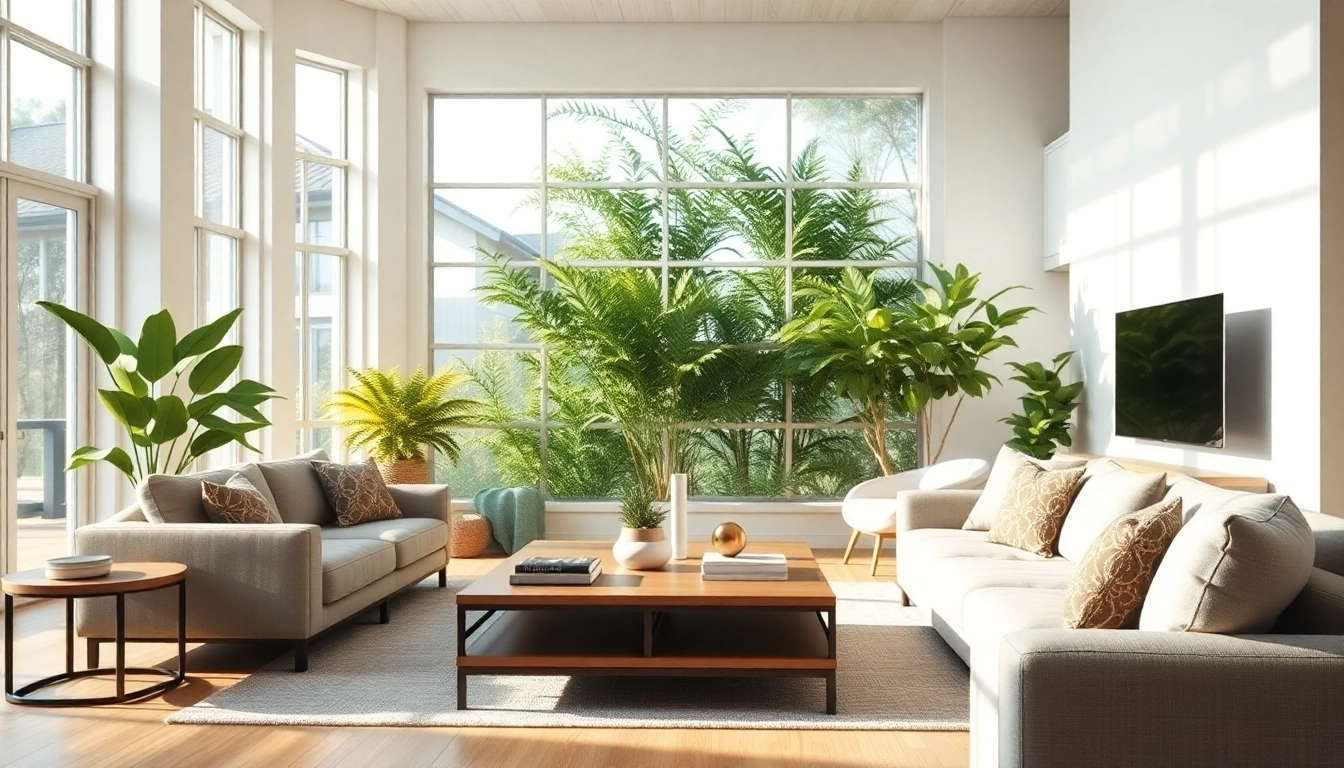
- Natural Elements: Incorporating plants or natural materials can make spaces warmer.
- Lighting: Bright, airy rooms feel welcoming; use lighting to create a cozy atmosphere even in small areas.
Understanding the Market and Pricing
Real Estate Photography Pricing Strategies
Understanding how to price your real estate photography services can set you apart in the competitive market. Consider the following strategies:
- Market Research: Analyze local competitors to gauge average pricing and service offerings.
- Package Deals: Offering packages can attract clients looking for comprehensive services, like including drone photography or virtual tours.
Market Trends and Competitive Analysis
Staying updated with market trends is essential. Regular analysis can help refine services, including:
- Client Preferences: Understanding what clients are looking for helps in tailoring services.
- Adoption of New Technology: Embrace new tools and platforms that can give you a competitive edge.
Value Propositions for Clients
Providing clear value propositions can convince clients to choose your services. Highlight benefits such as:
- High-Quality Imagery: Emphasize the importance of professional images in selling properties faster.
- Enhanced Marketing: Illustrate how your photography can elevate their marketing strategy, potentially drawing in more buyers.
Frequently Asked Questions About Real Estate Photography
What is the average cost of Real Estate Photography?
The average cost typically ranges from $150 to $500, depending on location and services offered. Factors include property size and complexity of the shoot.
How long does a Real Estate Photography session take?
A typical real estate photography session can last anywhere from 1 to 3 hours, depending on the property's size and complexity of shots required.
What types of properties benefit from Real Estate Photography?
All types of properties can benefit, including residential homes, commercial buildings, and rental listings, as high-quality visuals attract more interest.
Do I need to stage my home before Real Estate Photography?
Staging isn't strictly necessary but can greatly enhance the appeal of your home, allowing potential buyers to envision themselves in the space.
What are common mistakes in Real Estate Photography?
Common mistakes include poor lighting, cluttered spaces, and unbalanced compositions. Attention to detail is crucial for achieving high-quality images.