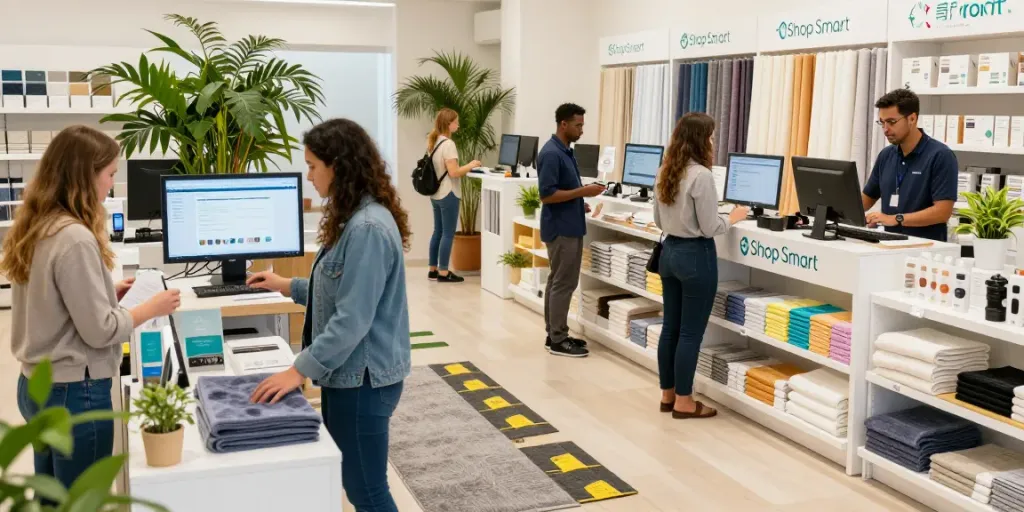
Understanding the Multi-Store Concept
What is a Multi-Store?
A Multi-Store is a powerful retail solution that allows businesses to manage multiple online stores from a single platform. This customizable approach enables brands to cater to various customer segments, regional markets, or product lines without the need for distinct systems. Instead of juggling between different websites, store owners can streamline operations, inventory management, and reporting, creating a unified experience. Through a Multi-Store system, businesses can efficiently optimize resources and enhance their market reach.
Benefits of a Multi-Store
Implementing a Multi-Store provides several advantages:
- Centralized Management: Simplifies overseeing multiple channels, reducing time and effort spent on administrative tasks.
- Cost Efficiency: Minimizes costs associated with maintaining separate infrastructures and hosting solutions.
- Improved Customer Segmentation: Presents tailored experiences, products, and promotions based on customer preferences and demographics.
- Scalability: Easy to add new stores as your business expands, ensuring you can adapt to growth opportunities.
- Unified Analytics: Offers comprehensive insights across stores, helping identify trends and performance metrics effectively.
How Multi-Store Works
A Multi-Store functions through a centralized backend system that controls various front-end stores. Each store operates independently regarding branding, products, and pricing while sharing a common database for inventory and orders. This architecture ensures synchronization between stores, leading to real-time updates. Store owners can customize themes, design layouts, and marketing strategies to suit different audiences while benefiting from a cohesive operational structure.
Implementing a Multi-Store Solution
Key Features to Consider
When selecting a Multi-Store solution, consider the following features:
- Customizable Themes and Templates: Ensure you can adapt the appearance of each store to match its unique branding.
- Multi-Currency and Multi-Language Support: Facilitate purchases from international customers by offering multiple currencies and language options.
- Centralized Inventory Management: Streamline inventory tracking to avoid stock discrepancies across all stores.
- Integrated Analytics and Reporting: Allow for data-driven decision-making with comprehensive reports on each store's performance.
- Robust Security Measures: Protect sensitive customer data through advanced security protocols.
Steps to Launch Your Multi-Store
Launching a Multi-Store requires thorough planning and execution:
- Define Your Strategy: Determine your target markets, product offerings, and specific goals for each store.
- Choose the Right Platform: Evaluate different Multi-Store solutions that fit your business needs and budget.
- Set Up Your Stores: Configure each store with branding elements, product categories, and pricing structures.
- Test Your System: Conduct comprehensive testing to ensure functionality and usability before going live.
- Launch Market Activities: Prepare for launch with marketing campaigns to generate initial traffic and sales.
Common Challenges and Solutions
While implementing a Multi-Store solution can be beneficial, it isn't without its challenges:
- Challenge - Inventory Management: Keeping track of stock levels across multiple stores can be overwhelming.
- Solution: Use an integrated inventory management system to automate updates and reduce human error.
- Challenge - Brand Consistency: Differentiating branding while maintaining a cohesive overall brand image can be tricky.
- Solution: Develop brand guidelines that outline how branding should be applied across different stores.
- Challenge - Customer Service: Providing uniform customer service across multiple platforms may lead to discrepancies.
- Solution: Train your customer service team on the unique features and policies of each store.
Optimizing Your Multi-Store for Success
SEO Strategies for Multi-Stores
Effective SEO is critical for driving traffic to your Multi-Store. Consider these strategies:
- Keyword Research: Identify keywords specific to each store's niche to maximize visibility.
- On-Page SEO: Optimize meta titles, descriptions, and headers for each store's unique offerings.
- Backlink Building: Leverage content marketing to earn backlinks that enhance domain authority across all stores.
- Local SEO: For physical locations, optimize Google My Business listings and engage in local marketing efforts.
User Experience Best Practices
A user-friendly experience is paramount for converting visitors into customers. Implement the following best practices:
- Fast Load Times: Ensure rapid loading speeds for each store to improve bounce rates.
- Responsive Design: Utilize responsive design to provide an optimal user experience across various devices.
- Simple Navigation: Create an intuitive navigation structure to help users find products easily.
- Personalization: Implement personalized marketing tactics like recommendations and targeted promotions.
Performance Metrics to Track
Measuring success requires tracking key performance indicators (KPIs). Focus on the following metrics:
- Traffic Sources: Analyze where visitors are coming from to allocate marketing resources effectively.
- Conversion Rates: Measure how well each store converts visits into sales.
- Customer Retention Rates: Track repeat purchase rates to assess loyalty and satisfaction.
- Average Order Value (AOV): Monitor AOV to gauge how much customers spend on average per transaction.
Marketing Your Multi-Store Effectively
Social Media Strategies
Engaging customers on social media can significantly boost your Multi-Store's visibility. Implement these strategies:
- Create Unique Content: Tailor posts for each store's target audience, using visuals and narratives that resonate.
- Influencer Collaborations: Partner with influencers to reach wider audiences and enhance credibility.
- Run Targeted Ads: Use social media advertising to promote specific stores or products to segmented audiences.
- Engage With Customers: Foster communities around your brands by responding to comments and encouraging user-generated content.
Email Marketing for Multi-Store
Email marketing remains a powerful tool for customer retention and engagement. Make the most of it by:
- Segmenting Your List: Group your subscribers based on their purchasing behavior or store preferences.
- Personalizing Content: Customize emails to feature products from the specific store each customer has shown interest in.
- Using Automation: Set up automated email campaigns for abandoned carts, birthdays, or loyalty promotions.
- Analyzing Performance: Monitor open rates, click-through rates, and sales generated from email campaigns to improve future efforts.
Partnerships and Collaborations
Creating partnerships can broaden your reach. Consider these collaborative strategies:
- Cross-Promotions: Promote complementary products from other brands to increase exposure for both entities.
- Joint Ventures: Collaborate on joint marketing campaigns that benefit both brands and engage a wider audience.
- Affiliate Marketing: Establish an affiliate program that encourages individuals to promote your Multi-Store in exchange for a commission on sales.
Future Trends in Multi-Store Technology
Emerging Technologies to Watch
Staying ahead requires understanding upcoming technologies that can enhance your Multi-Store:
- AI and Machine Learning: Employ AI-driven analytics for personalized shopping experiences and streamlined operations.
- Voice Search Optimization: Prepare for the rise of voice shopping by optimizing store content for voice queries.
- Augmented Reality (AR): Integrate AR features allowing customers to visualize products in their environment before purchasing.
Customer Experience Innovations
Improving customer experience is crucial for retaining buyers. Key innovations include:
- Chatbots and Live Chat: Utilize AI chatbots for immediate customer service responses and enhance user engagement.
- Flexible Payment Options: Implement diverse payment methods to cater to varying customer preferences and enhance convenience.
- Streamlined Returns Process: Design an easy-to-navigate returns process that builds trust and encourages repeat purchases.
Preparing for Changes in the E-commerce Landscape
The e-commerce environment is constantly evolving. To stay successful:
- Monitor Trends: Keep a pulse on industry trends to adapt your strategies for new consumer behaviors.
- Embrace Sustainability: Leverage eco-friendly practices to attract environmentally conscious consumers.
- Invest in Technology: Regularly update your technology to align with operational needs and customer expectations.
Frequently Asked Questions (FAQs)
1. What is a Multi-Store setup?
A Multi-Store setup allows you to run multiple online stores from one central system, optimizing management and operations.
2. What are the benefits of a Multi-Store?
Benefits include centralized management, scalability, cost efficiency, user segmentation, and unified analytics.
3. How do I implement a Multi-Store?
Define your strategy, choose a platform, set up your stores, test the system, and launch marketing activities.
4. How can I optimize my Multi-Store for SEO?
Optimize keyword research, on-page elements, backlinks, and consider local SEO for any geographical stores.
5. What metrics should I track?
Key metrics include traffic sources, conversion rates, customer retention rates, and average order value.