
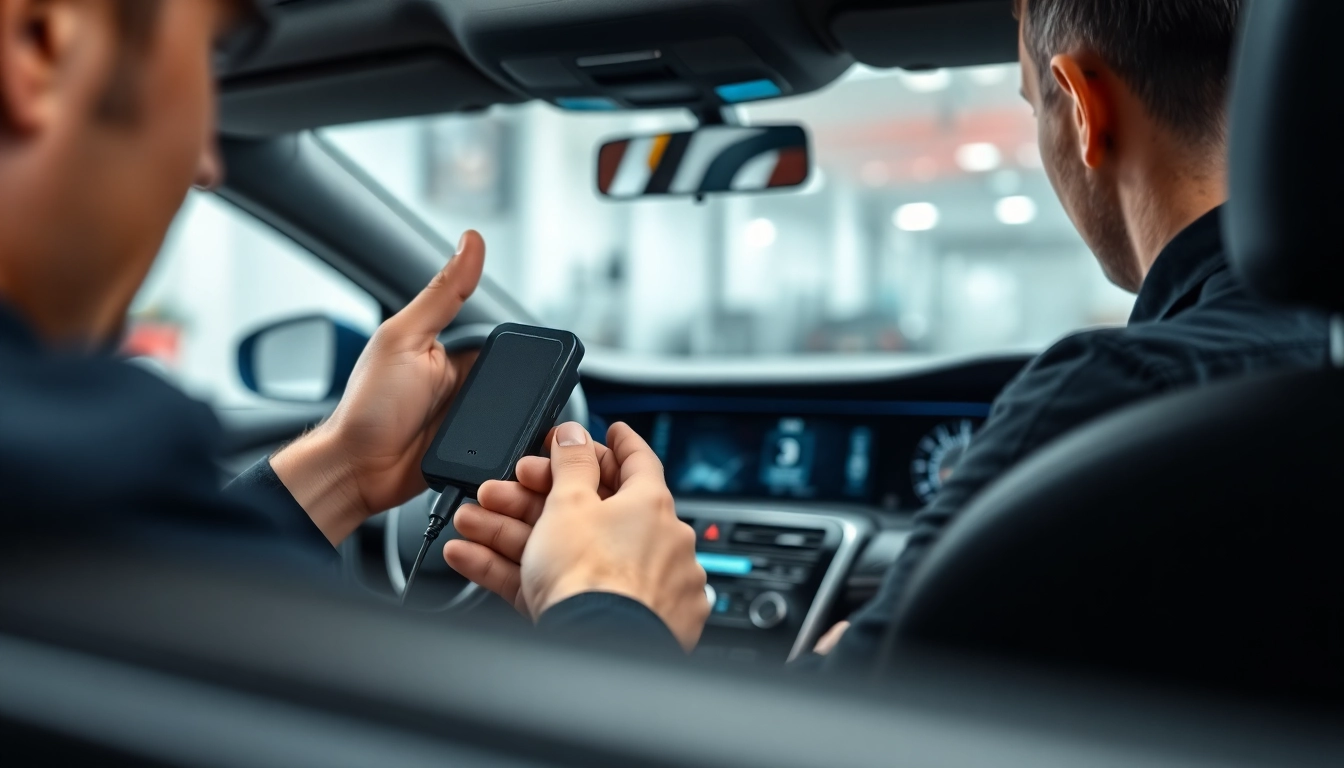
The Importance of Insurance Approved Trackers
Understanding Vehicle Security Needs
In today’s world, vehicle security is more critical than ever. Rising theft rates and increasing vehicle prices mean that protecting your investment should be a top priority. Insurance approved trackers are designed to provide an additional layer of security by ensuring that your vehicle can be tracked and potentially recovered if stolen. Understanding the need for effective vehicle security includes recognizing risks and responding with appropriate measures, such as installing a reliable tracking device that meets insurance requirements.
Benefits of Insurance Approved Trackers
Investing in insurance approved trackers comes with numerous benefits. Primarily, these devices provide peace of mind, knowing your vehicle is monitored in real-time. They also facilitate the recovery of stolen vehicles by providing location data to law enforcement. Moreover, many insurance providers offer discounts on premiums for vehicles equipped with approved tracking systems, making them financially advantageous as well.
Choosing the Right Tracker for Your Needs
Selecting an appropriate tracking device involves considering several factors. Not all trackers are approved by all insurance companies, making it essential to consult with your provider. Look for devices that offer features such as real-time tracking, alerts, and integration with your vehicle's security system. Assessing your individual needs, including the type of vehicle and usage patterns, can help in choosing the right tracker for optimal security.
How Insurance Approved Trackers Work
Tracking Technology Explained
Insurance approved trackers primarily utilize GPS (Global Positioning System) technology that allows for real-time location tracking. GPS trackers communicate with satellites to ascertain the vehicle's position, which is relayed to the owner's smartphone or a central monitoring service. Some advanced units also leverage cellular networks to transmit data, ensuring constant connectivity even when GPS signals are weak. Understanding these technologies is essential for assessing the effectiveness of a tracker.
Data Collection and Usage
These trackers collect crucial data that includes vehicle location, speed, and sometimes even driving behavior. This information is vital for insurance companies as it can help in determining driving patterns and assessing risk. However, it's essential to understand how your collected data is used, as it can impact your insurance premiums based on perceived risk levels.
Integration with Insurance Policies
Insurance approved trackers often integrate seamlessly with insurance policies, providing data that can validate claims in the event of theft. For instance, if a vehicle is reported stolen, the GPS data can help law enforcement in tracking and recovering the vehicle swiftly. This integration not only aids in quicker resolutions but can also lead to reduced premiums for the policyholder, making the tracker a smart investment.
Top Features to Look for in Insurance Approved Trackers
Real-time Location Tracking
Real-time location tracking is perhaps the most critical feature of any insurance approved tracker. This feature ensures that vehicle owners can access live data about their vehicle's whereabouts at any time. Many advanced trackers also offer historical data and route data, which can be beneficial for fleet management or simply for personal peace of mind.
Theft Recovery Capabilities
The primary purpose of an insurance approved tracker is to aid in the recovery of stolen vehicles. Look for trackers that not only provide real-time information but also focus on alerting owners about suspicious activities, such as unauthorized movement or tampering. These proactive features can significantly enhance the chances of recovering a vehicle before significant damage occurs.
User-friendly Interfaces and Apps
User experience is essential when dealing with technology. An intuitive app can make managing tracking data simple for users. Features such as easy-to-read dashboards, alert notifications, and customer support options contribute to a better experience. Select devices that prioritize usability to ensure you can efficiently monitor your vehicle's security.
Cost Considerations for Insurance Approved Trackers
Initial Purchase vs. Ongoing Costs
When considering insurance approved trackers, assess both the initial purchase price and ongoing fees. While some inexpensive options exist, they might lack essential features or reliability. Compare the long-term usefulness against ongoing subscription costs for services such as monitoring. Balancing these factors can help you find the best tracker for your budget without compromising quality.
Impact on Insurance Premiums
The installation of an insurance approved tracker can lead to lower insurance premiums. Insurers often view these devices favorably, as they reduce theft risk. As a result, policyholders may find that the savings on premiums offset the costs associated with the tracker, providing substantial financial benefit over time.
Potential Discounts and Savings
Many insurance providers offer discounts for vehicles equipped with insurance approved trackers. The percentage of savings can vary based on the insurer, but these discounts can range from 5% to 20%. It’s essential to consult your insurance provider to understand the potential savings available to you.
Frequently Asked Questions about Insurance Approved Trackers
1. Are insurance trackers worth the investment?
Many users find insurance trackers worth the investment due to potential premium reductions. They enhance vehicle security and can lead to money saved; however, balancing costs and privacy concerns is essential.
2. Can I install my own insurance approved tracker?
Some insurance approved trackers are designed for user installation, while others require professional installation to fulfill insurance requirements and ensure optimal performance. Always check the manual.
3. How does data from insurance approved trackers affect my premiums?
The data collected can help insurers identify safe driving behaviors. While this may lead to lowered premiums for responsible drivers, it might also impact claims negatively if it's perceived that driving patterns were risky.
4. What happens if my vehicle is stolen with a tracker?
If your vehicle is stolen, the tracker will provide real-time location data to law enforcement, significantly improving the chances of recovery. The faster the tracking information is relayed, the better the chances of a successful recovery.
5. Are there subscription costs associated with insurance approved trackers?
Many insurance approved trackers require monthly or annual subscription costs for monitoring services. Be sure to inquire about these costs when considering a tracker to understand the ongoing financial commitment.