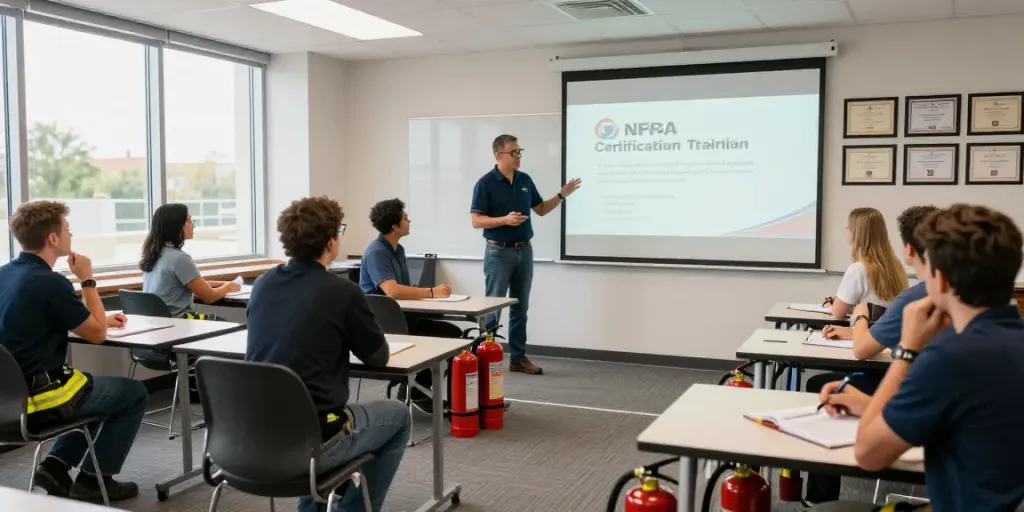
Understanding NFPA Certification Training
In an era where safety and compliance have become paramount across industries, the significance of NFPA Certification Training cannot be overstated. This training, provided by the National Fire Protection Association (NFPA), equips professionals with essential knowledge to enhance workplace safety, comply with fire safety standards, and manage risks effectively. As companies prioritize fire safety and emergency preparedness, understanding the nuances of NFPA Certification Training becomes increasingly vital for career growth and organizational safety management.
Organizations seeking to ensure their employees are proficiently trained in fire safety benefit immensely from partnering with official providers. NFPA Certification Training offers a path to developing critical competencies that align with global safety standards.
What is NFPA Certification Training?
NFPA Certification Training encompasses a range of courses designed to enhance fire safety knowledge and compliance with current fire protection standards. These training programs cover various topics, including fire prevention, electrical safety, emergency response, and risk management. The NFPA provides a structured framework that guides organizations on best practices, ensuring a safe working environment.
Importance of Fire Safety Standards
Fire safety standards are essential not only for regulatory compliance but also for protecting lives and property. NFPA standards serve as a benchmark for fire safety practices globally. By adhering to these standards, organizations can significantly reduce the risk of fire hazards, ensuring a safer workplace for employees and the surrounding community.
Who Should Pursue NFPA Certification?
NFPA Certification is beneficial for a wide array of professionals, including safety officers, facility managers, engineers, and anyone involved in fire protection or emergency management. Those aspiring to advance their careers in safety management will find that NFPA Certification not only enhances their credibility but also improves their job prospects in various industries.
Types of NFPA Certification Courses
The NFPA offers multiple certification paths, each tailored to different specialties within the field of fire safety. Organizations can choose from certifications that focus on specific areas such as:
- Fire Protection Systems
- Electrical Safety
- Building and Life Safety
- Industrial and Chemical Hazards
Available NFPA Certifications and Their Benefits
Some of the key certifications available include:
- Certified Fire Protection Specialist (CFPS): This certification prepares professionals to address fire protection needs across various sectors.
- Certified Fire Inspector: Focused on building inspections, this certification ensures that professionals can effectively evaluate fire safety measures.
- Certified Life Safety Specialist (CLSS): This certification is essential for those responsible for creating and maintaining safety standards in facilities.
Each certification comes with unique advantages, providing professionals with the validation needed to showcase their expertise to employers and clients.
In-Person vs Online NFPA Certification Training
Organizations can choose between in-person and online training options based on their needs. In-person training allows for hands-on learning, fostering interaction between instructors and participants. Meanwhile, online training offers flexibility, accommodating varied schedules and enabling participants to learn at their own pace. Both formats come with distinct benefits, catering to different learning styles and organizational requirements.
Customizing Training for Your Organization
One significant advantage of partnering with NFPA authorized training providers is the ability to customize training content. Burraq Business Consulting, for example, can tailor training programs to address specific challenges faced by your organization, ensuring maximum relevance and impact. This customization can include industry-specific scenarios, allowing employees to engage with training material that directly applies to their work environment.
Key Features of Effective NFPA Certification Training
Effective NFPA Certification Training encompasses several critical features that enhance the overall learning experience. These attributes ensure that trainees are well-prepared to implement fire safety practices effectively.
Expert Instructors and Their Credentials
Courses are delivered by instructors who hold esteemed NFPA certifications and possess extensive industry experience. Their practical knowledge enhances the training experience by providing insights into real-world applications of safety standards.
Hands-On Learning Components
Incorporating hands-on learning components is crucial for effective training. Practical exercises, simulations, and case studies help reinforce theoretical knowledge, ensuring that employees can apply what they have learned in actual emergency situations.
Resources and Materials Provided During Training
Participants in NFPA Certification Training receive comprehensive resources, including handbooks, online modules, and access to NFPA’s extensive digital library. These materials serve as valuable references, helping professionals stay informed about the latest standards and best practices in fire safety.
Evaluating Training Providers for NFPA Certification
Choosing the right training provider is essential for organizations looking to implement NFPA Certification training effectively. Here are some key considerations to ensure you select a reputable provider:
How to Assess an NFPA Authorized Training Provider
When assessing potential training providers, verify their authorization status with the NFPA. This status confirms they meet the necessary standards and provide training that aligns with NFPA guidelines. Additionally, consider the provider’s track record and feedback from past clients.
Comparing Costs and Value of NFPA Training
While cost is a significant factor, it’s essential to evaluate the overall value of the training provided. Compare the quality of training, certifications offered, and additional resources included to ensure a worthwhile investment. Sometimes, paying a higher initial fee can lead to better outcomes and return on investment through enhanced safety practices.
Real-World Testimonials and Success Stories
Seek testimonials and success stories from previous clients to gauge the effectiveness of the training provider. Real-world examples can illustrate how NFPA certification has positively impacted organizations in terms of compliance, safety, and risk management.
Future Trends in Fire Safety Training and Certification
As industries evolve, fire safety training is adapting to meet emerging challenges. The need for NFPA Certification will continue to grow as more organizations recognize the importance of comprehensive fire safety protocols.
The Growing Demand for NFPA Certification in Various Industries
Sectors such as manufacturing, healthcare, and construction are increasingly prioritizing fire safety, driving demand for NFPA Certification. This trend highlights the recognition that a well-trained workforce is vital to mitigating fire hazards and enhancing overall safety.
Innovations in Fire Safety Training Methods
With technological advancements, fire safety training methods are becoming more innovative. Virtual reality (VR) simulations and interactive e-learning modules are increasingly being utilized, providing immersive experiences that enhance learning and retention. These innovations will shape the future landscape of fire safety education.
Preparing for Upcoming Changes in NFPA Standards
The NFPA regularly updates its standards to reflect new findings and technologies. Staying abreast of these changes is crucial for organizations aiming to maintain compliance and ensure their safety practices are up to date. Ongoing training will be essential to adapt to these evolving standards effectively.
How do I become NFPA certified?
To become NFPA certified, candidates must complete the required training courses and pass the corresponding certification examination. Each certification may have specific prerequisites, so it’s imperative to review the requirements before enrolling.
Are NFPA certifications worth it?
Yes, NFPA certifications are highly regarded in the industry. They validate your expertise in fire safety, enhance job prospects, and demonstrate a commitment to ongoing professional development in safety practices.
How long does it take to get NFPA certification?
The duration to obtain NFPA certification varies depending on the certification type and the training format chosen. Online courses may offer more flexibility, while in-person training could require a more defined schedule.
How much does NFPA certification training cost?
Costs for NFPA certification training can vary widely based on the provider, course length, and training format. Organizations should compare several providers to determine the best fit for their budget while ensuring quality training.
What are the prerequisites for NFPA certification?
Prerequisites for NFPA certification differ by course. Some certifications may require a minimum number of hours in relevant training or work experience in the fire safety field.