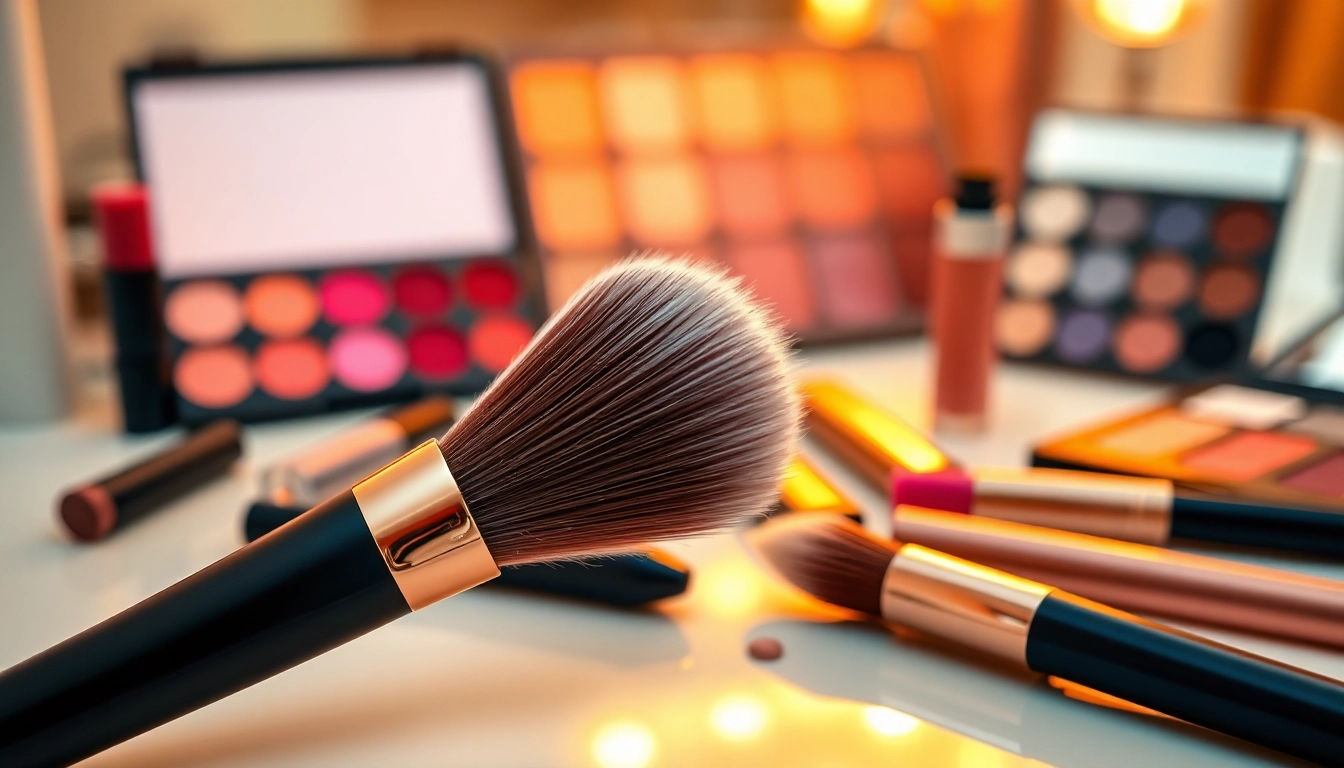
Understanding the Angled Makeup Brush
Definition and Design Features
An angled makeup brush is a versatile tool in the beauty industry, designed specifically for various makeup applications. Characterized by its slanted bristles, this brush allows for precise control and is perfect for tasks such as contouring and blending. Typically, the brush bristles are made from high-quality synthetic fibers or natural hair, which influence the softness and performance of the brush. The unique angle of the brush not only aids in easy maneuverability but also helps achieve a flawless application, whether it’s for makeup on the eyes, lips, or face. With its specialized design, angled makeup brush becomes an essential tool for both beginners and professionals alike.
Benefits of Using an Angled Makeup Brush
The angled makeup brush offers several significant advantages that enhance the makeup application experience. First and foremost, its angle allows for more precise application compared to traditional brushes. This is particularly beneficial for defining areas like the cheekbones when applying contour or highlighting products. Additionally, the slanted shape reduces the chances of over-application, as it selectively deposits product only where needed.
Moreover, angled brushes enhance blending capabilities. The brush can seamlessly transition between different products, ensuring a natural and fluid finish. Users appreciate that it can be used for multiple applications—from applying eyeshadow in the crease to blending in liquid foundation. This multipurpose nature of the angled makeup brush maximizes its value in any makeup kit.
Common Uses in Makeup Application
Angled makeup brushes are known for their versatility, finding a place in numerous makeup routines:
- Eyeshadow Application: Ideal for depositing color on the eyelids, particularly in the crease where definition is needed.
- Contour and Highlight: Perfect for contouring the cheeks, nose, and jawline, allowing for precision in highlighting key areas.
- Brow Definition: Works well for applying brow products, creating a defined and polished brow shape.
- Liner Application: Used effectively for a smudged eyeliner look or applying gel eyeliner smoothly along the lash line.
How to Choose the Right Angled Makeup Brush
Factors to Consider: Material and Shape
When selecting an angled makeup brush, it’s essential to consider the material and shape. Brush bristles can be synthetic or natural. Synthetic fibers are generally more versatile, designed to work well with liquid and cream products. Natural hair, however, can provide a softer finish and is often favored for powder products.
The brush shape also plays a crucial role. Wider angles are great for larger areas like the cheeks, while tighter angles are suitable for delicate areas like the eyes or brow. It's important to assess the intended use of the brush to select the one that best fits individual needs.
Size Matters: Finding Your Perfect Fit
The size of the angled makeup brush influences its functionality. A smaller brush allows for more detail and precision, making it easier to reach smaller areas, while a larger brush can cover more surface area quickly. Testing a few sizes can help determine personal preferences and optimal usage depending on facial contours and makeup styles.
Examining User Reviews and Ratings
Before making a purchase, taking the time to examine user reviews and ratings can offer invaluable insights. Reviews often touch upon the longevity of the brush, ease of cleaning, and overall performance. Look for brushes that consistently receive high ratings for their ability to apply makeup evenly and withstand regular wear.
Techniques for Perfect Application
Using Angled Brushes for Eyeshadows
To effectively use an angled makeup brush for eyeshadow, start by loading the brush with a small amount of product. Apply it in an upward motion into the crease of the eye, using the angle to follow the natural shape of the eyelid. For a seamless blend, use gentle back-and-forth motions while gradually building on color intensity.
Blending Techniques with Angled Brushes
Blending is a critical step in makeup application. To achieve a flawless look with an angled brush, utilize short, gentle strokes, moving outward from the center of the area being blended. This technique allows for an even distribution of product and avoids harsh lines. Additionally, switching between the brush's tapered edge and flat side can enhance the blending process.
Creating Defined Contours on the Face
For contouring, using the tip of the angled brush, apply contour products to the hollows of the cheeks, sides of the nose, and jawline. The brush’s angle permits precision in placement while its width helps soften the color for a natural look. A gentle sweeping motion can help in blending out harsh lines, resulting in beautifully sculpted features.
Maintenance Tips for Longevity
Cleaning Your Angled Makeup Brush
Regular cleaning is vital for maintaining the quality and longevity of an angled makeup brush. Use a gentle brush cleanser or mild soap with warm water, ensuring to wash the bristles without letting the base of the brush soak. After washing, gently reshape the bristles and lay flat to dry, preventing water from seeping into the ferrule.
Proper Storage Practices
Storing your angled brushes properly will extend their lifespan. Use brush holders or containers that prevent bristles from being crushed. Avoid leaving brushes in damp areas, which can lead to mold or bacteria growth. Keeping brushes organized and clean not only protects the bristles but also maintains hygiene for your makeup routine.
Signs Your Brush Needs Replacement
It's essential to be aware of signs indicating it's time to replace your angled makeup brush. If the bristles start to lose their shape, feel scratchy against the skin, or shed frequently, these are clear indicators of wear. A diminished performance in makeup application is another signal that the brush may need to be retired.
FAQs about Angled Makeup Brushes
Are angled brushes better for specific makeup?
Yes, angled brushes excel when defining eyes, cheeks, and blending edges, allowing for precision and control.
Can an angled brush be used for foundation?
Absolutely! An angled makeup brush is ideal for blending foundation and creams to achieve a smooth finish on the skin.
How do I clean my angled makeup brush?
Use gentle soap and warm water to clean the bristles. Rinse thoroughly, reshape, and let them air dry flat for best results.
What material is best for angled makeup brushes?
Soft synthetic fibers or natural hair work well; synthetic options are generally preferred for liquid makeup products.
How often should I replace my angled makeup brush?
Replace your angled makeup brush every 6-12 months based on usage frequency and overall condition for optimal performance.