Understanding the Square Breathing Technique
What Is Square Breathing?
The square breathing technique, also known as box breathing, is a powerful breathing exercise that aims to promote relaxation and reduce stress. This technique involves inhaling, holding, exhaling, and holding your breath again, each for a count of four. This structured approach allows the individual to harness control over their breathing, which can lead to improved focus and emotional regulation. Square breathing is often utilized by individuals in high-stress occupations, athletes, and anyone looking to enhance their mental state or physical performance.
Benefits of Square Breathing
The benefits of square breathing are vast and varied. First and foremost, this technique promotes deep relaxation by engaging the parasympathetic nervous system, which counteracts the effects of stress. Below are some of the key benefits:
- Reduces Anxiety: Engaging in square breathing can significantly lower anxiety levels by shifting focus away from stressors.
- Improves Concentration: Regular practice helps improve focus, making it a favorite among professionals and students alike.
- Enhances Emotional Regulation: The rhythmic nature helps in better managing emotions, which can be crucial during high-pressure situations.
- Promotes Physical Relaxation: By slowing the heart rate and regulating blood pressure, square breathing induces a state of physical calm.
- Facilitates Better Sleep: As a relaxation technique, it can aid in winding down at the end of the day, promoting restful sleep.
How It Works
Square breathing works on the principle of controlled breath, which influences both mind and body. Each phase—inhale, hold, exhale, and hold—serves a unique purpose:
- The inhale expands the lungs and increases oxygen supply to the body, energizing and revitalizing.
- The hold allows the body to utilize the oxygen more effectively, promoting calmness.
- The exhale releases carbon dioxide and toxins, further relaxing the body.
- The second hold fosters an appreciation for stillness, allowing both the mind and body to recalibrate.
How to Perform the Square Breathing Technique
Step-by-Step Guide
To effectively perform the square breathing technique, follow these detailed steps:
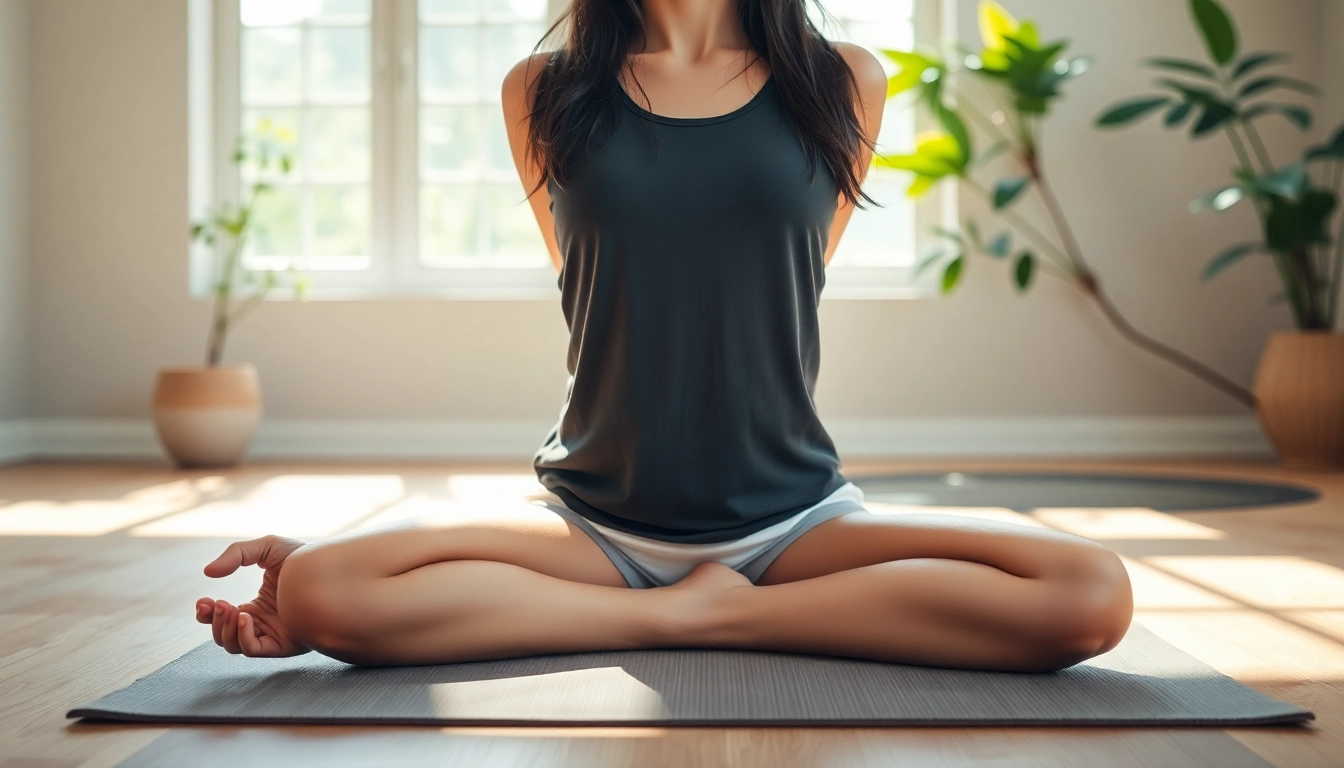
- Start by finding a comfortable seated position, ensuring your back is straight and shoulders relaxed.
- Close your eyes to eliminate distractions and take a moment to relax.
- Inhale deeply through your nose for a count of 4, allowing your chest and abdomen to expand.
- Hold your breath for another count of 4, focusing on the stillness.
- Exhale slowly through your mouth for a count of 4, releasing all tension.
- Hold your breath once again for a count of 4, preparing for the next inhale.
- Repeat this cycle for 5-10 minutes, gradually increasing the duration as you become more comfortable.
Tips for Effective Practice
To enhance your square breathing practice, consider these tips:
- Consistent Timing: Try to practice at the same time each day to establish a routine.
- Quiet Environment: Choose a quiet place to minimize distractions and help you focus.
- Mindfulness: Think about each counting phase, and let go of thoughts that arise during practice.
- Visualize: Consider picturing a square in your mind as you breathe, reinforcing the rhythm.
- Stay Patient: It might take some time to master the technique; don’t rush the process.
Common Mistakes to Avoid
While practice is key, avoid these common pitfalls:
- Rushing: The aim is to slow down the breathing process, so avoid speeding through the counts.
- Shallow Breathing: Ensure your breaths are deep and full; shallow breaths can reduce effectiveness.
- Focusing Too Much on Duration: Instead of stressing over exact counts, focus on the quality of your breathing.
- Forgetting to Relax: If you're too tense, your breath will reflect that. Remember to relax your muscles.
- Ignoring Physical Signals: If you feel dizzy or uncomfortable, stop and return to normal breathing.
Incorporating Square Breathing in Daily Life
Integrating into Work Stress Management
Incorporating square breathing into your workday can be transformative. Start meetings with a quick 2-minute session to clear minds and promote focus. Set reminders to practice during breaks, especially when feeling overwhelmed. You can also use square breathing as a tool to reset and refocus during high-pressure tasks, allowing for improved productivity.
Using Square Breathing for Better Sleep
Struggling with insomnia or racing thoughts at night? Implementing square breathing can significantly enhance your ability to wind down. Establishing a night-time routine that includes square breathing before bed can signal to your body that it's time to relax. Aim for 5-10 minutes of square breathing to calm the mind, reduce anxiety, and prepare for deep, restful sleep.
Enhancing Athletic Performance
Athletes can greatly benefit from square breathing before and after training sessions. Utilizing this technique before competition can help center focus and reduce pre-game jitters. Post-training, square breathing aids in recovery by promoting relaxation and minimizing muscle tension. It can also be integrated into meditation practices for athletes to enhance their overall mental fortitude and resilience.
Performance Metrics for Square Breathing
Measuring Stress Reduction
To evaluate the effectiveness of square breathing in reducing stress, individuals can use various methods, such as stress journals, heart rate monitors, and self-reported anxiety scales. Keeping track of subjective feelings of stress or anxiety levels before and after consistent practice can also enlighten users on its impact.
Tracking Emotional Well-being
To assess emotional well-being, consider using mood tracking apps or journaling methods that note emotional fluctuations throughout the day. By correlating these records with your square breathing practice, patterns in mood elevation can be identified, helping to solidify the benefits of routine practice.
Evaluating Breathing Patterns
Regularly monitoring your breathing patterns can offer insights into the efficacy of your practice. Consider using a breathing coach app or wearable device to track your respiratory rate, depth, and rhythm. A focus on improved breathing metrics can serve as positive reinforcement and motivate continued practice.
Frequently Asked Questions About Square Breathing
What is the ideal duration for square breathing?
The ideal duration for square breathing varies; however, starting with 5-10 minutes is recommended for beginners. Gradually, you can extend the duration as you become more comfortable with the technique.
Can square breathing help with anxiety?
Yes, square breathing can help reduce anxiety levels by promoting relaxation, increasing mindfulness, and redirecting focus away from stressors.
Is square breathing suitable for beginners?
Absolutely! Square breathing is an excellent technique for beginners, as it provides a structured approach to regulate breathing and manage stress.
How often should I practice square breathing?
For best results, practice square breathing daily. Integrating it into your routine can maximize its benefits, particularly during high-stress situations.
Are there any contraindications for square breathing?
Square breathing is generally safe for most individuals. However, those with breathing disorders or significant health concerns should consult a healthcare professional prior to practicing.
Contact Information
Call Us:+92-3241617642