
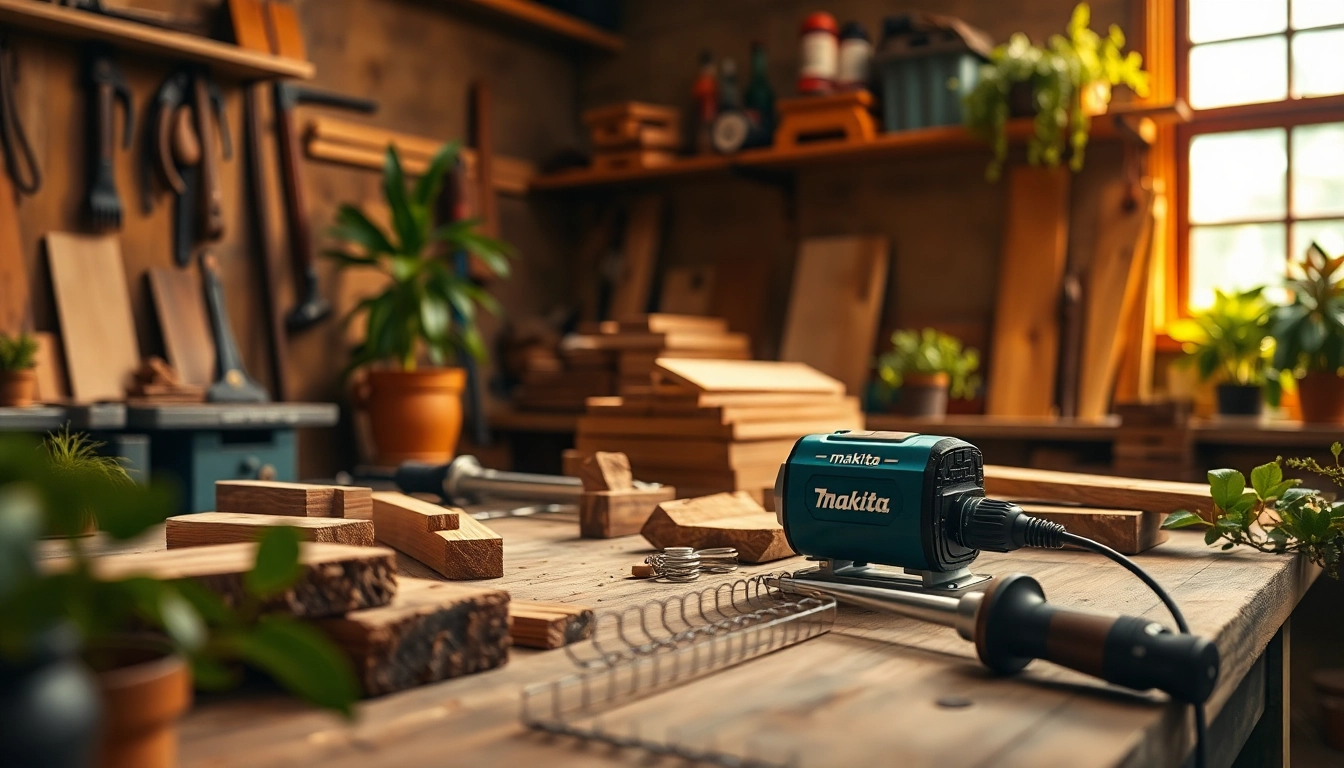
Introduction to Makita Flipper
The makita flipper is a versatile tool tailored for those who demand precision in their woodworking projects. This innovative flip-over saw has gained traction among both amateur woodworkers and seasoned professionals due to its ability to seamlessly transition between a table saw and a mitre saw, offering excellent functionality in a compact design. In this guide, we will delve deep into the specifications, usage techniques, safety measures, and even advanced project ideas to maximize the potential of your Makita flipper.
What is the Makita Flipper?
The Makita flipper, specifically the LF1000 model, is a 1650W flip-over saw designed to provide users with the flexibility to perform a wide range of cutting tasks. Designed for efficiency, it allows users to make clean cuts across various materials, including wood and laminate, by simply flipping the saw from one mode to another. The ability to switch between table and mitre saw functionalities without extensive setup makes it an essential piece of equipment for any workshop.
Key Features of the Makita Flipper
- Powerful Motor: The 1650W motor delivers reliable performance, ensuring that no job is too tough.
- High Sawing Capacity: With a blade diameter of 260mm, users can cut through larger pieces of material, enhancing productivity.
- Easy Transition: Switching between table and mitre saw modes is quick and effortless, enabling users to adapt to various cutting tasks.
- Adjustable Angle Cuts: Users can easily adjust the cutting angles, allowing for complex and precise designs.
- Robust Build Quality: Designed with durability in mind, the Makita flipper is built to withstand the rigors of professional use.
Why Choose Makita Flipper?
Choosing the Makita flipper means investing in a tool that embodies efficiency and versatility. Its ease of use and adaptability make it a preferred choice for those working in various environments, from casual home projects to professional workshop settings. Its reputation for reliability means that when you reach for your Makita flipper, you can trust it to deliver high-quality results time after time.
Setting Up Your Makita Flipper
Assembly Tips for Beginners
Setting up your Makita flipper is relatively straightforward, thanks to its user-friendly design. Start by consulting the manual provided with your saw to familiarize yourself with the components. Here are some quick tips:
- Lay out all parts and ensure none are missing.
- Use the appropriate tools for assembly; a screwdriver and a wrench are typically sufficient.
- Follow the assembly diagram closely and tighten all screws securely to ensure stability during operation.
Understanding Controls and Settings
The controls of the Makita flipper are designed for intuitive operation. Familiarize yourself with the switch that changes between saw modes, the angle adjustment mechanism, and the blade height adjustment feature. Spend some time practicing these adjustments without any material to build confidence before starting with actual cuts.
Safety Measures for Operating Makita Flipper
Safety should always be your top priority when operating power tools. Here are essential safety measures to ensure a secure working environment:
- Always wear appropriate personal protective equipment (PPE), including safety goggles, ear protection, and gloves.
- Ensure the saw is placed on a stable surface with ample space around it for safe maneuverability.
- Disconnect the power supply when changing blades or making adjustments to the saw.
- Always inspect the saw for any damage or wear before use to prevent accidents.
Techniques for Optimal Use of Makita Flipper
Essential Cutting Techniques
To get the most out of your Makita flipper, mastering essential cutting techniques is fundamental. Here are some common cuts you will perform:
- Cross Cutting: Align the material against the fence for accurate cross cuts.
- Rip Cuts: Set the depth appropriately and maintain steady pressure as you push the material through.
- Bevel Cuts: Adjust the angle settings for precision cuts at various angles, particularly useful for framing and trim work.
Adjusting Angles and Depth for Precision
One of the standout features of the Makita flipper is its adjustable cut depth and angle. Understanding how to make these adjustments will significantly enhance your accuracy:
- Use the angle adjustment lever to set the desired angle for angled cuts.
- For depth control, turn the height adjustment wheel until the blade reaches the surface of the material to be cut.
- Always test cuts on scrap material when experimenting with new settings.
Maintaining Your Makita Flipper for Best Performance
Regular maintenance is crucial to keep your Makita flipper in optimal condition. Here are some key maintenance practices:
- Keep the blade sharp; dull blades can produce poor cuts and put undue stress on the motor.
- Clean the saw after use to remove any dust and debris.
- Inspect and lubricate moving parts regularly to prevent wear and ensure smooth operation.
- Check the power cord for damage and replace if necessary to avoid shock hazards.
Advanced Projects with Makita Flipper
Crafting Unique Wood Designs
The versatility of the Makita flipper allows woodworkers to create unique, intricate designs. Using a combination of bevel and cross cuts, you can build decorative boxes, custom furniture pieces, and artistic paneling for your home. Combining these techniques will help showcase your creativity and improve your craftsmanship.
Combination Cuts for Versatile Applications
For those looking to expand their project capabilities, combination cuts—such as miter and bevel cuts—are advanced techniques that can achieve complex angles and profiles. This allows for detailed joinery and intricate designs, such as crown moldings and furniture accents. Mastering these cuts will open up a new realm of possibilities for your projects.
Innovative Uses Beyond Basic Cutting
The Makita flipper isn't just limited to standard cuts. Many users have found innovative ways to utilize this tool for various applications, including:
- Creating jigs for repetitive cuts, enhancing efficiency in production.
- Using it in DIY home improvement projects like cabinetry and shelving.
- Experimenting with different types of materials, such as plastics and composites, showcasing its versatility.
FAQs About Makita Flipper
What materials can I cut with the Makita Flipper?
The Makita flipper is capable of cutting various materials, including hardwood, softwood, MDF, laminate, and some plastics. However, always refer to the manufacturer's guidelines regarding material specifications to avoid damage to the blade.
How do I maintain the Makita Flipper?
Regular maintenance involves cleaning the saw after each use, sharpening or replacing the blade as necessary, and performing routine inspections of all components. Good maintenance practices will ensure the longevity and performance of your tool.
Is the Makita Flipper suitable for beginners?
Yes, the Makita flipper is designed for user-friendliness, making it a great choice for beginners. Its intuitive controls and versatility offer learning opportunities for new users, particularly those looking to expand their skills in woodworking.
What are common troubleshooting tips for the Makita Flipper?
Common issues include the blade not cutting properly, which can usually be resolved by checking the sharpness of the blade or the tightness of the fence. If the motor does not start, check for power supply connections. Consulting the user manual can provide additional troubleshooting guidance.
Where can I find replacement parts for the Makita Flipper?
Replacement parts can typically be found at authorized Makita dealers or online marketplaces. It is important to ensure you are purchasing genuine Makita parts to maintain tool integrity.
In summary, mastering your Makita flipper offers a gateway to enhanced woodworking capabilities and creative projects. By understanding its features, following safe operating practices, and employing advanced techniques, you will make the most of this invaluable tool. For more tools and resources to enhance your woodworking experience, visit Mister Worker, where you can find a range of Makita products and accessories to complement your toolkit.