Introduction to AI Video Analytics
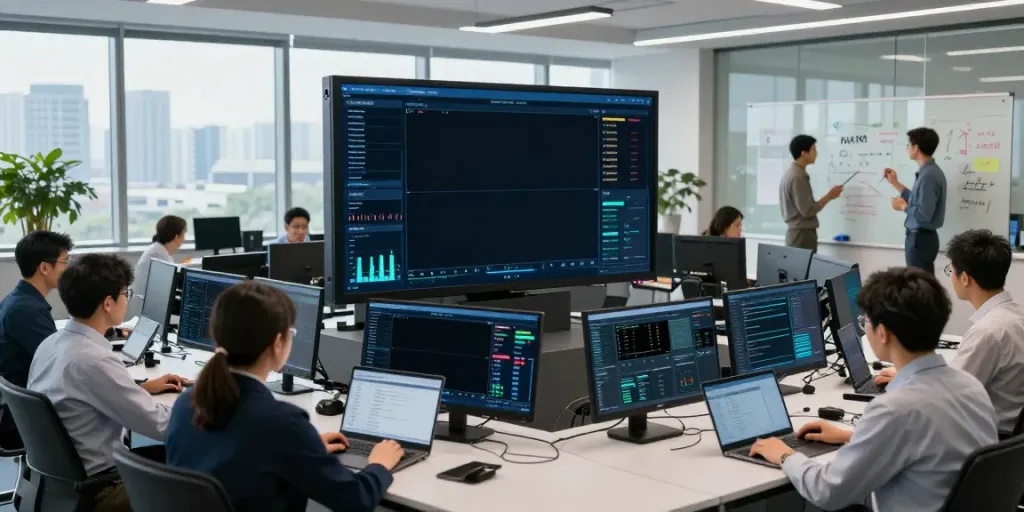
As we continue to embrace the digital revolution, the demand for advanced surveillance systems has surged. At the forefront of this evolution is AI video analytics, a technology that integrates artificial intelligence with video monitoring to transform vast amounts of footage into actionable insights. In a world increasingly reliant on data, understanding how AI video analytics works and its potential applications is crucial for many industries.
Defining AI Video Analytics
AI video analytics refers to the application of machine learning algorithms and artificial intelligence to analyze video footage in real-time. This technology identifies and interprets patterns, anomalies, and events within video data, enabling systems to detect changes in their environment automatically. Unlike traditional surveillance systems that rely solely on human monitoring, AI video analytics can process data at scale, making it a more efficient and effective alternative.
Importance in Modern Surveillance
The importance of AI video analytics in modern surveillance cannot be overstated. With the exponential growth of data generated from video feeds, organizations require smarter tools to sift through this information. AI capabilities improve response times by analyzing events as they occur and providing alerts that help security personnel react promptly. Furthermore, its predictive analytics capabilities can provide insights into potential threats, making it a vital asset for enhancing security measures across various sectors.
Key Features and Technologies
AI video analytics come equipped with several notable features:
- Real-time analysis: Instantaneous processing of video feeds allows for immediate detection and response to incidents.
- Pattern recognition: Algorithms are designed to recognize and learn from specific behaviors or events, improving accuracy over time.
- Integration: Ability to integrate with other security systems, such as alarms and access control systems, enhancing overall security infrastructure.
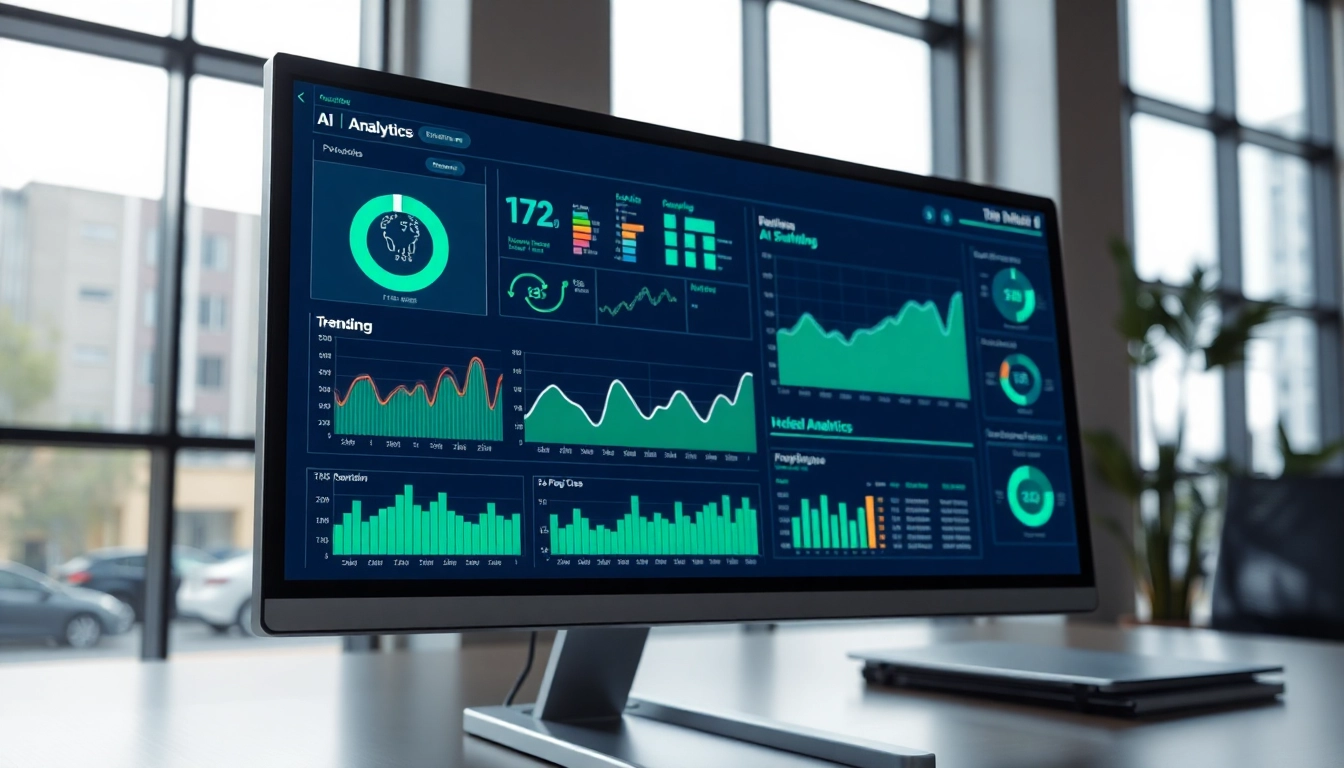
- Data visualization: Provides comprehensive dashboards and reports, allowing stakeholders to see trends and patterns in data easily.
Applications of AI Video Analytics
While the potential applications for AI video analytics are vast, certain sectors are leveraging this technology more prominently than others.
Security and Surveillance Enhancements
Security is perhaps the most recognized application of AI video analytics. With the ability to monitor multiple feeds simultaneously, these systems can identify suspicious behaviors, flag potentially dangerous situations, and even follow individuals of interest across different camera angles. By immensely reducing the burden on human operators, AI enhances situational awareness and allows security teams to focus on critical incidents.
Retail and Customer Behavior Analysis
In the retail sector, AI video analytics is employed to understand customer behavior. By analyzing foot traffic patterns and demographic data drawn from video feeds, stores can optimize layouts, improve staff allocation, and target marketing efforts better. This intelligence helps increase sales and improve the customer experience, making retail environments more intelligent and responsive to consumer needs.
Traffic Management and Monitoring
AI video analytics holds significant promise in traffic management and urban planning. By using video feeds from traffic cameras, transportation agencies can analyze traffic flow, detect incidents, and assess road conditions, enhancing the efficiency of public transportation systems and overall traffic management. The real-time data collected can inform decisions about infrastructure development, traffic light sequencing, and incident management.
Implementing AI Video Analytics Solutions
For organizations considering AI video analytics, understanding the implementation process is crucial for maximizing the benefits of this technology.
Choosing the Right Tools and Platforms
Choosing the appropriate AI video analytics tool hinges on several factors, including the organization's specific needs, scale of operation, and existing infrastructure. Potential users should evaluate various platforms based on their feature sets, user-friendliness, scalability, and integration capabilities with other systems.
Integrating with Existing Systems
Seamless integration of AI video analytics within existing security networks is vital for a smooth transition. Organizations must ensure that the new solution can communicate effectively with current hardware and software systems, such as CCTV cameras and alarm systems. This may involve software customizations or additional middleware to facilitate data sharing.
Staff Training and Best Practices
Training employees to utilize AI video analytics effectively is essential. Staff should be familiar with the specific capabilities of the chosen system, including how to interpret data and respond to alerts. Additionally, regular training sessions can keep teams updated with new features and best practices for ongoing security optimization.
Performance Metrics and Evaluation
To ensure that AI video analytics solutions deliver the expected results, organizations must establish performance metrics and conduct regular evaluations.
Measuring Effectiveness of AI Video Analytics
Effectiveness can be measured through key performance indicators (KPIs) such as response times to incidents, false alarm rates, and improvements in security outcomes. Organizations should have clear objectives in place before deployment to track whether these objectives are met post-implementation.
Common Challenges and Solutions
Despite its advantages, implementing AI video analytics can be fraught with challenges. Data privacy concerns frequently arise due to the volume of personal information collected. To mitigate these concerns, organizations must comply with local data protection regulations and be transparent with clients about how data is being utilized. Additionally, ensuring reliable internet connectivity and sufficient processing power is crucial to support real-time analytics.
Future Trends in Video Analytics
The future of AI video analytics is poised for growth, with improvements in machine learning and artificial intelligence leading to even greater capabilities. Expect advancements in facial recognition technology, enhanced prediction models for behavioral analysis, and augmented reality features that will provide interactive data overlays in real-time. These innovations will further revolutionize how organizations utilize video surveillance data.
FAQs about AI Video Analytics
What is AI video analytics?
AI video analytics combines artificial intelligence and video surveillance to analyze footage in real-time, enabling detection of patterns and events as they happen.
How does AI video analytics improve security?
AI video analytics enhances security by providing real-time alerts, reducing response times, and enabling faster identification of suspicious activities or threats.
What technologies are involved in AI video analytics?
Key technologies include machine learning algorithms, deep learning, computer vision, and automated data processing to analyze video footage accurately.
Can AI video analytics be used in retail?
Yes, AI video analytics is utilized in retail for analyzing customer behavior, optimizing store layouts, enhancing marketing strategies, and improving sales outcomes.
What are common challenges in implementing AI video analytics?
Common challenges include data privacy concerns, integration with existing systems, ensuring data accuracy, and maintaining reliable internet and processing capacity.