Understanding Pool Enclosure
What is a Pool Enclosure?
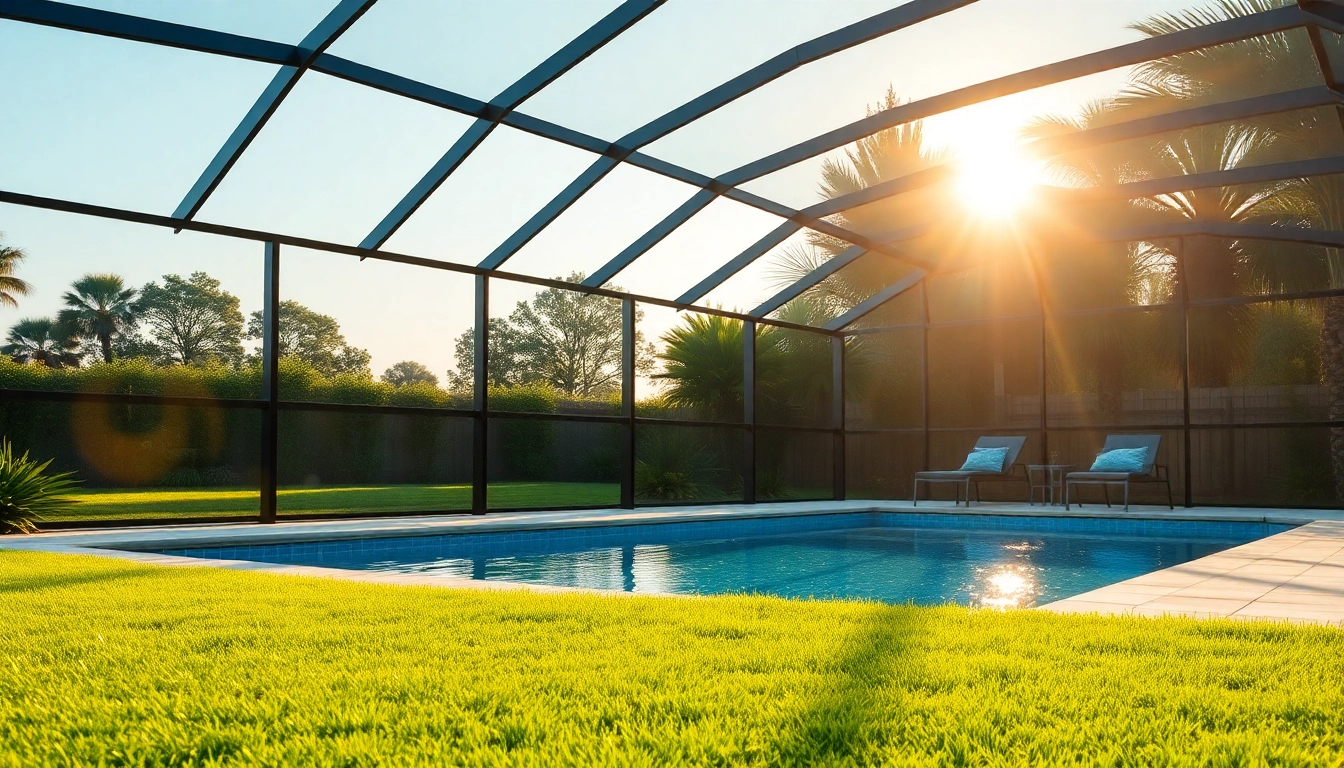
A Pool Enclosure serves as a protective barrier around your swimming pool, offering several advantages that go beyond mere aesthetics. These structures can be constructed from a variety of materials and serve to extend the usability of your pool, keeping debris and pests out while providing safety to children and pets. A well-designed enclosure seamlessly integrates into your outdoor space, enhancing its beauty while creating a safe and enjoyable environment.
Types of Pool Enclosure
There are several types of pool enclosures, each designed to fit different needs and preferences:
- Screen Enclosures: These are typically made from aluminum frames and fiberglass screens. They allow sunlight and airflow while preventing debris and insects from entering the pool area.
- Glass Enclosures: These enclosures provide a modern look while offering excellent visibility and shelter. They are constructed from tempered glass, which is highly resistant to impact and weather.
- Retractable Enclosures: These structures can be opened or closed depending on the weather or personal preference. They offer the flexibility of enjoying open-air swimming while still providing protection when needed.
- Inflatable Enclosures: An economical option, inflatables can be set up quickly and easily, making them a popular choice for temporary use.
Benefits of Pool Enclosure
Investing in a Pool Enclosure can yield numerous benefits:
- Extended Swimming Season: Enclosures help maintain temperature, allowing for year-round swimming regardless of outside conditions.
- Reduced Maintenance: By keeping debris out, the frequency of cleaning is greatly reduced, saving time and effort.
- Increased Safety: Enclosures act as a barrier, preventing accidental entries by children and pets.
- Energy Efficiency: Enclosures can decrease heating costs by retaining heat in the water and reducing evaporation.
Choosing the Right Pool Enclosure
Factors to Consider
When selecting a pool enclosure, consider the following factors:
- Budget: Costs can vary significantly based on materials and design. Determine your budget early on to guide your choices.
- Climate: If you live in an area prone to severe weather or high winds, a robust and durable enclosure is essential.
- Aesthetic Appeal: The design should complement your existing landscape and home architecture.
- Accessibility: Consider how easily you can enter and exit the pool area, especially if you have children or elderly members in your family.
Common Materials Used
Different materials cater to various tastes and practical needs:
- Aluminum: Lightweight and resistant to corrosion, aluminum is a popular choice for frame construction.
- Polycarbonate: This material is both strong and lightweight, offering excellent insulation properties.
- Fiberglass: Used primarily for screen enclosures, fiberglass is durable and requires little maintenance.
Cost Implications
Understanding the cost of a pool enclosure is crucial for decision-making. Prices can range from a few thousand dollars for basic screen enclosures to tens of thousands for customized glass installations. Factors impacting cost include:
- Size of the enclosure
- Material quality
- Complexity of design
- Professional installation versus DIY
Installation Process of a Pool Enclosure
Preparation Steps
Before installation, thorough planning and groundwork are essential:
- Permitting: Check local regulations to ensure compliance with zoning laws and building codes.
- Site Assessment: Evaluate the area for obstructions or challenges like uneven terrain.
- Design Planning: Decide on the enclosure's layout and what features you'd like (i.e., doors, roof type, etc.).
DIY vs. Professional Installation
While some may choose to install their enclosure themselves, hiring professionals can offer several advantages:
- Expertise: Professionals bring experience that can ensure a sturdy structure.
- Time-Saving: Hiring experts can expedite the installation process.
- Warranty: Professional installations often come with warranties, providing peace of mind.
Timing and Seasonality
Consider the best time to install to avoid delays or complications:
- Late spring or early summer are ideal for most regions, ensuring warm weather encourages an efficient installation.
- Winter might offer lower prices, but ensure that weather conditions permit safe and effective construction.
Maintenance and Care for Pool Enclosure
Regular Cleaning Tips
Maintaining your enclosure is essential for longevity:
- Scheduled Cleanings: Regularly clean screens and frames to prevent buildup.
- Use Gentle Cleaners: Avoid harsh chemicals that could damage materials; mild soap and water usually suffice.
Seasonal Maintenance Guide
Seasonal maintenance helps ensure that your pool enclosure remains in good shape throughout the year:
- Spring: Check for any winter damage and clean thoroughly.
- Fall: Prepare for winter by removing debris that may collect in colder months.
Dealing with Weather Damage
Weather can take a toll on your pool enclosure. Here are some guidelines:
- Inspect After Storms: Check for any signs of damage after heavy winds or storms.
- Repair Promptly: Address any issues immediately to prevent further damage and ensure safety.
Frequently Asked Questions about Pool Enclosure
What is the average cost of a pool enclosure?
The cost of a pool enclosure can range from $4,000 to over $50,000 depending on size, materials, and complexity. Typically, expect between $5 to $15 per square foot for a screen enclosure.
Are pool enclosures worth the investment?
Absolutely! A Pool Enclosure enhances property value, increases safety, and extends your swimming season, ultimately making it a smart investment for many homeowners.
What materials are best for pool enclosures?
Common materials include aluminum, polycarbonate, and fiberglass. Aluminum offers durability, while polycarbonate provides excellent insulation and visibility.
Can I install a pool enclosure myself?
Yes, but it requires careful planning, tools, and skills. Hiring professionals can ensure a quality installation and can save time and potential issues down the line.
How do I maintain a pool enclosure?
Regular cleaning and inspections for weather-related damage are key. Use soft cleaners, schedule seasonal maintenance, and address repairs promptly for longevity.