Understanding Manlift Types
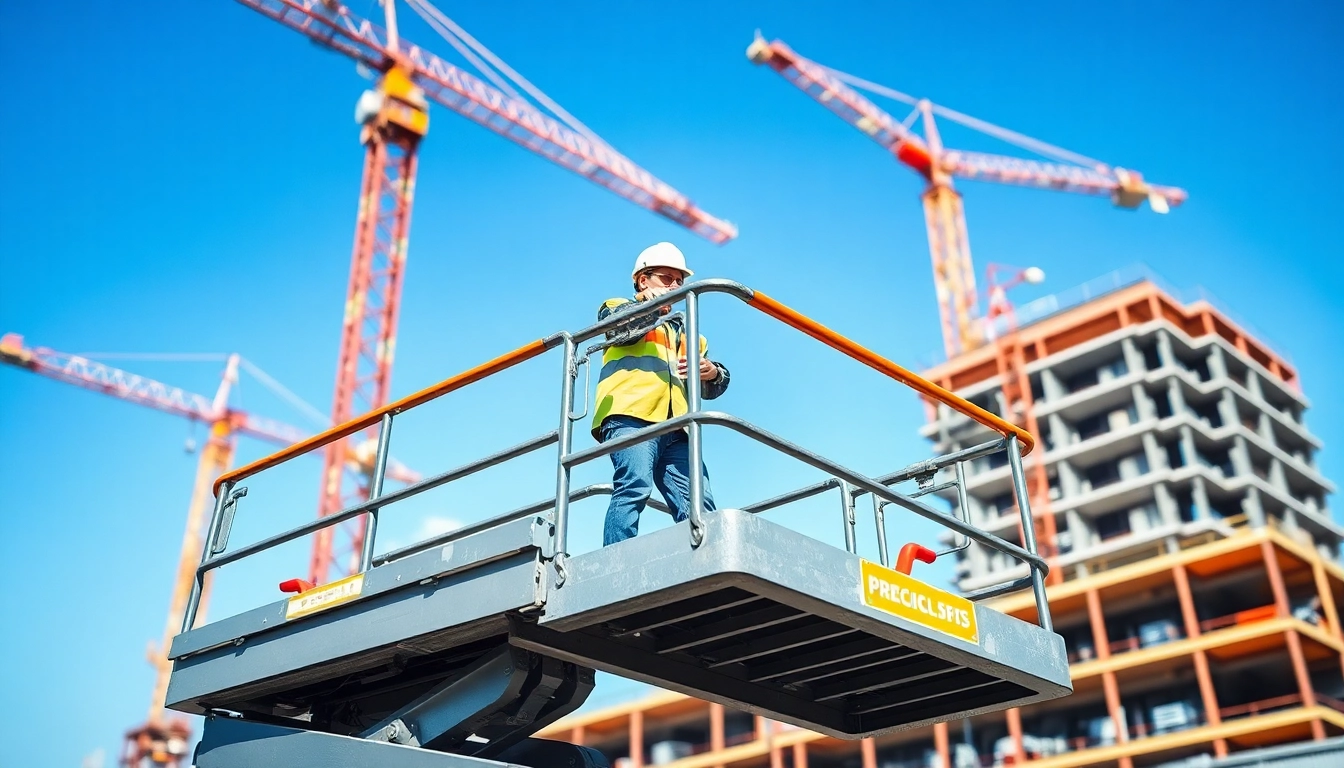
In the world of construction, maintenance, and high-rise operations, understanding the various types of Manlift is crucial for selecting the right equipment for your project. Manlifts, also known as aerial work platforms, come in various forms, each designed for specific tasks and environments. From electric to hydraulic models, understanding their unique features is essential for optimizing both safety and efficiency in your operations.
Key Features of Manlifts
Manlifts are equipped with features tailored to enhance performance and safety. Key features include:
- Height Range: Most manlifts can reach heights between 20 and 60 feet, depending on the model.
- Mobility: Electric models are often more mobile and suitable for indoor use, while diesel models are better suited for outdoor terrain.
- Load Capacity: Varies by model and typically ranges from 300 to 1,000 pounds, accommodating different crew sizes and tools.
- Platform Size: Larger platforms offer more space for workers and tools, enhancing productivity.
Best Use Cases for Manlift
Manlifts are versatile tools used in various industries. Common applications include:
- Construction: For framing, roofing, and high-rise building projects.
- Maintenance: Ideal for cleaning windows and performing repairs on multi-story buildings.
- Event Setup: Used in setting up lighting and other equipment for events held in large venues.
- Manufacturing: Provides access to elevated machinery for inspection or repair.
Safety Regulations and Standards
When working with manlifts, adhering to safety regulations is paramount. OSHA (Occupational Safety and Health Administration) guidelines dictate the safety standards for equipment use, including operator training and maintenance checks. Compliance with these regulations reduces the risk of accidents and ensures a safer work environment.
Choosing the Right Manlift
Choosing the appropriate manlift involves careful consideration of various factors. Understanding your project specifics will play a vital role in making the right selection.
Factors to Consider When Renting Manlift
When renting a manlift, consider the following:
- Project Specifications: Determine the height, load requirements, and nature of the project.
- Duration: Assess how long you will need the equipment to avoid unnecessary rental costs.
- Location: Consider the ground conditions and space limitations at your job site.
- Accessibility: Ensure the manlift can fit through doors or narrow pathways if used indoors.
Cost Analysis of Manlift Rentals
The cost of renting a manlift can vary widely based on several factors, including type, rental duration, and local market rates. Generally, expect to pay a daily or weekly rate, which may include delivery and maintenance. It's vital to conduct a thorough cost analysis and compare it with the potential productivity gains to justify the investment.
Comparing Manlift Specifications
Once you've identified your needs, compare manlift specifications across different models. Focus on:
- Operational Range: Maximum reaching height and extension capabilities.
- Weight Capacity: Ensure it meets the requirements for both personnel and equipment.
- Stability Features: Look for models with outriggers or other stability-enhancing designs.
- Power Source: Decide between electric, diesel, or hybrid models based on your operational needs.
Operating a Manlift Safely
Operating a manlift requires a focus on safety to prevent accidents and ensure a productive work environment. Proper training and adherence to safety protocols are vital for successful operations.
Essential Safety Gear for Manlift Operation
Each operator and crew member should wear the necessary personal protective equipment (PPE), including:
- Hard hats
- Safety glasses
- High-visibility clothing
- Safety harnesses (if required)
Pre-Operation Safety Checks
Before operating a manlift, conduct a thorough pre-operation safety check. This involves inspecting crucial components, including:
- Hydraulic systems for leaks or damages
- Battery levels or fuel levels
- Control systems for functionality
- Outriggers for stability
Emergency Procedures When Using Manlift
Having an emergency plan in place is crucial for an effective response. Ensure all personnel are familiar with:
- Emergency shut-off procedures
- Evacuation routes and strategies
- Contact information for emergency services
- Communication protocols to report incidents
Common Challenges with Manlifts
While manlifts offer substantial benefits, operators may encounter challenges that need addressing to maintain efficiency and safety.
Dealing with Weather Impacts
Weather can greatly influence the operation of a manlift. High winds, rain, or snow can make it dangerous to operate. Always monitor weather forecasts and have plans in place to secure or shut down operations during adverse conditions.
Ensuring Site Accessibility for Manlift
Site accessibility plays a crucial role in the effectiveness of manlift operations. Ensure pathways are clear, and check for any restrictions or obstacles that may hinder mobility. Sometimes, temporary ramps or pathways might be required to navigate challenging terrain.
Addressing Equipment Malfunctions
Regular maintenance can reduce the likelihood of equipment malfunctions. However, in the event of an issue:
- Immediately notify the rental provider or maintenance team.
- Follow best practices for safety and evacuation if required.
- Document the malfunction for future reference and analysis.
FAQs about Manlift Rentals
What is a manlift used for?
A manlift is used to lift personnel and materials to elevated areas for tasks such as maintenance, construction, and repair activities.
How do I choose the right manlift?
Choose a manlift based on your project height requirements, weight capacity, site conditions, and desired mobility.
What are the height limits for manlifts?
Most manlifts can reach heights between 20 to 60 feet, depending on the specific model you choose for your operations.
Are there safety certifications for manlift operators?
Yes, manlift operators typically need to be certified through an accredited training program to ensure safety and compliance with regulations.
How can I ensure proper maintenance of manlifts?
Regular inspections and servicing as per manufacturer guidelines will help in maintaining manlifts and ensuring safety and functionality.