Understanding CNC Machining of Stainless Steel Parts
CNC machining has emerged as a leading process for creating stainless steel parts, helping industries around the world achieve unparalleled precision and quality. As a crucial technique in modern manufacturing, cnc machined stainless steel parts offer solutions that address the specific needs of businesses across various sectors. With Honscn’s extensive experience since 2003, we provide advanced CNC machining services that focus on sourcing the highest quality stainless steel grades. This ensures parts that boast exceptional corrosion resistance, high tensile strength, and remarkable durability.
What Are CNC Machined Stainless Steel Parts?
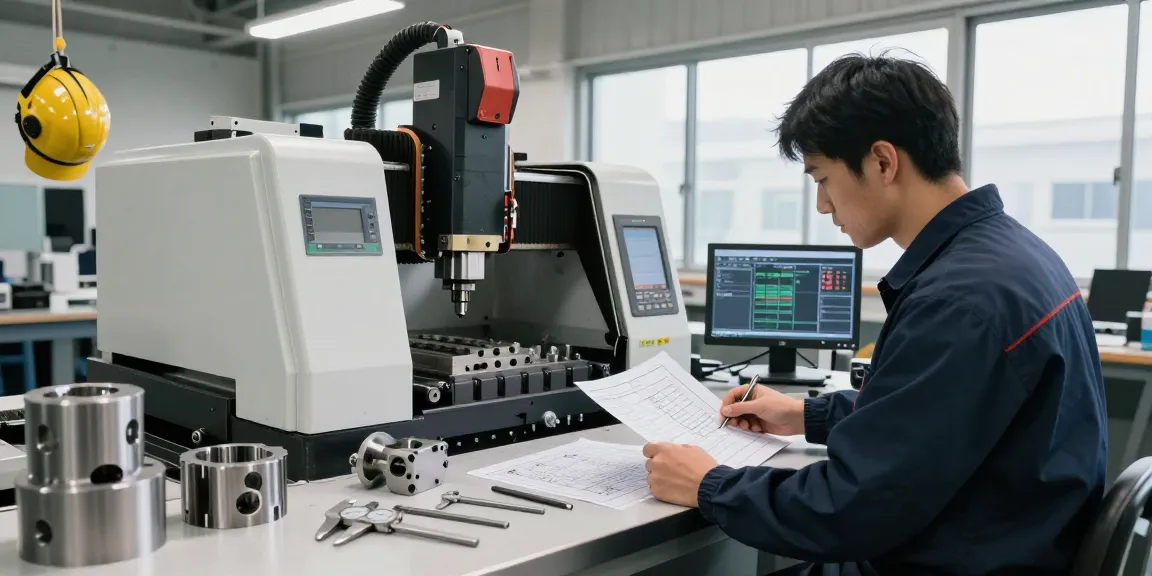
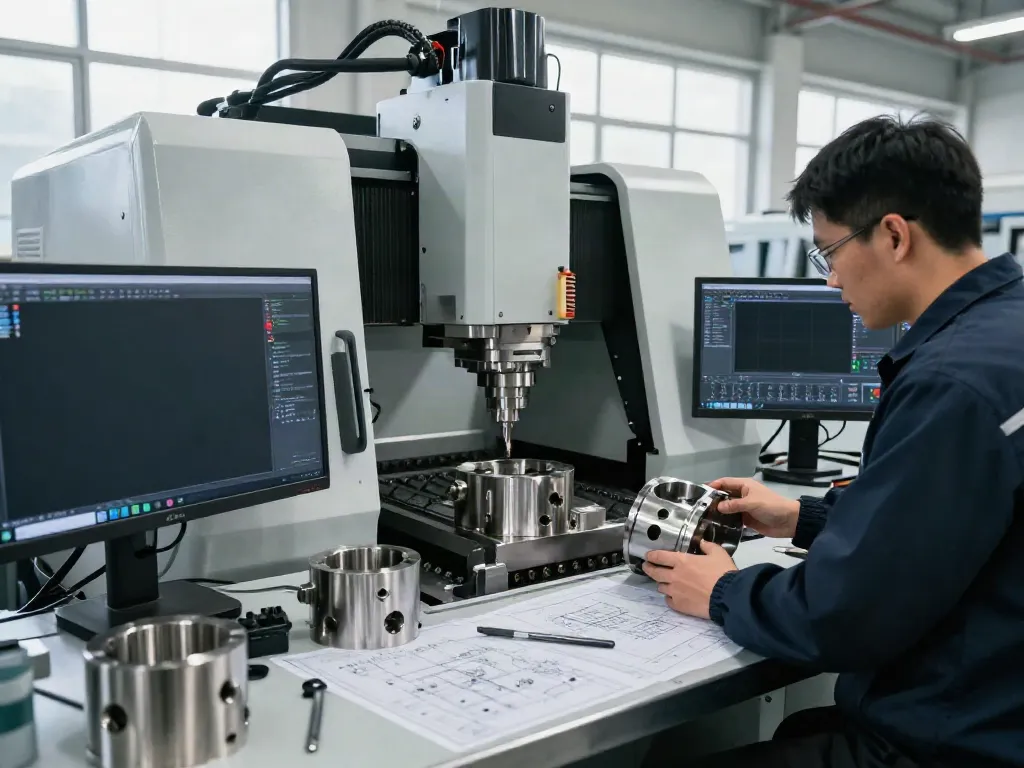
CNC machined stainless steel parts are components precisely manufactured through CNC (Computer Numerical Control) machining processes. These parts are created using advanced machinery programmed to cut, shape, and assemble stainless steel materials into desired specifications. The CNC process allows for intricate designs and shapes that traditional machining methods may struggle to replicate, making it an ideal choice for industries demanding high-quality components.
The Importance of Material Selection in CNC Machining
In the realm of CNC machining, the choice of material plays a pivotal role in determining the performance and longevity of the final product. Stainless steel, particularly top-grade varieties like 304 and 316, are favored for their excellent mechanical properties and resistance to corrosion. This makes them exceptionally suitable for applications in challenging environments such as those found in medical device manufacturing, food processing, and chemical engineering. Moreover, understanding the specific requirements for each application can guide the selection of an ideal stainless steel grade, ensuring optimal performance and durability.
Common Applications Across Industries
CNC machined stainless steel parts find their way into a variety of industries, showcasing their versatility and reliability. Common applications include:
- Medical Devices: Used in surgical instruments and implants where biocompatibility and sterility are crucial.
- Food Processing: Essential for hygienic equipment that can withstand rigorous cleaning and sanitization processes.
- Chemical Engineering: Parts designed to endure exposure to highly corrosive substances while maintaining structural integrity.
Precision Engineering and Advanced Techniques
Utilizing CAD/CAM Software for Design Excellence
Computer-Aided Design (CAD) and Computer-Aided Manufacturing (CAM) software play integral roles in the CNC machining process. CAD software allows engineers and designers to create detailed 3D models of components, which can then be translated into machine-readable formats for CNC machinery. This precision in design eliminates potential errors associated with manual drafting and facilitates rapid prototyping. Additionally, CAM software enhances the overall efficiency of production by optimizing machining processes, tool paths, and minimizing waste.
Techniques for Achieving Tight Tolerances
One of the essential aspects of CNC machining is the ability to achieve tight tolerances. Tolerance refers to the permissible limit or limits of variation in a physical dimension, and tight tolerances are often critical in sectors such as aerospace and medical device manufacturing. Techniques such as multi-axis machining, fine-tuning of tool paths, and precision tooling are employed to ensure that final products meet or exceed specified tolerances. Furthermore, implementing a strict quality control program throughout the machining process is vital for maintaining these standards.
The Role of Quality Control in CNC Machining
Quality control is the backbone of CNC machining, ensuring that every part produced adheres to rigorous standards. From material inspection at the initial stage to final product testing, a comprehensive quality control strategy encompasses every step. Techniques such as Statistical Process Control (SPC), and regular calibration of machinery, help in monitoring production processes and identifying potential issues before they escalate. Ensuring high-quality standards not only enhances customer satisfaction but also fosters trust and reliability in the manufacturing process.
Industry Applications: Where CNC Machined Parts Shine
Medical Applications for Surgical Instruments
In the medical field, the demand for precision-engineered components is paramount. CNC machined stainless steel parts are integral to the manufacture of surgical instruments and implantable devices. These components must meet stringent regulatory standards to ensure they perform reliably in critical situations. The biocompatibility and corrosion resistance of stainless steel make it the material of choice, as it minimizes the risk of infection and ensures longevity in medical applications.
Food Processing Equipment Standards
The food processing industry mandates high hygiene and safety standards. Stainless steel parts produced through CNC machining help manufacturers meet these standards effectively. Parts such as conveyor systems, valves, and fittings benefit from the rust-resistant properties of stainless steel, allowing for safer, longer-lasting equipment that can endure frequent cleaning and exposure to various agents.
Chemical Engineering and Corrosion Resistance
CNC machined stainless steel parts are crucial in chemical engineering, where components often face harsh, corrosive environments. Stainless steel's ability to withstand aggressive chemicals without degrading makes it an ideal choice for manufacturing reactors, pipe fittings, and storage tanks. Such durability ensures that equipment maintains performance over time and minimizes the need for frequent replacements, ultimately reducing operational costs.
Custom Solutions and Services at Honscn
Tailored Design Services for Unique Specifications
At Honscn, we pride ourselves on our ability to provide tailored design solutions that cater to the unique specifications of our clients. Each project begins with a detailed consultation to understand the specific requirements, challenges, and goals. Our team of experienced engineers collaborates closely with clients to develop designs that not only meet but exceed expectations.
On-Time Delivery and Project Management Strategies
In today's fast-paced manufacturing environment, timely delivery is crucial for maintaining workflow and efficiency. Honscn employs rigorous project management strategies to ensure that timelines are met without compromising on quality. Our ability to streamline processes and closely monitor production stages facilitates a reliable on-time delivery service, fostering stronger partnerships with clients.
Expert Consultation and Design Support
Understanding the complexities of CNC machining can be daunting for many clients. Honscn provides expert consultation and design support throughout the entire process, ensuring that clients are well-informed and confident in their decisions. Our team's wealth of knowledge in the field allows us to guide clients in selecting the right materials, techniques, and designs for optimal results.
Future Trends in CNC Machining for 2026 and Beyond
Emerging Technologies in CNC Machining
The landscape of CNC machining is rapidly evolving, thanks to advancements in technology. Innovations such as additive manufacturing, robotics integration, and artificial intelligence are set to redefine how components are produced. These technologies promise to enhance productivity, reduce costs, and improve customization options for clients across all industries.
Environmental Sustainability in Manufacturing
As awareness of environmental issues grows, the manufacturing sector is increasingly focusing on sustainability. CNC machining processes that minimize waste and energy consumption are becoming critical. Techniques such as recycling scrap materials and using energy-efficient machines are steps the industry is taking to promote environmental sustainability. Honscn is committed to adopting these practices, ensuring we contribute positively to the environment while providing high-quality products.
Predictions for Material Advancements and Innovations
As industries evolve, so do the materials used in manufacturing. Future trends indicate a rise in the utilization of advanced alloys and composites, which may offer even better properties than traditional stainless steel. Research and development efforts will likely lead to materials that enhance performance while also reducing weight and production costs, further driving innovation in CNC machining.
What Are the Benefits of CNC Machined Stainless Steel Parts?
The benefits of CNC machined stainless steel parts are significant and multifaceted. They include:
- Durability: High tensile strength and longevity under various environmental conditions.
- Corrosion Resistance: Essential for applications involving exposure to harsh chemicals or moist environments.
- Precision: Ability to produce complex geometries with exact tolerances.
- Customizability: Tailored solutions for diverse industry needs.
How to Choose a Reliable CNC Machining Partner?
Selecting the right CNC machining partner involves careful consideration of several factors:
- Experience: Look for partners with a proven track record in the industry.
- Quality Standards: Ensure they adhere to recognized quality standards and certifications.
- Capabilities: Assess their technological capabilities and whether they can meet your specific needs.
- Customer Reviews: Seek feedback from past clients to gauge their reliability and performance.
What Quality Standards Should You Expect?
When working with a CNC machining provider, it is essential to expect adherence to strict quality standards. Common certifications include ISO 9001 and AS9100 for aerospace, which guarantee processes and products meet industry regulations. Regular audits and quality inspections should also be part of their operations to maintain high standards in product delivery.
How Is CNC Machining Evolving in Different Industries?
As industries adapt to new challenges and technological advancements, CNC machining processes and applications are also evolving. Industries like aerospace are integrating more lightweight materials, necessitating changes in machining techniques. The medical industry continues to push for more biocompatible materials, while food processing adheres to stringent hygiene requirements, influencing material and design choices in CNC machining.
What Are the Cost Considerations in CNC Machining?
Cost considerations in CNC machining can vary based on several factors, including material selection, machining complexity, and production volume. While stainless steel parts are generally more expensive than alternatives, their durability and performance often justify the investment. It's essential to conduct a cost-benefit analysis to determine the long-term value of CNC machined parts, especially in critical applications.
How Do CNC Machined Parts Compare to Traditional Methods?
Compared to traditional machining methods, CNC machining offers superior precision, repeatability, and the ability to handle complex designs. While traditional methods may rely heavily on manual input, CNC technology automates the process, reducing the likelihood of human error. This transition not only improves the final product quality but also enhances overall efficiency in production workflows.