Understanding Containerized Wastewater Treatment Systems
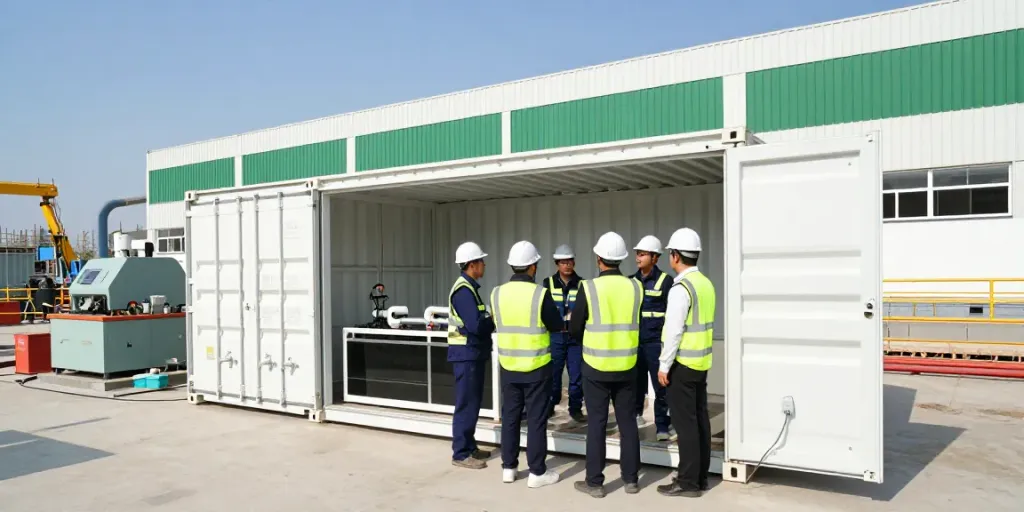
In a world where water scarcity and pollution are rising concerns, effective wastewater treatment has become paramount. Containerized wastewater treatment systems present a compelling solution that integrates efficiency, flexibility, and compliance within a compact design. These systems cater to various treatment challenges, from domestic sewage disposal to intricate industrial effluents. By utilizing pre-engineered solutions housed in standard shipping containers, these systems simplify the deployment process, significantly reducing installation time and cost. When exploring options, Wastewater Treatment System Manufacturers provide comprehensive insights into these innovative systems, enhancing understanding and implementation.
What are Wastewater Treatment Systems?
Wastewater treatment systems are engineered processes designed to remove contaminants from water before it is released back into the environment or reused. The methods can range from chemical and biological treatments to physical processes, depending on the source and nature of the wastewater. These systems are essential in protecting public health and the environment, as untreated wastewater can lead to severe ecological and health issues.
Core Components of Containerized Systems
Containerized wastewater treatment systems comprise several core components that work together seamlessly. These include:
- Inlet Works: Where influent enters the system and initial screenings occur.
- Biological Treatment Unit: Often using aerobic or anaerobic processes to break down organic matter.
- Clarification Unit: A phase where suspended solids settle, and treated water is separated.
- Disinfection: A critical final step ensuring pathogenic bacteria are neutralized before discharge.
- Control Systems: Automated technologies that monitor and regulate the treatment processes.
Benefits of Pre-Engineered Solutions
Pre-engineered containerized solutions offer numerous advantages. They are designed for quick setup, usually ready for operation within a couple of days. Additionally, their modular design allows for easy scalability and adaptability to various treatment needs, making them ideal for temporary sites like construction areas or remote communities. These systems also come equipped with technology that minimizes energy use and maximizes efficiency, aligning with sustainability goals.
Key Advantages of Containerized Systems
Rapid Deployment and Flexibility
One of the most significant benefits of containerized wastewater treatment systems is their rapid deployment. These units can be transported using standard flatbed trucks and are typically set up within one to two days at the site. This swift installation is crucial in emergency situations or for businesses needing immediate solutions. Additionally, the modular nature allows them to be relocated easily as needed, providing unparalleled operational flexibility.
Compliance with Environmental Standards
Containerized wastewater treatment systems are designed to meet stringent environmental regulations. These systems utilize advanced treatment technologies that ensure discharged effluent meets local and federal guidelines, thus protecting ecosystems and public health. Compliance not only avoids potential fines but also enhances the reputation of businesses using these systems, aligning operational practices with social responsibility.
Cost-Effectiveness and Efficiency
Investing in containerized treatments can be cost-effective in multiple ways. The pre-engineered nature reduces initial setup costs and labor hours. Furthermore, operational savings can be realized through efficient energy use and minimal water loss. By making processes more efficient, businesses can allocate resources elsewhere, enhancing overall productivity.
Design Considerations for Wastewater Treatment
Choosing the Right Modular Configuration
When selecting a containerized wastewater treatment solution, it's essential to consider the specific needs of the facility or operation. Factors such as the volume of wastewater, the composition of the effluent, and the desired treatment level must be evaluated to choose the appropriate modular configuration. Consulting with experienced manufacturers can provide tailored solutions that meet unique requirements.
Integration of Technology and Sustainability
Modern wastewater treatment systems are embracing technology to enhance performance. Features like real-time monitoring, automated controls, and remote management capabilities are becoming standard. Additionally, integrating sustainable practices, such as using renewable energy or minimizing chemical inputs, can significantly reduce environmental footprints and operating costs.
Safety and Operational Features
Safety is a top priority in wastewater management. Containerized systems are designed with operational safety in mind, incorporating features such as secure access, emergency shut-off systems, and real-time monitoring for hazardous conditions. Ensuring these systems are equipped with the necessary safety features helps mitigate risks associated with wastewater treatment.
Industry Applications and Case Studies
Domestic vs. Industrial Wastewater Challenges
Domestic wastewater treatment typically involves managing sewage from households, which has relatively consistent characteristics. In contrast, industrial wastewater presents diverse challenges based on the industry, including varying chemical compositions and higher pollutant loads. Understanding these differences is crucial for selecting an appropriate treatment system.
Real-World Examples of Successful Implementations
Across various sectors, containerized wastewater treatment systems have proven effective. For instance, a mining operation in Brazil utilized these systems to treat high volumes of wastewater efficiently, ensuring compliance with local regulations while minimizing operational downtime. Similarly, a construction site's temporary setup in California demonstrated how effectively containerized systems could offer immediate, compliant treatment solutions.
Lessons Learned from Different Sectors
Implementing containerized systems can yield valuable insights. For instance, industries must understand the local regulatory environments before installation. Additionally, engaging with experienced manufacturers can provide support in navigating challenges associated with varying wastewater types. Adapting to ongoing feedback helps refine and improve system performance over time.
The Future of Wastewater Treatment Technologies
Trends Shaping the Industry in 2026
The wastewater treatment industry is evolving rapidly, with several trends set to shape its future. Innovations in technology, such as artificial intelligence and machine learning, are enhancing monitoring and predictive maintenance capabilities. Moreover, the trend towards decentralization is leading to more localized and modular solutions that are easier to deploy and manage.
Innovative Approaches to Water Management
Resource recovery is becoming a focal point in wastewater treatment, as industries seek to extract valuable by-products like biogas and fertilizers from effluent. This not only reduces waste but also adds a revenue stream to wastewater management practices. Further, the incorporation of smart sensor technologies is poised to make wastewater treatment more efficient and effective.
Predictions for Regulatory Changes and Environmental Impact
As environmental concerns mount, regulatory frameworks around wastewater treatment are likely to tighten, demanding more innovative and compliant systems. Companies must prepare for these changes by investing in advanced technologies that not only meet current regulations but are also adaptable to future requirements. Proactive adaptation can substantially reduce potential risks and enhance operational sustainability.
What are the top 10 largest wastewater treatment plants in the USA?
The largest wastewater treatment plants in the USA, including facilities in Los Angeles and New York City, serve millions of people and illustrate the scale and importance of effective wastewater management across urban environments.
Who are the largest water treatment companies?
Major water treatment companies, such as Veolia, Xylem, and SUEZ, lead the industry in innovation and efficiency, setting standards that influence global practices.
What are some popular brands of wastewater pumps?
Brands like Grundfos, Flygt, and Gorman-Rupp are well-known for their reliable wastewater pump solutions, essential for the functionality of wastewater treatment systems.
What is the best sewage treatment system?
The best sewage treatment system depends on specific needs, including location, volume, and type of wastewater. Modular, containerized systems have gained popularity for their adaptability and efficiency.
How do containerized wastewater treatment systems work?
Containerized systems work by channeling wastewater through various treatment stages, using biological, chemical, and physical processes to remove contaminants before discharging or reusing the treated water.